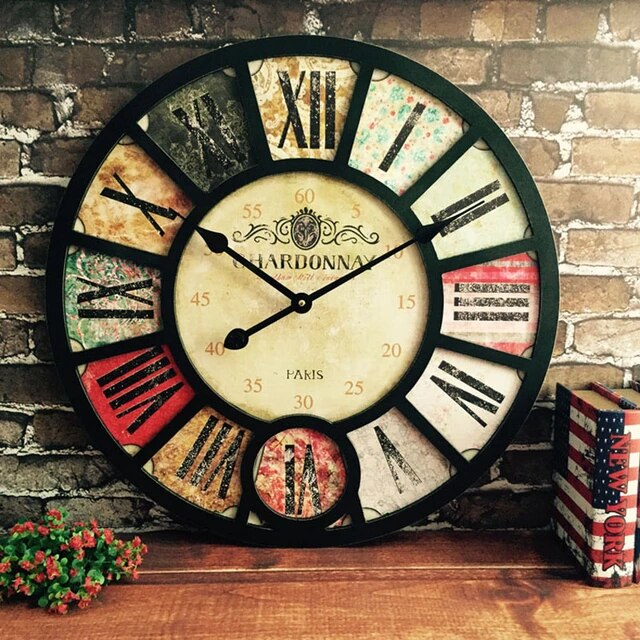

How to clean your clock without damaging it: Complete guide to professional techniques
Do you own a beautiful clock that has proudly sat in your living room for years? Honestly, I was like you: I didn't dare get too close with a cloth, for fear of breaking everything. And yet, cleaning your clock without damaging it is not so complicated when you know the right techniques!
After restoring several comtoise clocks inherited from my grandmother, I can tell you that regular clock maintenance makes all the difference. A well-maintained clock can run for decades, even centuries. But be careful: a mishandling and disaster is guaranteed.
Summary
- The different types of clocks and their specifics
- Essential products and tools for safe cleaning
- Preparation: crucial steps before cleaning
- Cleaning techniques according to materials
- How to clean the mechanism without damaging it
- Fatal mistakes to absolutely avoid
- Preventive maintenance: extending lifespan
- Frequently Asked Questions
The different types of clocks and their specifics
Honestly, who has never thought that a clock is just a clock? Big mistake! Each type requires a particular approach to cleaning your clock without damaging it.
The classic wall clock
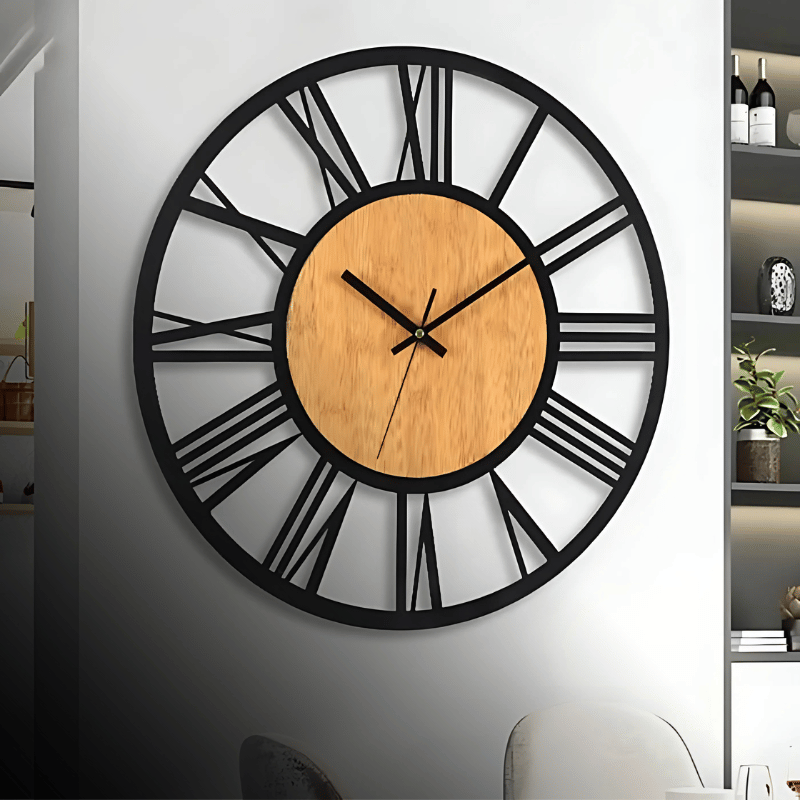
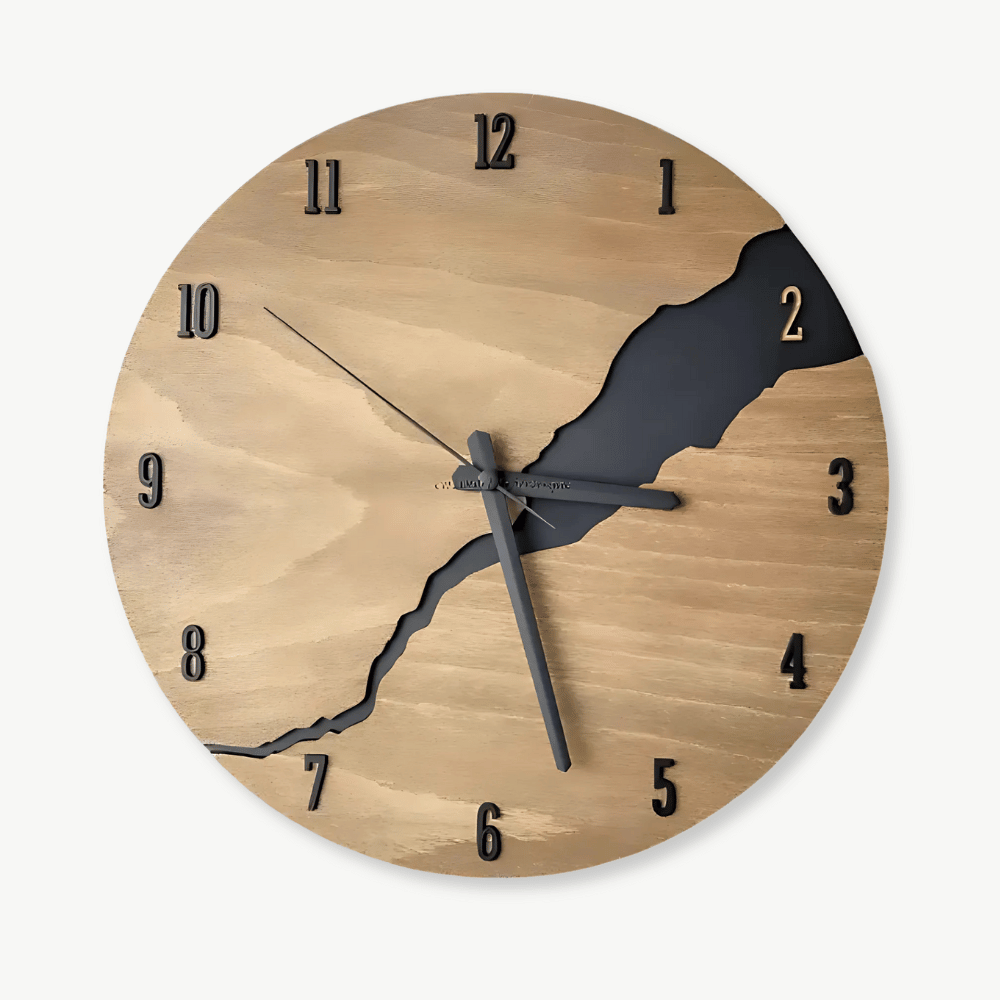
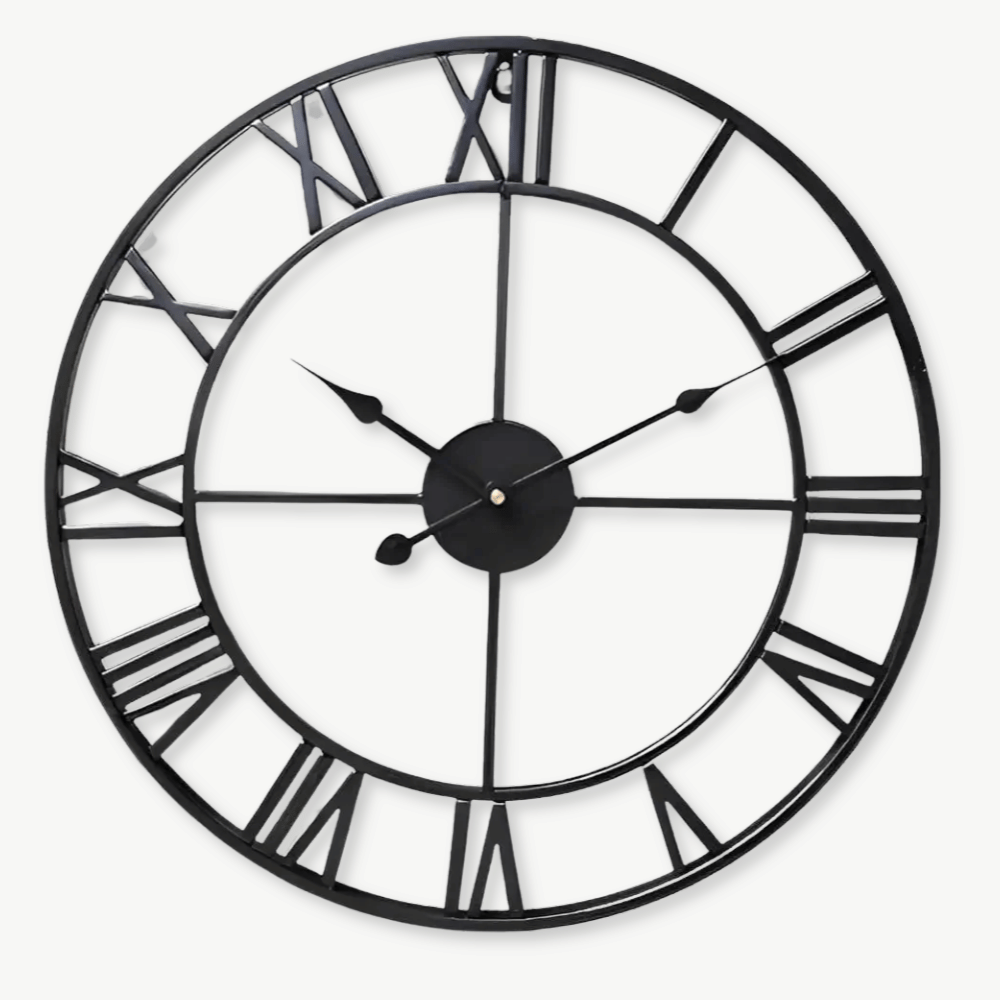
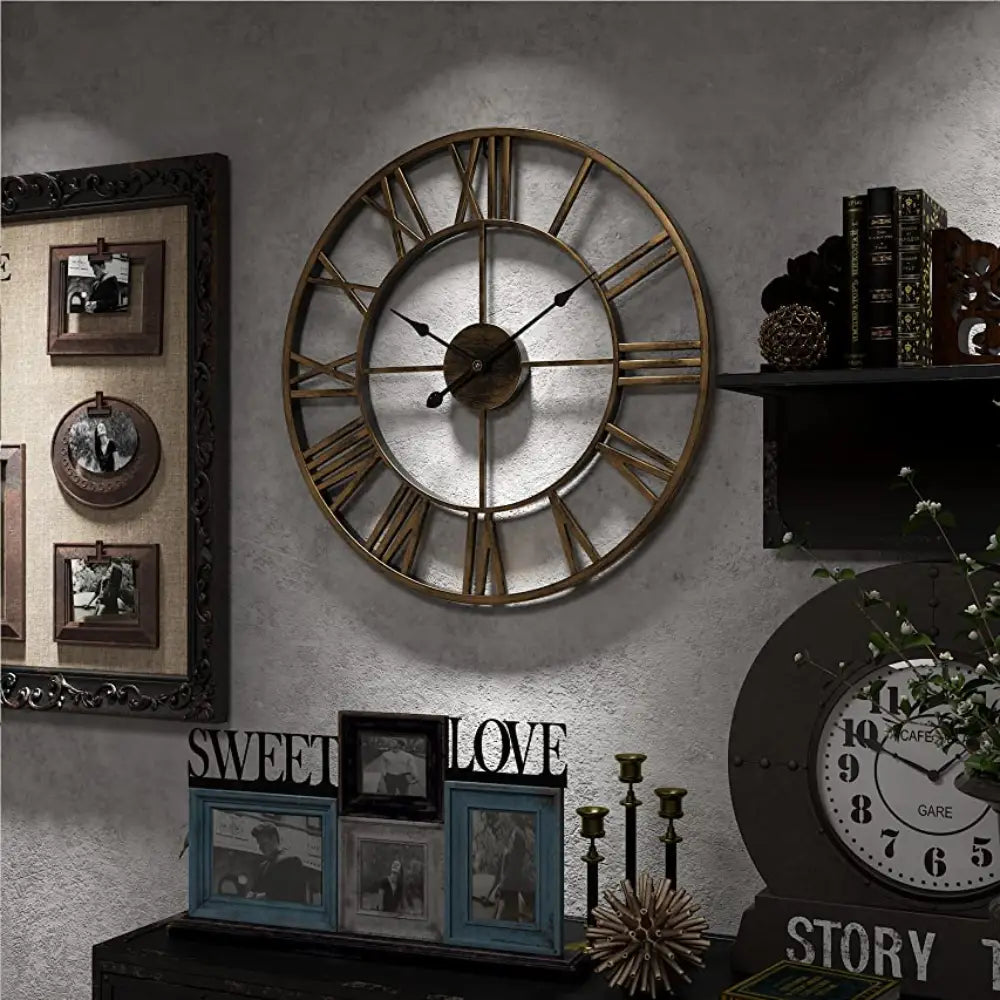
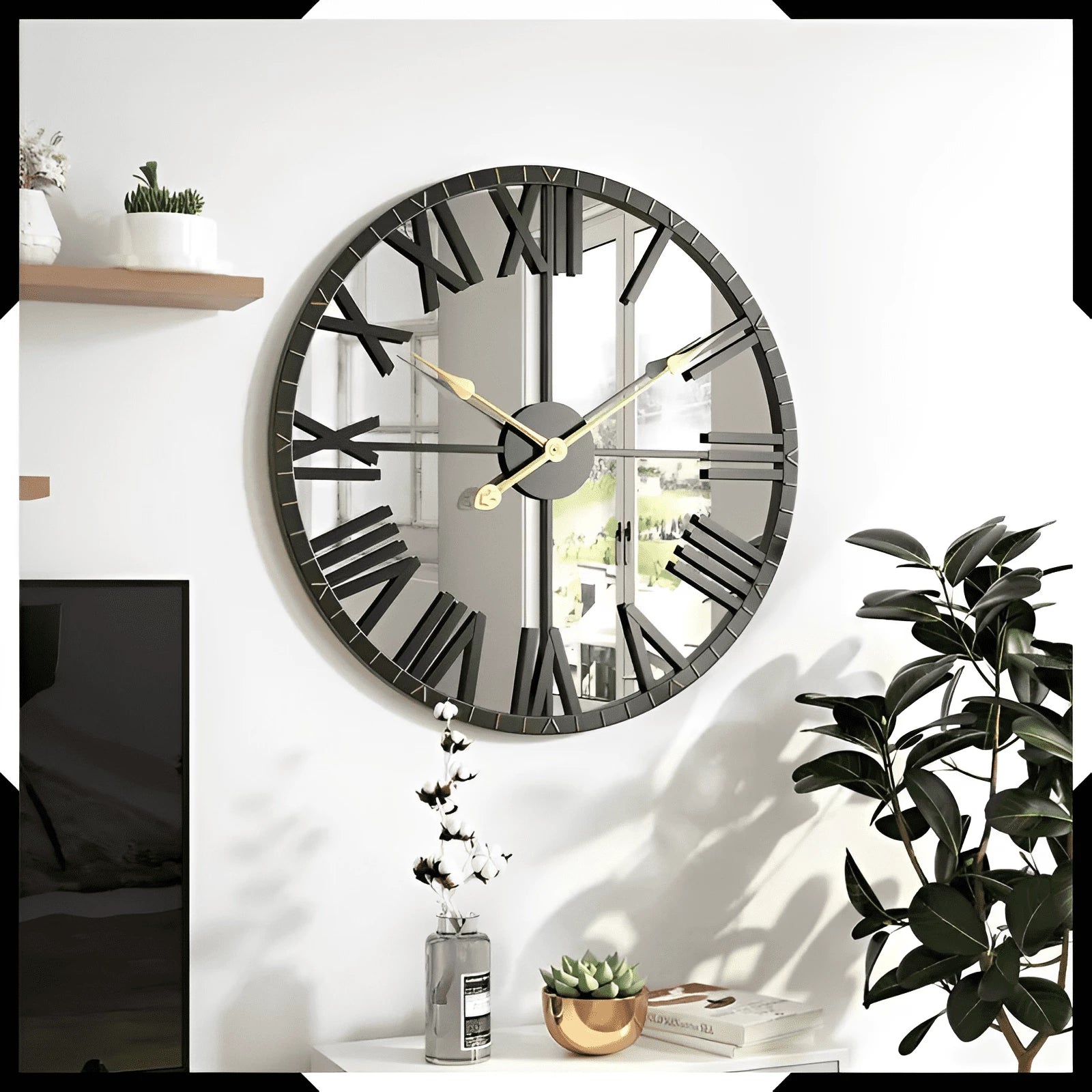
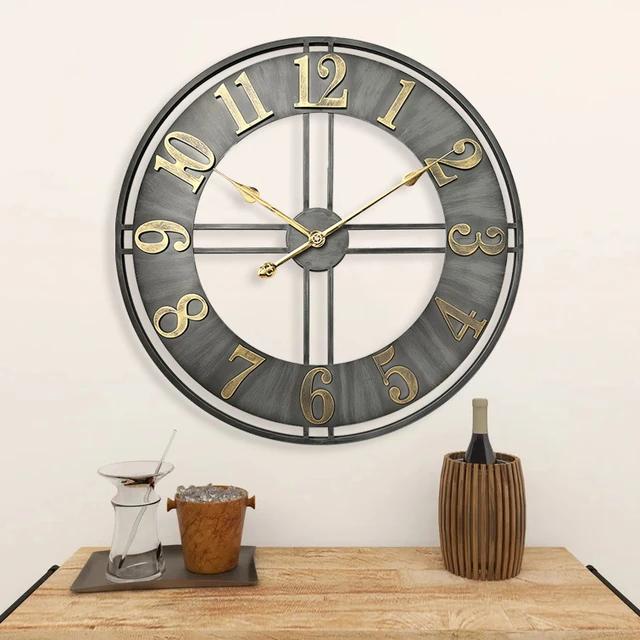
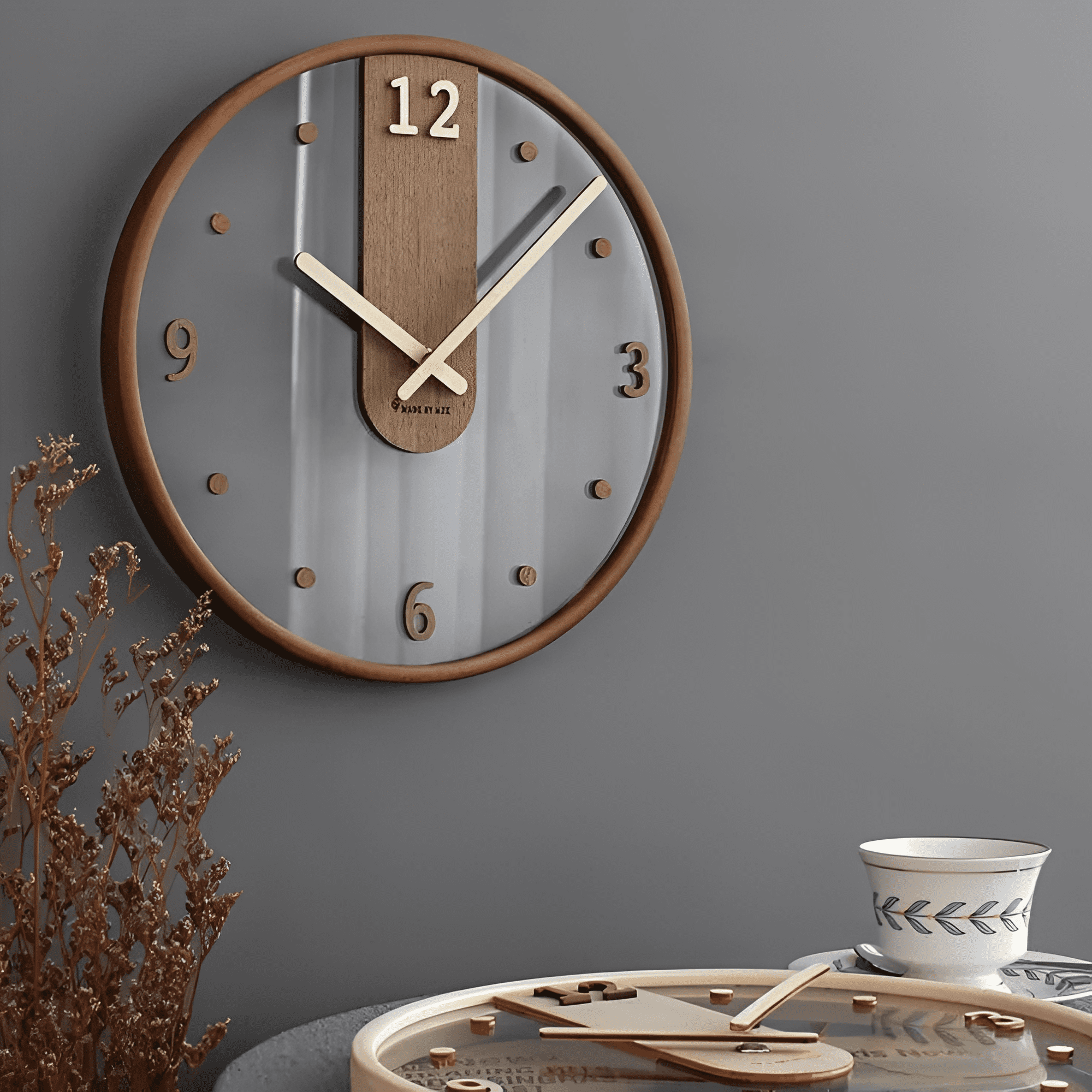
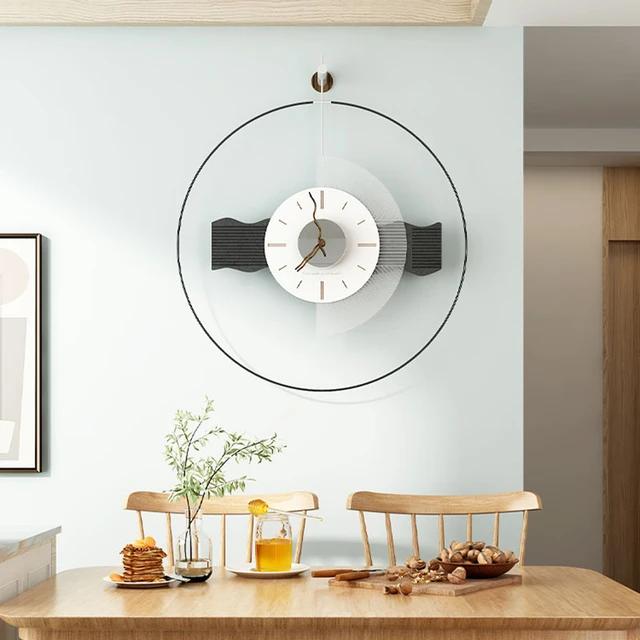
Wall clocks are the most common and fortunately the easiest to maintain. Their plastic or lightweight metal casing withstands most mild cleaning products well. The dial is generally protected by glass or clear plastic.
Points of attention:
- Fragile quartz mechanism
- Hands often removable
- Battery accessible from the back
The comtoise clock: a heritage to preserve
Ah, the famous comtoise clock! I spent hours restoring my family's one. These wonders of French craftsmanship require special care. Solid wood, often oak or cherry, ages differently depending on exposure to light and humidity.
Important specifics:
- Solid wood requiring specialized products
- Very delicate weight mechanism
- Visible pendulum requiring special attention
- Brass often patinated that should not be stripped
Antique and collectible clocks
For these exceptional pieces, clock maintenance is almost like goldsmithing. Patinated bronze, marquetry, gold leaf... every detail matters. In fact, I learned the hard way that a simple damp cloth can permanently tarnish an old gilding.
| Type of clock | Main materials | Difficulty level | Cleaning frequency |
|---|---|---|---|
| Wall clock | Plastic, lightweight metal, glass | Easy | Monthly |
| Classic clock | Wood, brass, bronze | Medium | Quarterly |
| Comtoise clock | Solid wood, brass, steel | Difficult | Semi-annual |
| Collection clock | Bronze, marquetry, gilding | Expert | Annual (professional) |
Essential products and tools for safe cleaning
Now, be careful! Not all products are created equal. After a few mistakes at the beginning (yes, I used Cillit Bang on brass... don’t judge me), I learned that you need to be very selective.
Essentials for cleaning your clock without damaging it
The microfiber cloth remains your best ally. Unlike regular cloths, it doesn’t snag and doesn’t scratch. I always have several: one dry for dusting, one slightly damp for cleaning.
List of safe products:
- Denatured alcohol: perfect for degreasing without leaving traces
- Diluted household vinegar: excellent for removing limescale stains
- Olive oil: nourishes the wood without harming it
- Mineral spirits: dissolves old grease
- Soft brush: for hard-to-reach corners
Natural products to prioritize
Honestly, natural products are often more effective than aggressive chemical products. Baking soda mixed with a little water forms a soft paste perfect for cleaning stubborn stains on glass.
For tarnished brass, nothing beats a mixture of lemon and fine salt. But be careful: always test on a hidden area first!
Preparation: crucial steps before cleaning
First and foremost, you need to prepare your workspace well. It’s like in cooking: a good setup prevents disasters!
Safely stop the mechanism
First golden rule: always stop the clock before cleaning. For a battery clock, remove the battery. For a weight-driven clock, gently stop the pendulum.
Preparation steps:
- Photograph the clock from all angles (believe me, it helps for reassembly!)
- Remove the removable elements: hands, pendulum, weights
- Protect the floor with newspapers or a cloth
- Prepare all tools within reach
Partial and secure disassembly
Honestly, I was skeptical at first about the usefulness of partially disassembling the clock. But what a time and efficiency saver! By removing the hands (when possible), you gain much better access to the dial.
For the hands, gently pull towards you while keeping them straight. If they resist, don’t insist: some are fitted and require a special tool.
Cleaning techniques according to materials
Each material has its little habits. After testing (sometimes at my expense) different techniques, here’s what really works.
Clean the wood without damaging it
Wood is delicate. Too much water and it swells, too much product and it stains. To clean your clock without damaging it when it is made of wood, patience is essential.
My proven technique:
- Dusting with a very soft dry cloth
- Light cleaning with a barely damp cloth
- Immediate drying with a dry cloth
- Feeding with a few drops of olive oil on a cloth
For stubborn stains, a bit of diluted household vinegar works wonders, but be careful with the dosage: 1 part vinegar to 10 parts water, no more!
Making brass and bronze shine
Ah, brass! This beautiful material that adorns so many antique clocks. But what a hassle when it tarnishes... I searched for the perfect technique for a long time.
Here is my method that gives stunning results:
- Gentle cleaning with mineral spirits on a cloth
- Rinsing with denatured alcohol
- Polishing with a dry microfiber cloth
- For stubborn stains: lemon paste + fine salt
Glass and transparent surfaces
For the dial glass, nothing seems simpler. Yet, I've seen so many scratches caused by bad cloths... Use exclusively microfiber and denatured alcohol. It leaves no trace and degreases perfectly.
| Material | Recommended product | Technical | To be absolutely avoided |
|---|---|---|---|
| Natural Wood | Olive oil, diluted vinegar | Gentle circular movements | Excess water, bleach |
| Brass/Bronze | Mineral spirits, lemon+salt | Progressive polishing | Strong acidic products |
| Glass | Denatured alcohol | Dry microfiber cloth | Newspaper, ammonia-based products |
| Painted metal | Neutral damp cloth | Light dabbing | Solvents, scraping |
How to clean the mechanism without damaging it
Now we're getting to the heart of the matter! The mechanism is the heart of your clock. One mistake and it's over. But don't panic: with the right techniques, it's entirely doable.
Cleaning the quartz movement
For modern battery clocks, it's quite simple. The mechanism is generally well protected in its plastic case. A simple dusting with a soft brush is usually sufficient.
Points of vigilance:
- Never wet the electronic circuit
- Check the waterproofing of the battery compartment
- Clean the contacts with a dry cotton swab
Maintenance of mechanical mechanisms
For pendulums and comtoise clocks, it's more delicate. The spring or weight mechanism requires particular expertise. Honestly, for a complete cleaning of the movement, I recommend calling a watchmaker.
But for regular maintenance, you can:
- Gently dust with a very soft brush
- Very lightly oil the visible pivots (a drop of watch oil)
- Check the condition of the chains and weights
The pendulum: fragile centerpiece
The pendulum of your comtoise clock is a bit like the heart of the system. It swings thousands of times a day, so imagine the dust accumulation! To clean it, gently stop it and use a slightly damp soft cloth.
Fatal mistakes to absolutely avoid
Come on, I'll confess my biggest blunders. This will save you from making the same ones!
Water: enemy number one
My first big mistake? Wanting to "properly clean" an antique clock with a damp sponge. Result: the wood warped and the gilding tarnished. Excess water is the absolute enemy of antique clocks.
Aggressive chemicals
Second memorable blunder: using a conventional detergent on brass. Not only did it not clean anything, but it created a dull film that was impossible to remove. Lesson learned: always test on a hidden area!
Products to be permanently banned:
- Bleach and chlorine products
- Conventional detergents
- Ammonia-based products
- All kinds of abrasives
- Powerful solvents (acetone, trichloroethylene)
Forcing stuck mechanisms
Third lesson learned the hard way: never, ever force a stuck mechanism! I broke an old clock hand trying to straighten it forcefully. Now, whenever a part resists, I stop and look for the cause.
Preventive maintenance: extending lifespan
Honestly, who wouldn't want their clock to work perfectly for decades? Preventive maintenance is key. It's like with a car: better safe than sorry!
Ideal cleaning rhythm
After years of experience, I have established my clock maintenance schedule:
- Weekly: quick dusting with a dry cloth
- Monthly: cleaning of the glass and case
- Quarterly: mechanism check and light lubrication
- Annual: complete cleaning and servicing by a professional
Optimal environmental conditions
The location of your clock greatly affects its longevity. Absolutely avoid:
- Direct sunlight exposure (fading of the dial)
- Proximity to a radiator (expansion of materials)
- Damp areas like the bathroom
- Dusty areas (clogging of the mechanism)
Warning signs to watch for
A well-maintained clock "talks" to you. Learn to detect the warning signs:
- Irregular ticking
- Jumping hands
- Frequent delay
- Background noise
- Unexpected stops
Frequently asked questions about clock cleaning
How often should you clean your clock?
To clean your clock without damaging it, the frequency depends on the type: monthly for a wall clock, quarterly for a classic clock, and semi-annually for a comtoise clock. The environment also plays a role: the more dust there is, the more often it needs to be cleaned.
Can conventional household products be used?
No, conventional household products are too harsh. Prefer natural products like diluted household vinegar, denatured alcohol, or olive oil to nourish the wood. These products clean effectively without risking damage to delicate materials.
How to clean an antique comtoise clock?
The comtoise clock requires special attention. Use a dry microfiber cloth to dust, then clean the wood with a cloth slightly dampened with water. For the brass, use mineral spirits. Avoid excess water that could swell the solid wood.
What to do if the mechanism is stuck?
If the mechanism resists, never insist! Stop the clock and consult a professional watchmaker. Forcing could break irreplaceable parts. A stuck mechanism often requires complete disassembly and specialized lubrication.
What tools to use for cleaning without scratching?
The essential tools are a microfiber cloth (which does not scratch), a soft brush for corners, and cotton swabs for details. Absolutely avoid rough cloths, abrasive sponges, or newspaper that can leave micro-scratches.
How to make tarnished brass shine?
To restore the shine to tarnished brass, prepare a paste with lemon and fine salt. Apply gently, let it sit for a few minutes, then rinse with denatured alcohol and polish with a microfiber cloth. Always test on a hidden area before applying to the entire surface.
Can you disassemble the hands of a clock yourself?
Some hands are removable and can be taken off by gently pulling towards you. But if they resist, do not force them! Some are pressed on or secured by special systems. Always photograph the initial position before any disassembly to make reassembly easier.
The clock stops after cleaning, what should I do?
If your clock stops after cleaning, first check that the hands are not touching and that they are properly repositioned. For a battery-operated clock, ensure that the contacts are clean. For a pendulum clock, make sure the pendulum swings freely and that the clock is perfectly upright.