
The Fascinating History of Wall Clocks: From Antiquity to Today
Frankly, who has never looked up at a wall clock wondering where this fascinating invention came from? As a history enthusiast and collector of antique clocks since my art history studies, I have always been captivated by the evolution of wall clocks. These silent guardians of time have a much richer history than one might imagine.
The history of wall clocks takes us on an extraordinary journey through civilizations, revealing how humanity has tamed time. From the first Egyptian sundials to today's connected clocks, each era has brought its revolutionary innovations.
Summary
- The Ancient Origins: First Steps Towards Time Measurement
- The Middle Ages: The Mechanical Revolution
- Renaissance and Age of Enlightenment: The Era of Precision
- Industrial Revolution: Democratization of the Wall Clock
- The Modern Era: Electricity and Innovation
- Contemporary Clocks: Design and Technology
- The Societal Impact of Wall Clocks
- Frequently Asked Questions
The Ancient Origins: First Steps Towards Time Measurement
The adventure begins over 6000 years ago. Honestly, I was skeptical when I discovered that the Egyptians were already using gnomons around 4000 B.C.! These first sundials were much more sophisticated than one might think.
Ancient civilizations developed several ingenious systems:
- Egyptian obelisks: true giant clocks whose shadow indicated the hour
- Greek sundials: the first portable timing instruments
- Clepsydras: water clocks that allowed time measurement even at night
- Sand clocks: ancestors of our modern hourglasses
The Innovation of the Gnomon
The gnomon, this simple rod planted vertically, revolutionized our relationship with time. The Babylonians perfected this system around 2000 B.C., creating the first true graduated dials. Who would have thought that a simple shadow could change the course of history?
| Era | Civilization | Innovation | Precision |
|---|---|---|---|
| 4000 B.C. | Egyptians | First gnomons | ± 1 hour |
| 2000 B.C. | Babylonians | Graduated dials | ± 30 minutes |
| 1500 B.C. | Egyptians | Wall clepsydras | ± 15 minutes |
| 300 B.C. | Greeks | Hemispherical dials | ± 10 minutes |
The Middle Ages: The Mechanical Revolution
The 13th century marks a decisive turning point in the history of wall clocks. The invention of the mechanical clock around 1280 changes everything. I was fortunate to visit several European cathedrals where these early mechanical wonders still function!
The Golden Age of Monastic Horology
Monks, true pioneers of ancient horology, developed the first weight-driven clocks. These revolutionary systems used gravity as a source of energy. The mechanism of the foliot, this primitive oscillating bar, represented the pinnacle of technology at that time.
The main features of these early mechanical wall clocks:
- Primitive escapement system regulating the fall of weights
- Dial without hands indicating only canonical hours
- Automatic chime for religious services
Renaissance and Age of Enlightenment: The Era of Precision
Ah, the 16th century! This period particularly fascinates me. The evolution of the wall clock experiences an extraordinary acceleration. The famous clockmakers of this time compete in ingenuity to create masterpieces of precision.
The Pendulum Revolution
In 1656, Christiaan Huygens revolutionizes horology by inventing the pendulum clock. Frankly, this innovation changes everything! Time precision goes from one hour per day to just a few minutes.
This invention radically transforms:
- Maritime navigation: precise determination of longitude
- Sciences: experiments requiring precise time measurement
- Society: synchronization of human activities
The Baroque Apex
The 17th and 18th centuries see the birth of the most beautiful wall clocks in history. The styles of Louis XIV, Regency, and then Louis XV transform these utilitarian instruments into true works of art. Marquetry artists, gilders, and bronzers compete in creativity.
Industrial Revolution: Democratization of the Wall Clock
The 19th century marks the entry of the wall clock into the industrial age. Honestly, this period completely transforms access to time! Mass production finally makes these wonders accessible to the middle classes.
The Victorian Era and its Innovations
The Victorian era brings its share of remarkable innovations. Train stations are equipped with monumental clocks, true symbols of modernity. I have always admired those imposing station clocks that marked the rhythm of travelers' lives.
| Year | Innovation | Impact | Inventor |
|---|---|---|---|
| 1840 | Improved spiral spring | Increased precision | A.L. Breguet |
| 1850 | Mechanized production | Democratization | American industry |
| 1880 | Synchronized clocks | Railway networks | Railway companies |
The Emergence of National Styles
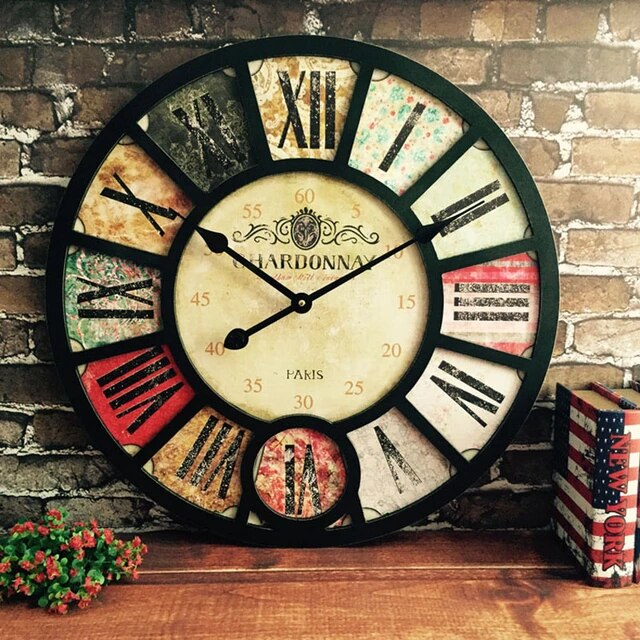
This period sees the birth of distinctive styles according to countries. The German Black Forest clocks, the French Empire clocks, the American Ogee clocks... Each nation develops its unique horological identity.
The Modern Era: Electricity and Innovation
The 20th century once again disrupts the history of wall clocks. The arrival of the electric clock in the 1920s revolutionizes everything! No more need for daily winding, accuracy reaches unparalleled levels.
The Roaring Twenties and Art Deco
The 1920s-1930s mark the peak of clock design. Art Deco transforms the wall clock into a true decorative object. These bold geometric creations still adorn many vintage interiors today.
Characteristics of the Art Deco clock style:
- Pure geometric lines and stylized shapes
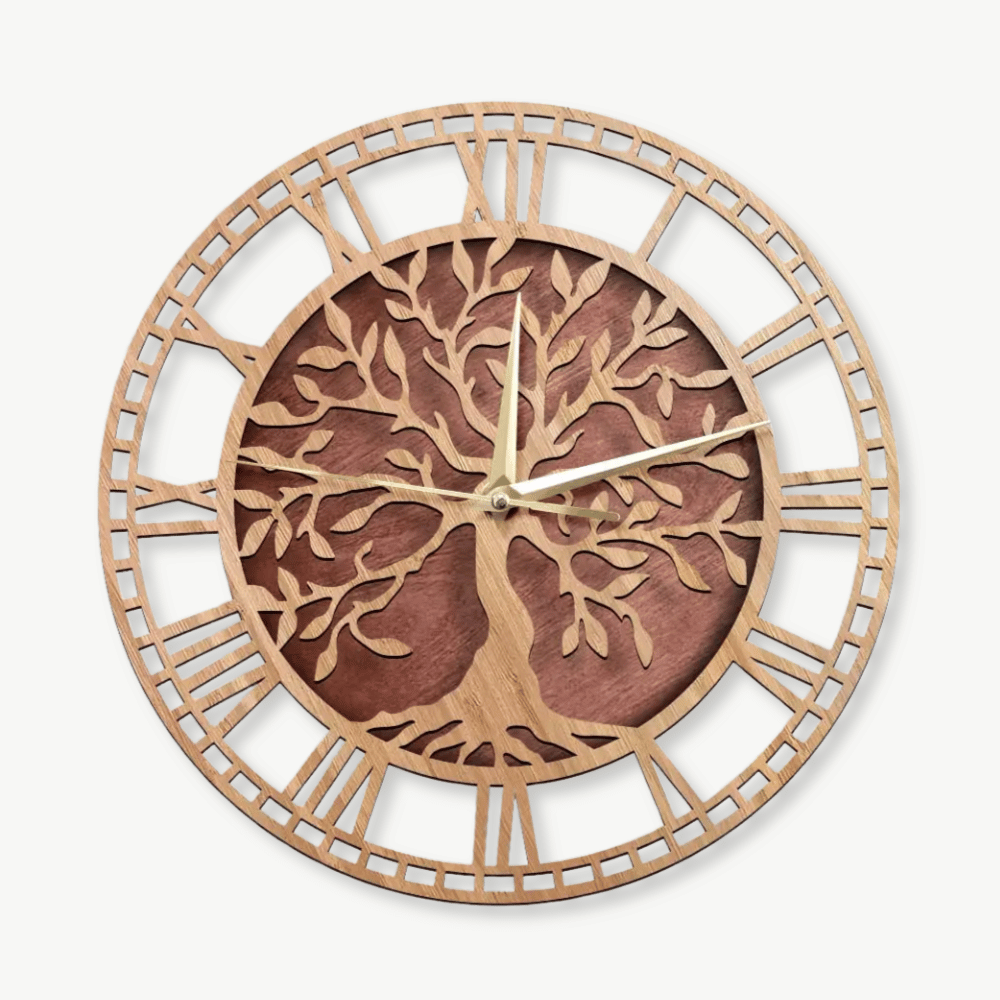
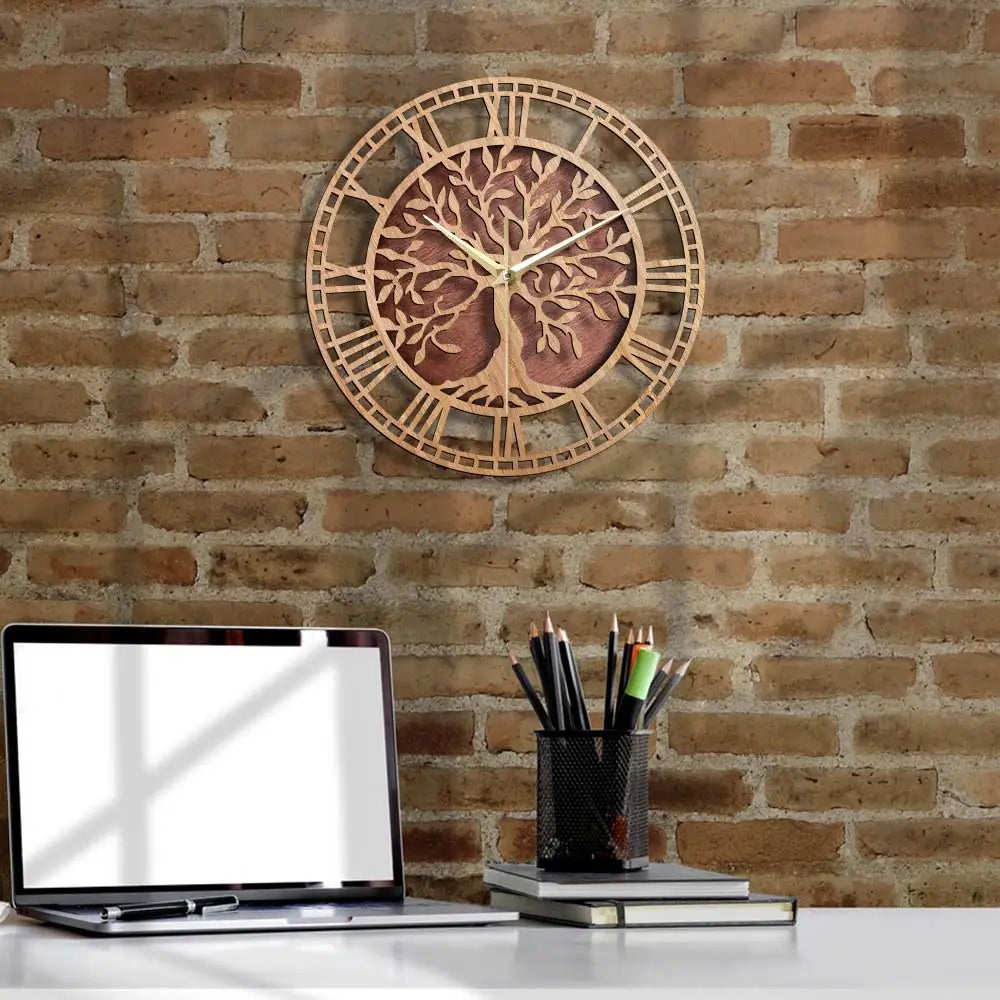
- Noble materials: lacquer, chrome, precious wood
- Innovative dials with modernist numbers
- Architectural integration in modern housing
The Post-War Era and Democratization
The Glorious Thirty sees the explosion of electric wall clock production. Every Western household now has its kitchen clock, its living room clock. This total democratization changes our daily relationship with time.
Contemporary Clocks: Design and Technology
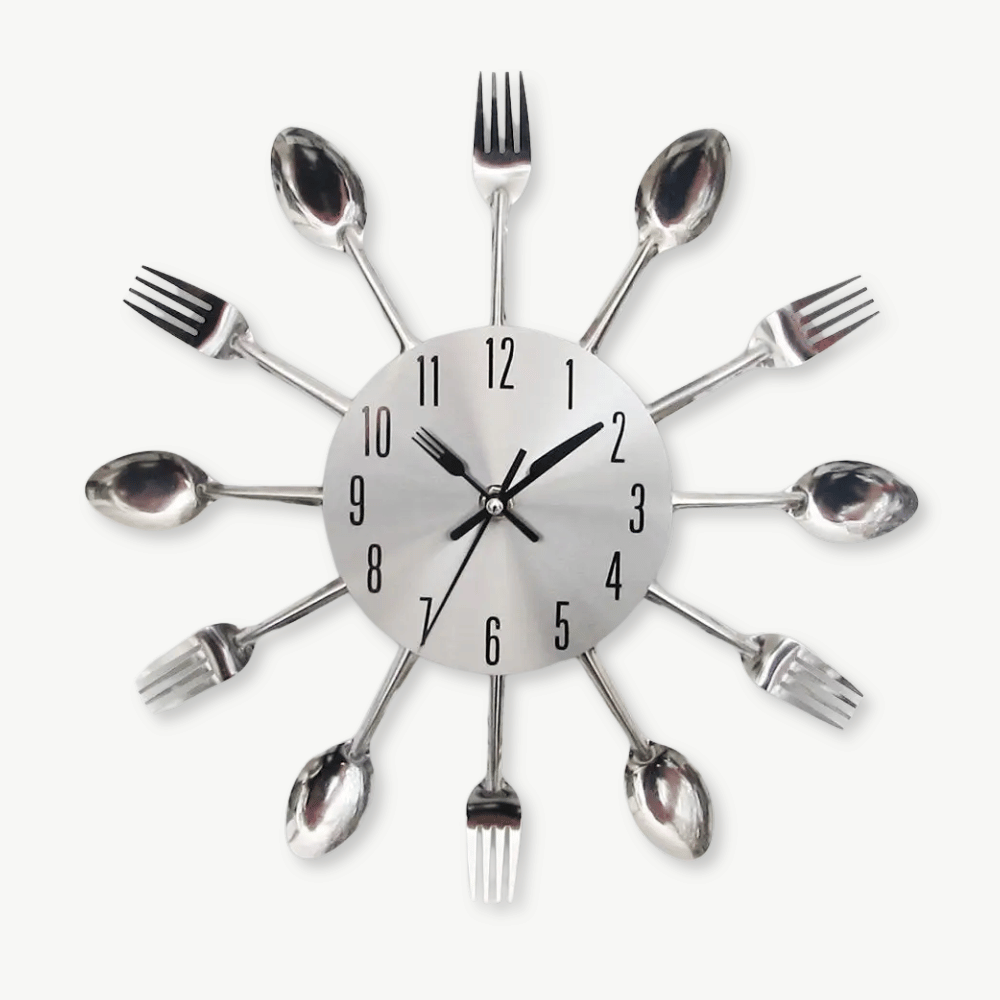
Today, the evolution of the wall clock continues to surprise us! Digital technologies, innovative materials, sleek designs... The modern wall clock combines aesthetics and functionality.
The Quartz Revolution
The 1970s mark the advent of quartz clocks. This revolutionary technology offers unmatched time accuracy at a negligible cost. Who would have imagined that a simple crystal could revolutionize watchmaking?
Contemporary Design and Minimalism
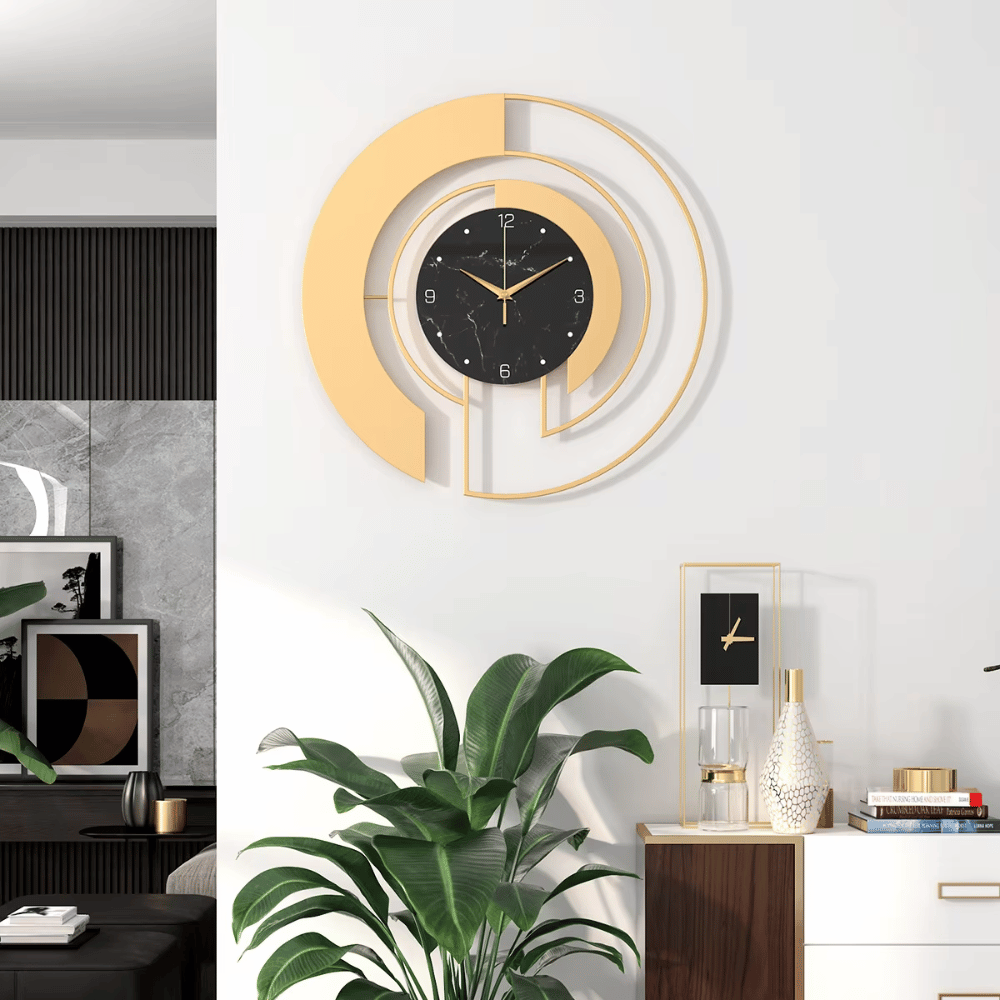
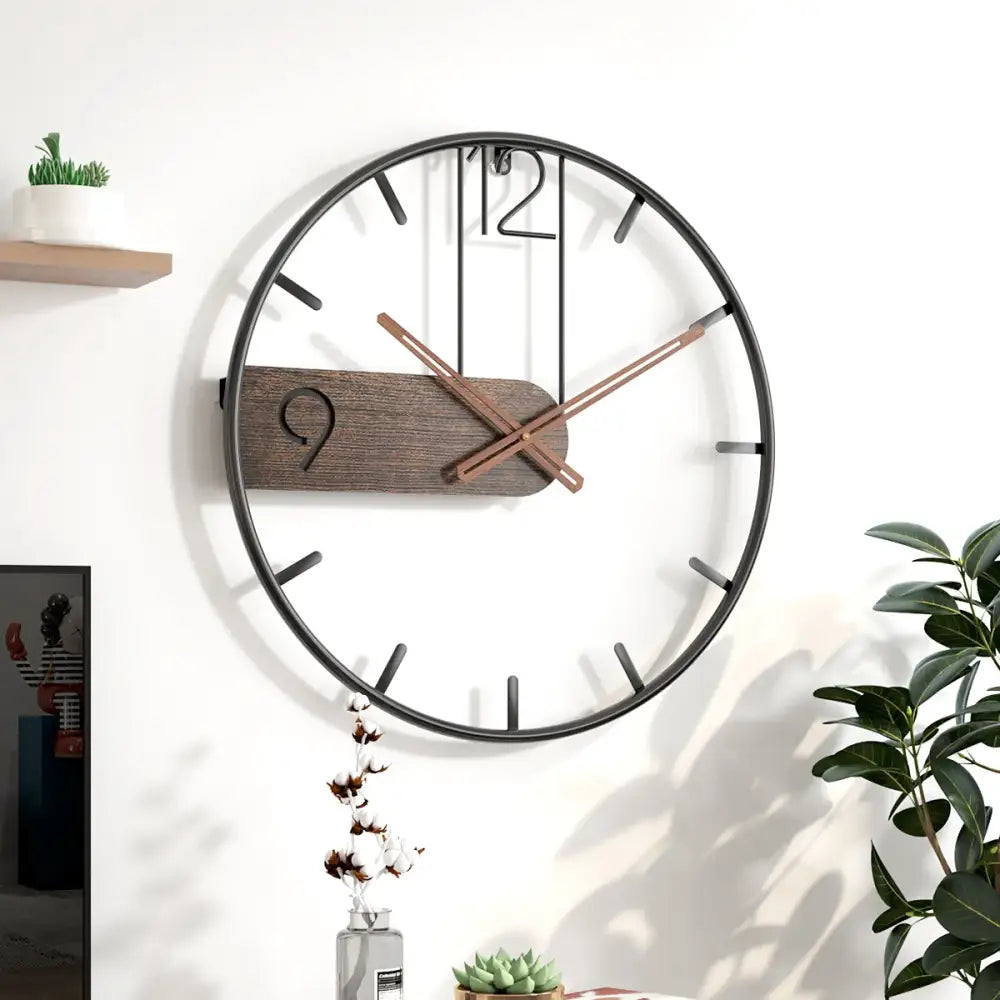
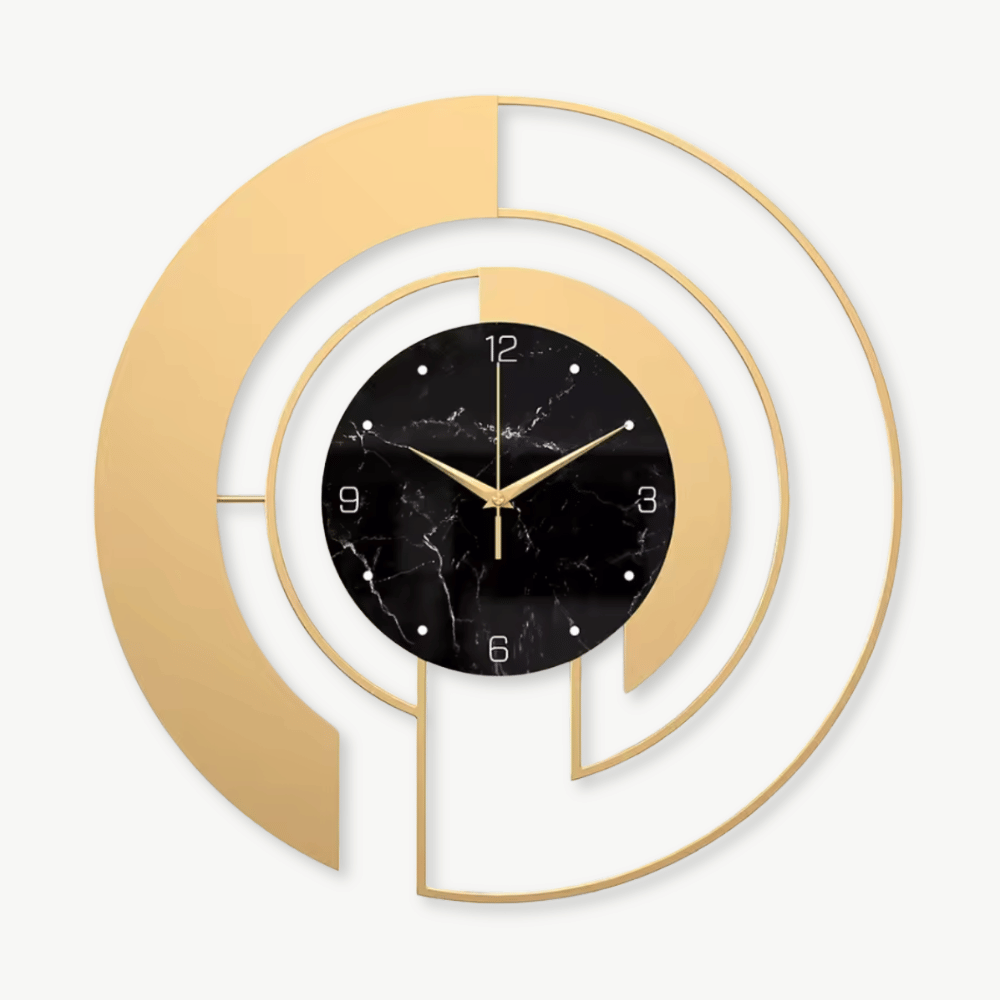
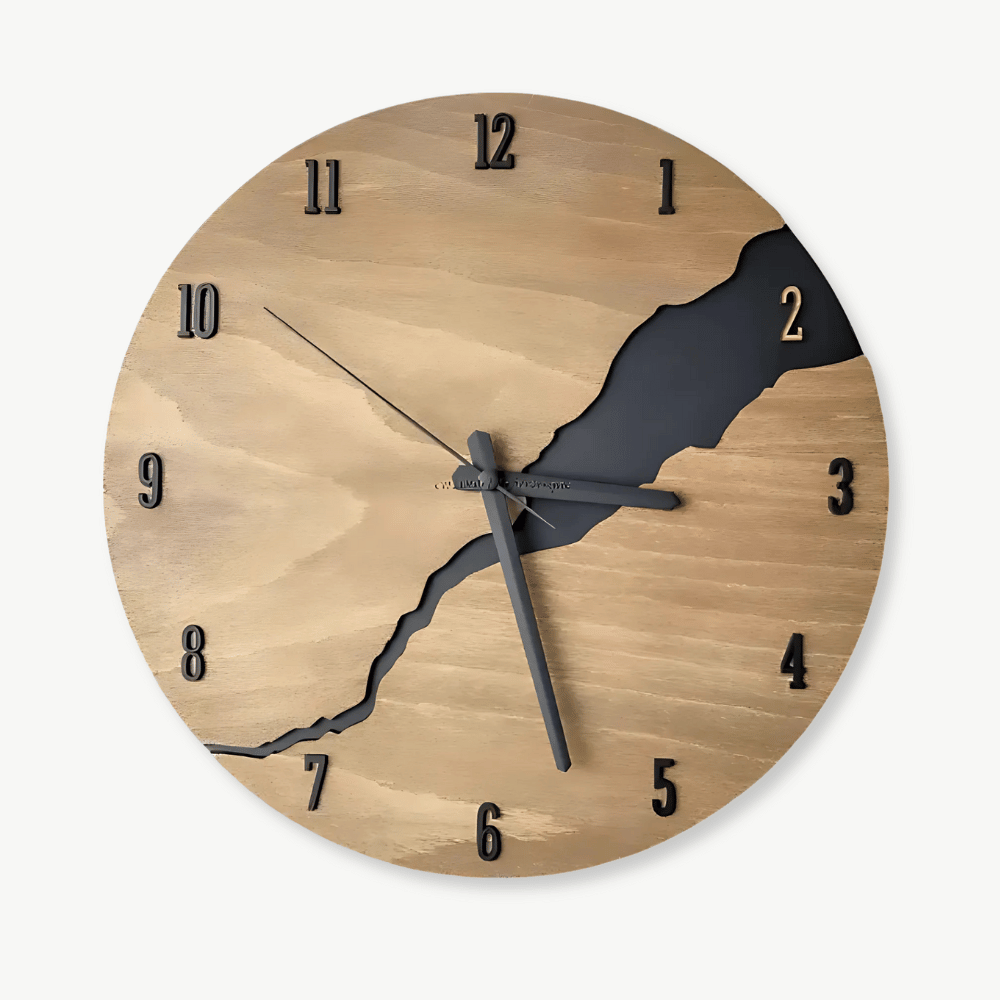
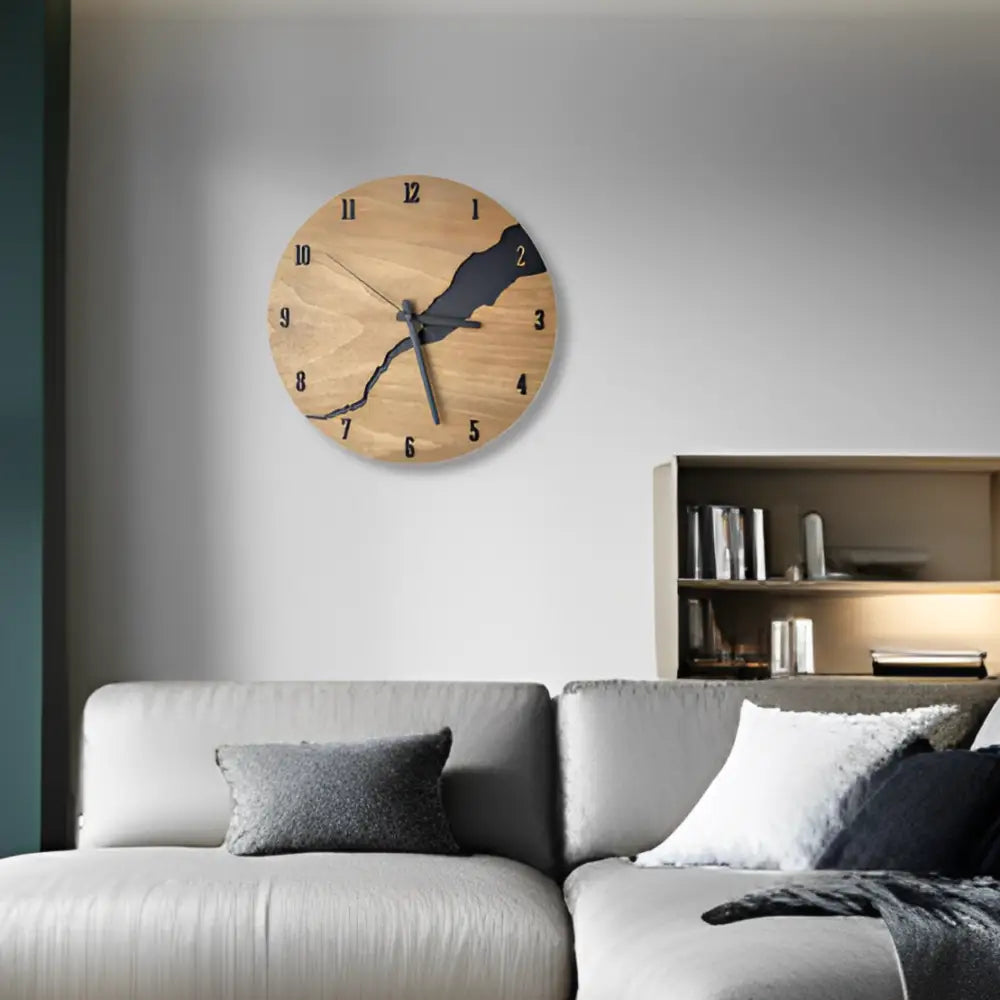
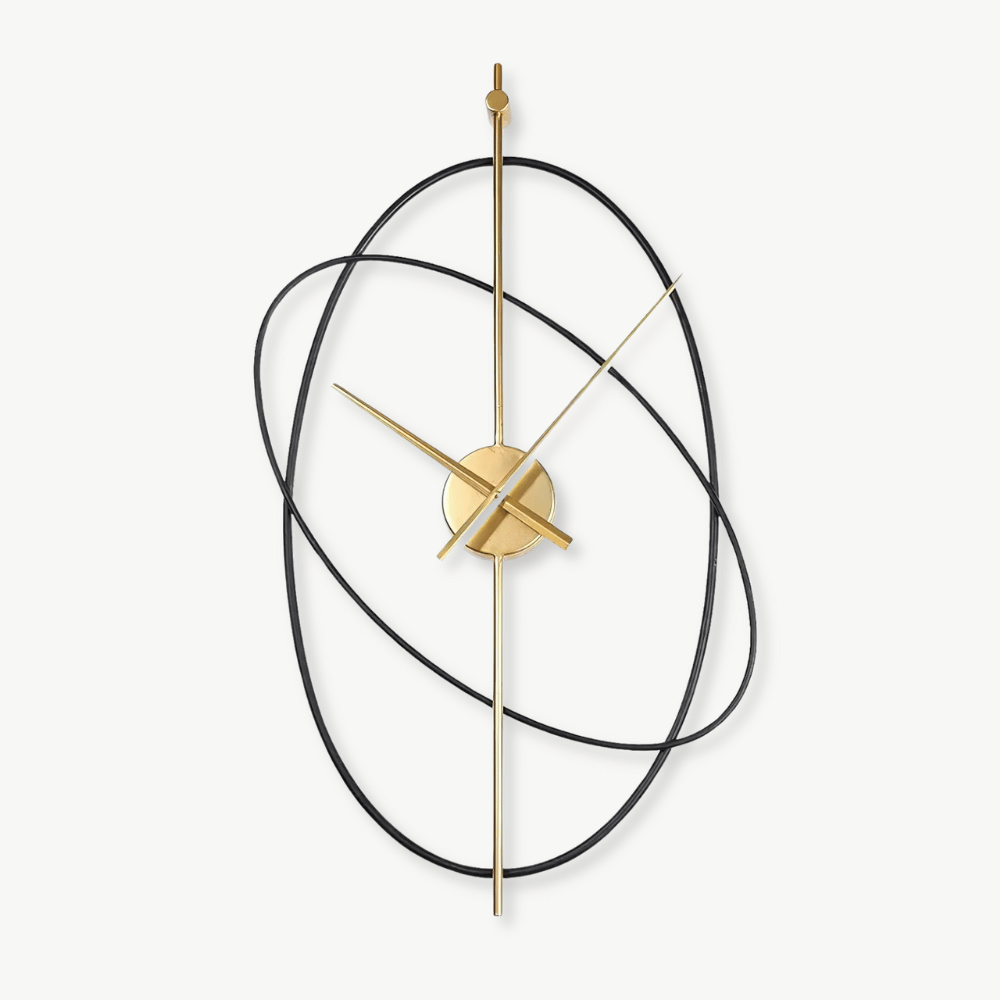
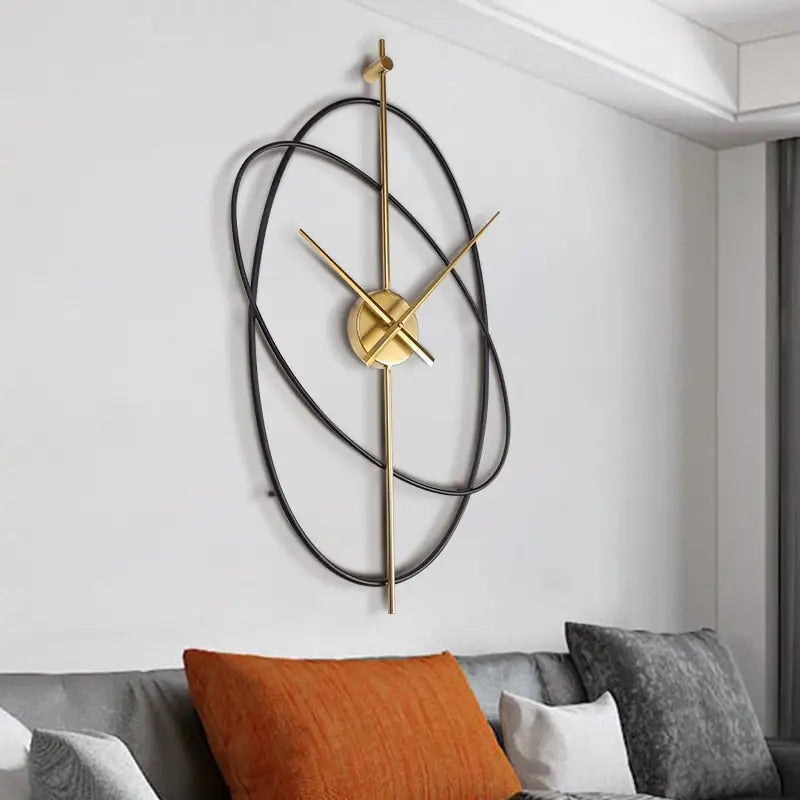
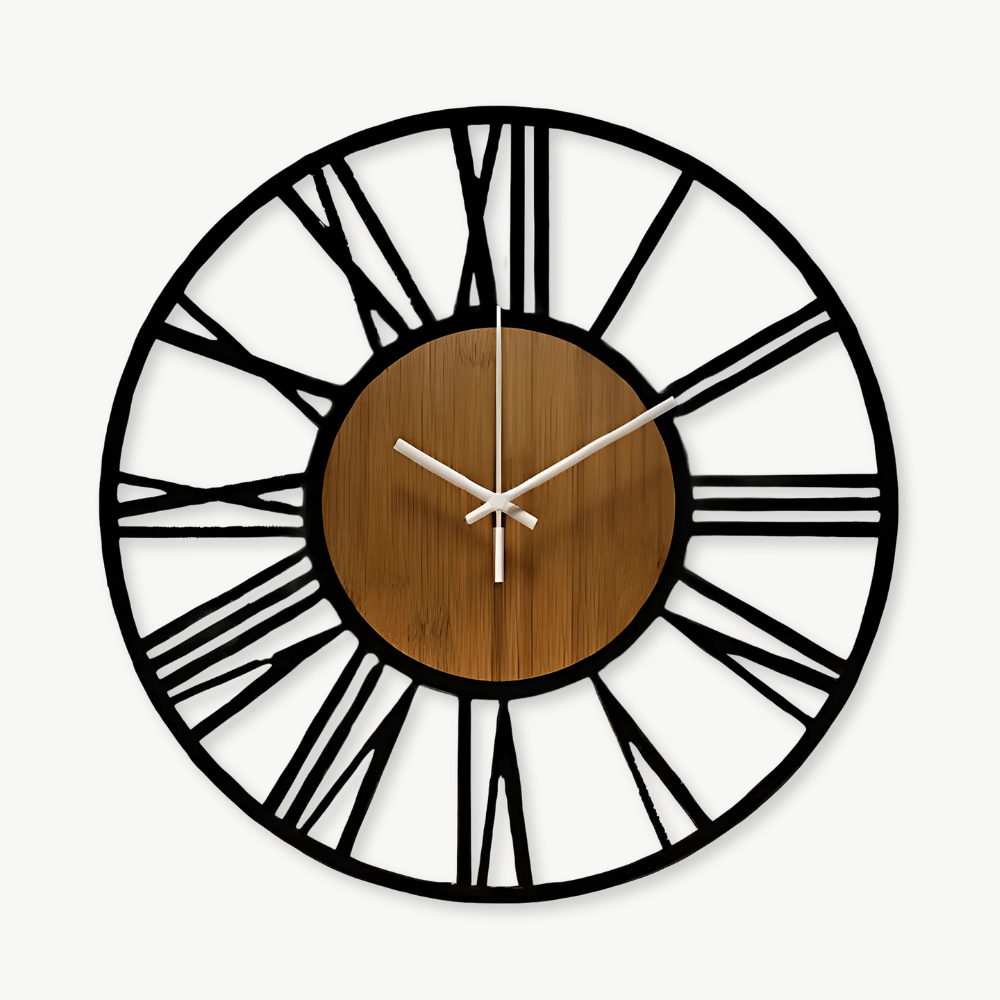
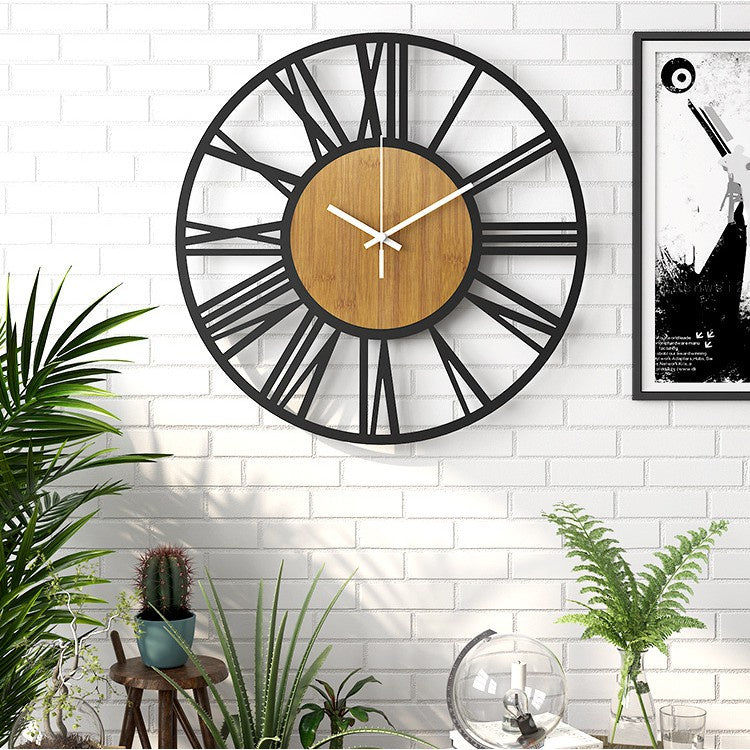
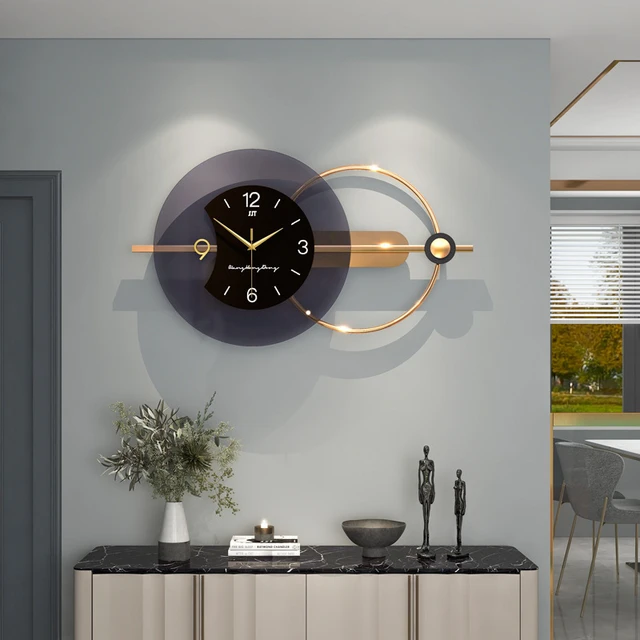
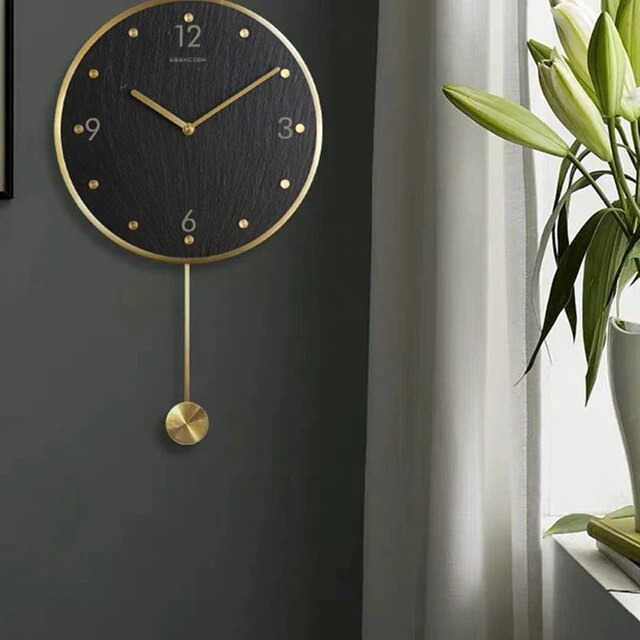
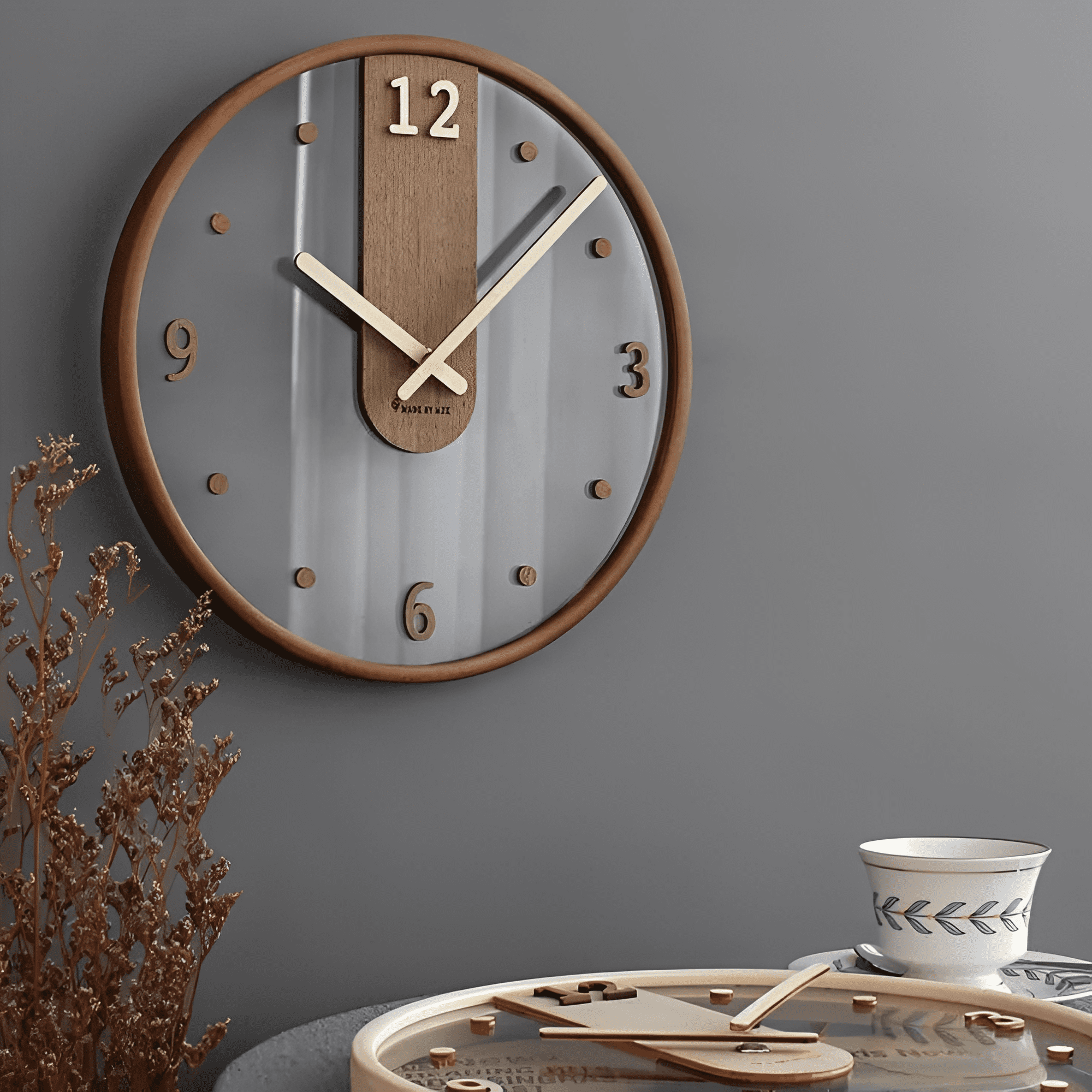
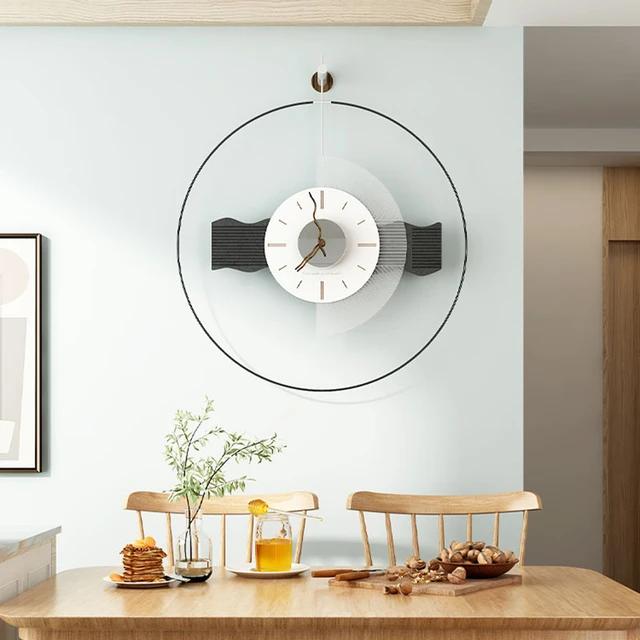
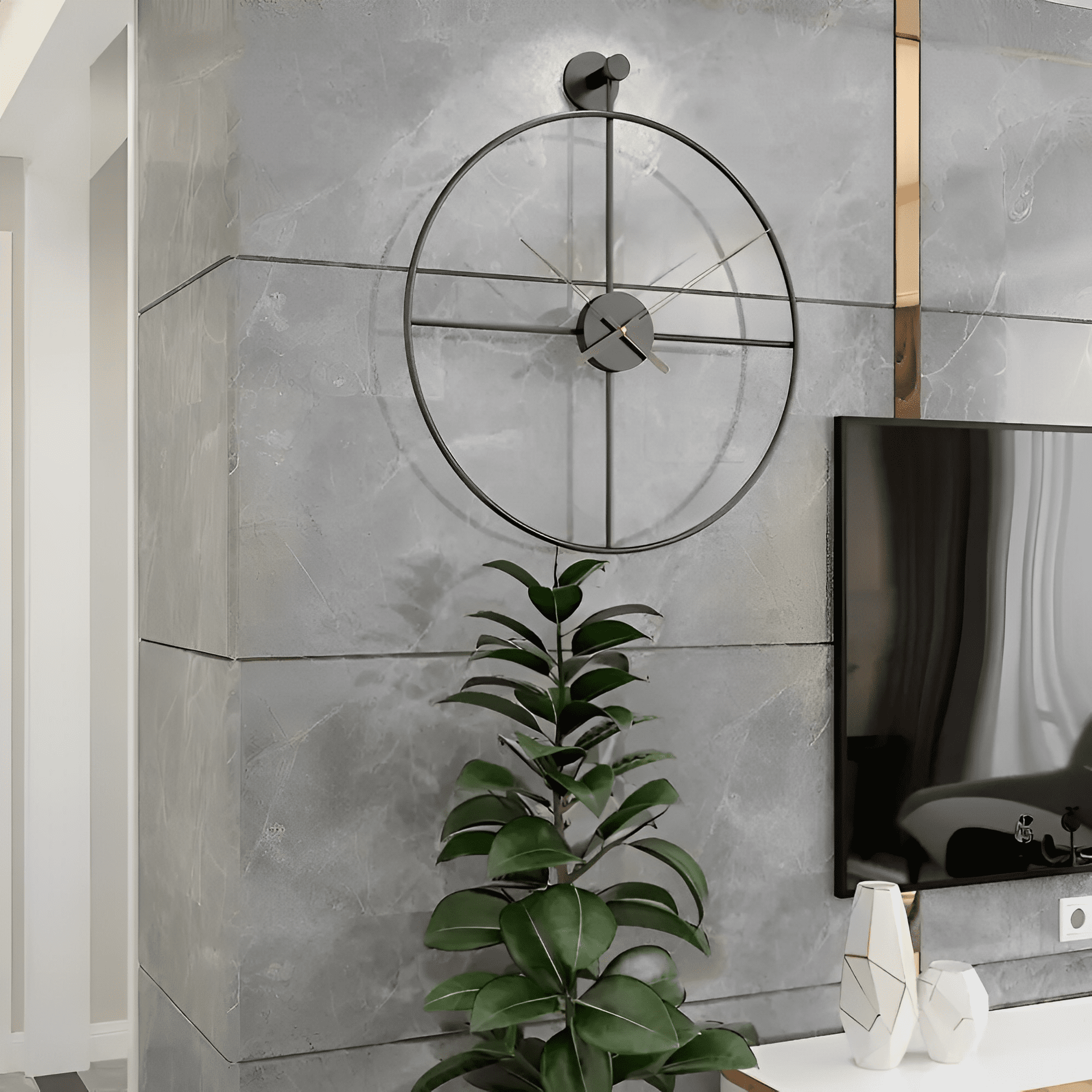
The 21st century favors sobriety. Contemporary creators are reinventing the wall clock with unexpected materials: concrete, resin, recycled materials. This ecological approach addresses current concerns.
Current trends in clock design:
- Scandinavian minimalism: clean lines, neutral colors
- Smart clocks: home automation integration, automatic synchronization
- Sustainable materials: bamboo, recycled materials, ethical production
- Customization: made-to-measure clocks, personalized engravings
The Societal Impact of Wall Clocks
The history of wall clocks reveals their considerable influence on our societies. These instruments have literally shaped our modern civilization! Their impact goes far beyond mere timekeeping.
Social Synchronization
Public wall clocks enabled the coordination of collective activities. Train stations, schools, factories, offices... Wherever synchronization was crucial, the wall clock reigned supreme.
Evolution of Lifestyles
The increasing accessibility of wall clocks has transformed our domestic rhythms. Meals, work, leisure... Everything is now organized around these timekeepers. Honestly, imagine your daily life without a clock!
| Field | Before the Clock | After the Clock | Revolution Brought |
|---|---|---|---|
| Transport | Approximate schedules | Precise synchronization | Railway revolution |
| Work | Natural rhythm | Fixed schedules | Industrial productivity |
| Education | Free learning | Structured courses | Modern school system |
Frequently Asked Questions
What is the oldest preserved wall clock?
The oldest preserved mechanical wall clock dates back to 1386. It is located in Salisbury Cathedral in England. This marvel of ancient clockmaking still works today after more than 600 years!
Who invented the first electric wall clock?
The first electric clock was developed by Alexander Bain in 1840. However, the first commercial electric wall clocks appeared around 1920, revolutionizing the domestic wall clock evolution.
Why were wall clocks so important in train stations?
Station clocks synchronized the departures and arrivals of trains. This time precision was crucial to avoid collisions and organize rail traffic. They symbolized modernity and Victorian punctuality.
How to recognize an authentic antique wall clock?
A genuine antique wall clock shows distinctive signs: visible mechanism, markings of famous clockmakers, natural wear, period materials. The expertise of a professional remains essential for authentication.
What is the difference between a clock and a wall clock?
Technically, a clock uses a swinging pendulum to regulate time, while a wall clock refers to any time-measuring instrument fixed to the wall. However, in common usage, these terms are often interchangeable.
Are modern wall clocks still accurate?
Contemporary quartz wall clocks display remarkable accuracy: less than one second of deviation per day. Radio-controlled models synchronize automatically, eliminating any time lag.