
How to Choose the Perfect Clock for Your Decor Style: 2025 Guide
Choosing a wall clock is much more than just telling the time. It's about creating a focal point, giving character to your interior, and revealing your personality. Honestly, I was skeptical at first when I was told that a simple clock could transform a room. But after trying different styles in my home, I can assure you that the decorative impact of a well-chosen clock is truly spectacular.
In this comprehensive guide, we will explore together how to perfectly harmonize your wall clock with your existing decor style.
Summary
- The different styles of clocks according to your decor
- Colors and materials: the keys to harmony
- Sizes and strategic placements
- Choose according to the destination room
- Mistakes to absolutely avoid
- Frequently Asked Questions
The Different Styles of Clocks According to Your Decor
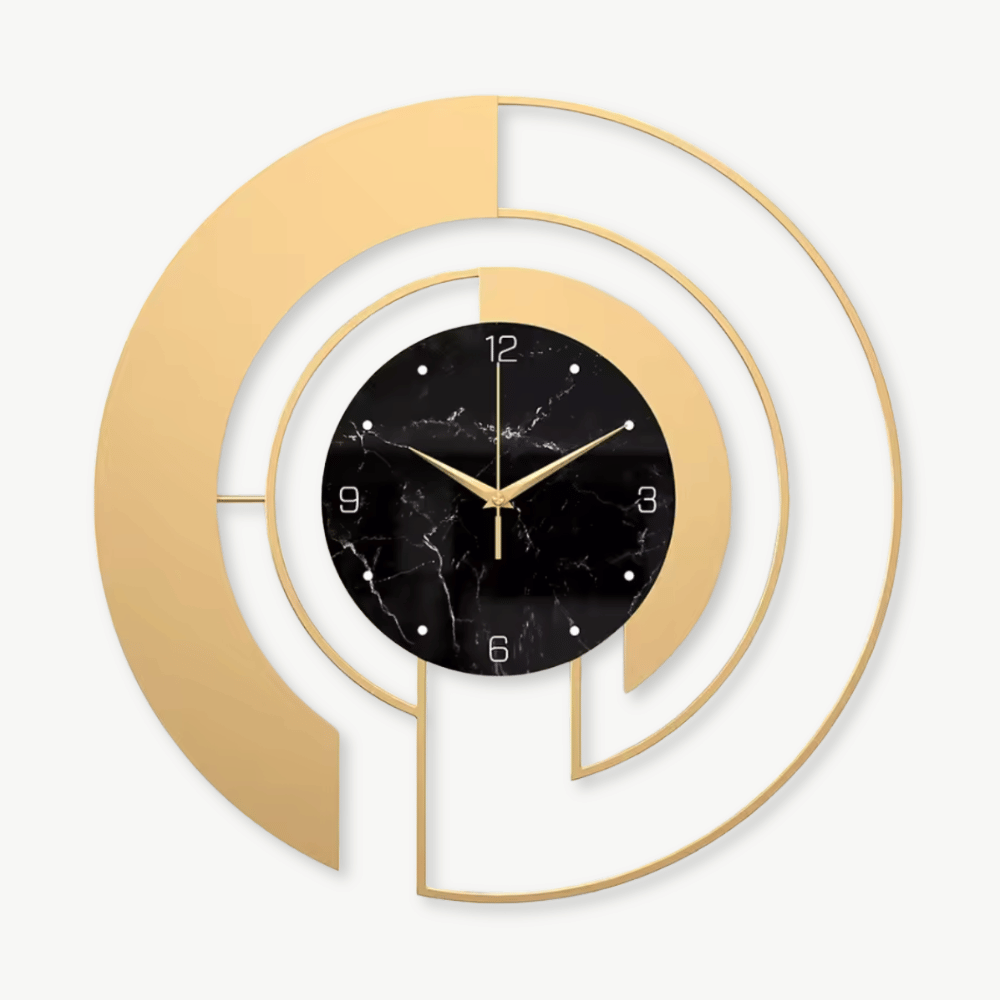
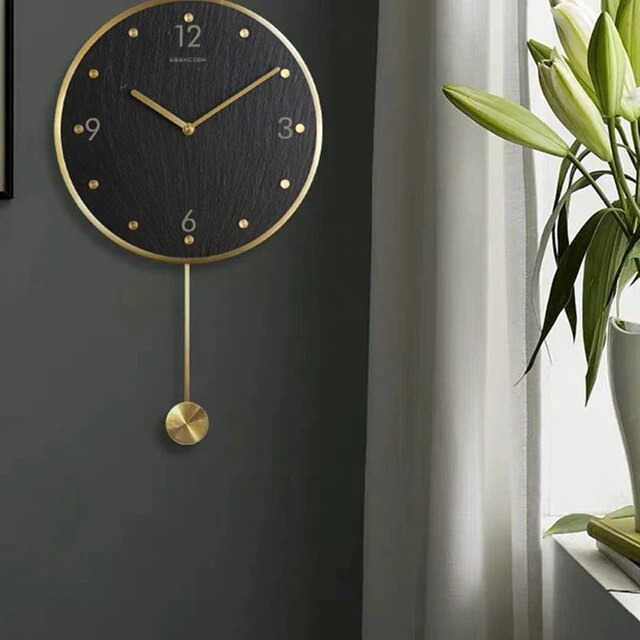
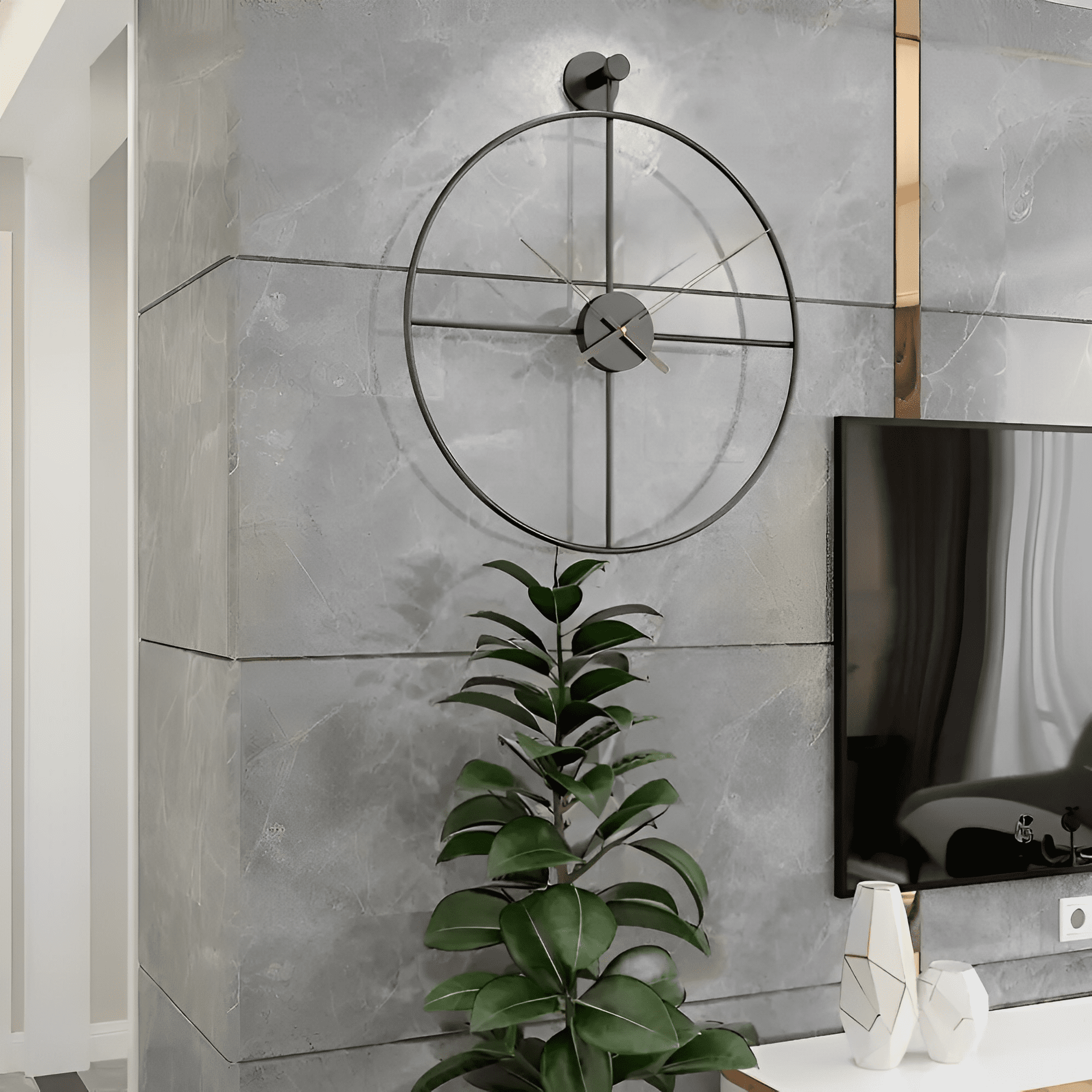
The Modern Clock for a Contemporary Interior
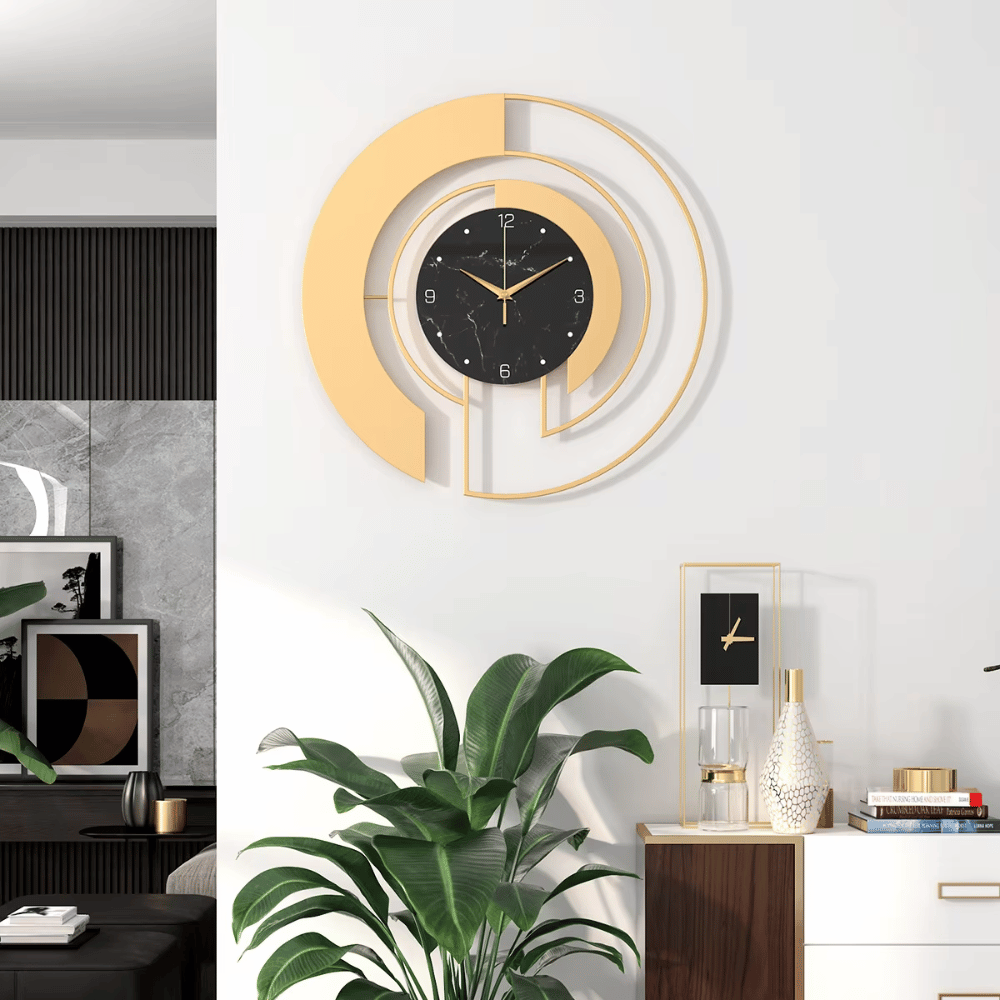
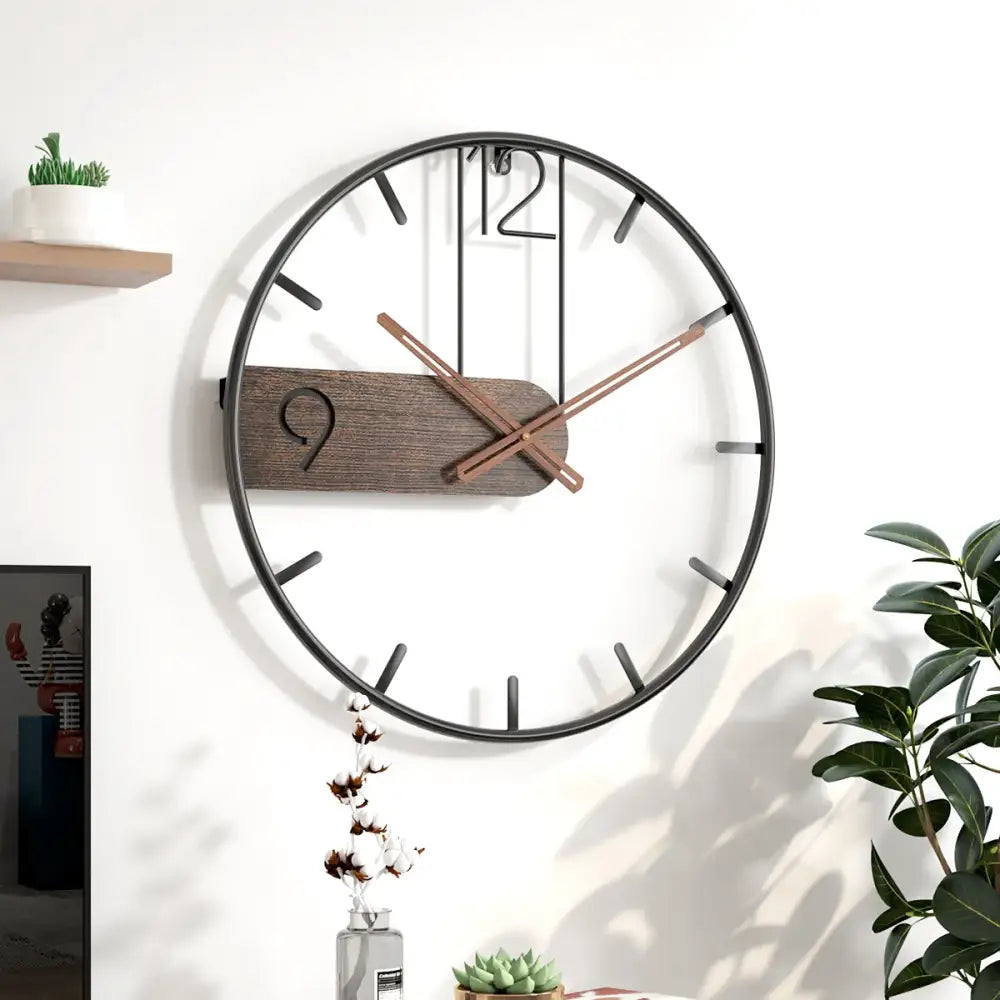
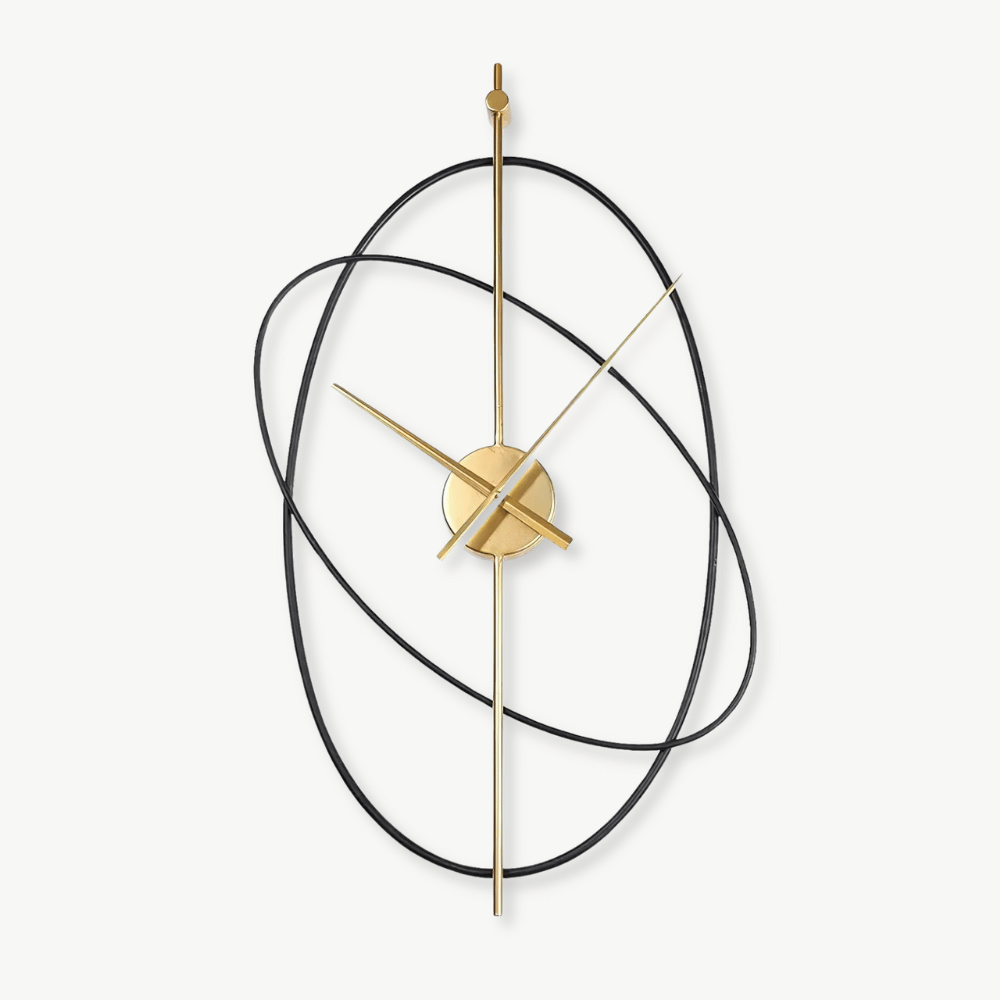
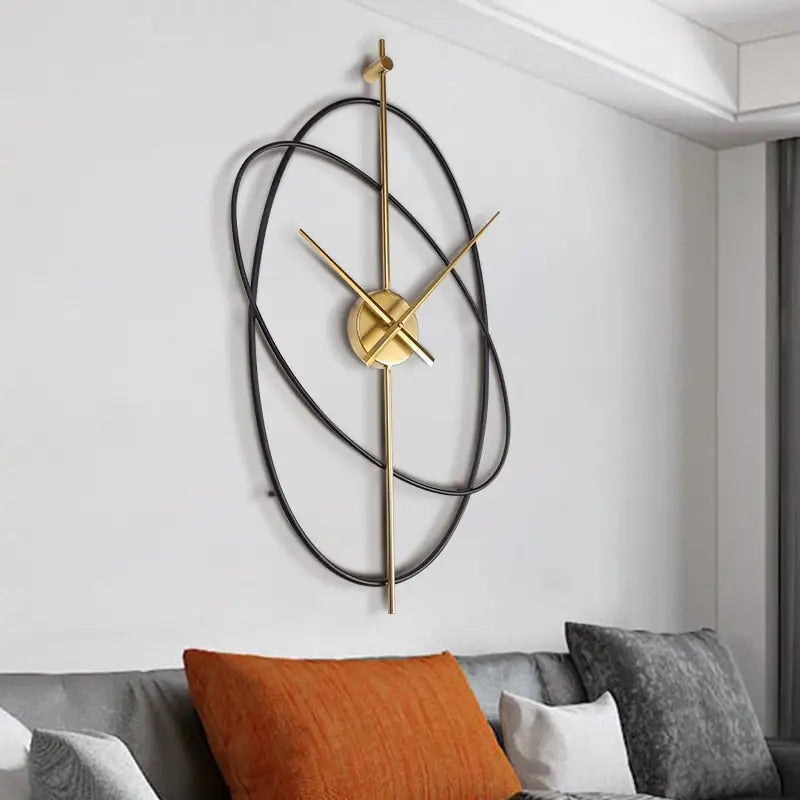
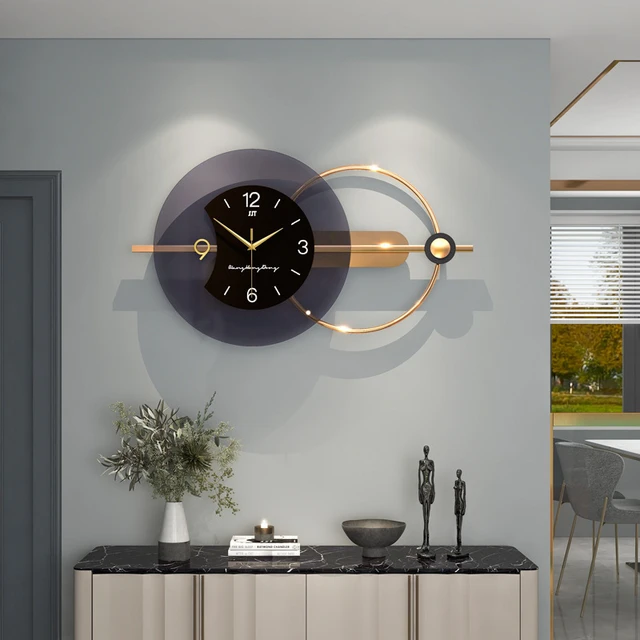
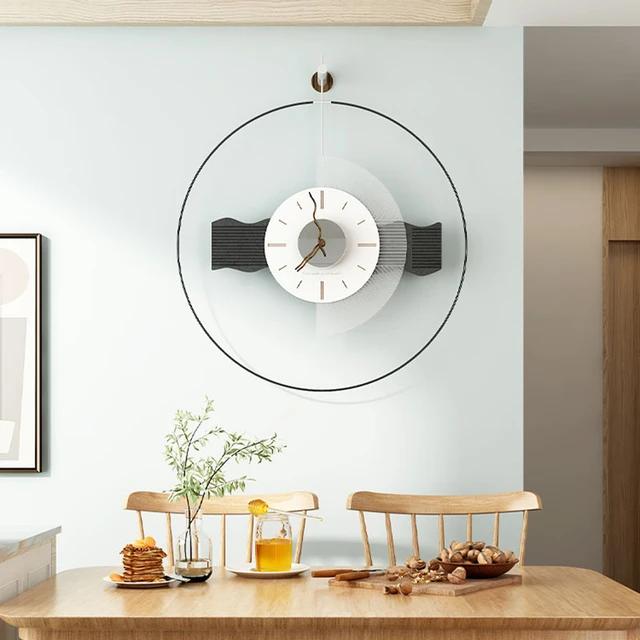
For a contemporary decor style, opt for a modern wall clock with clean lines. These models prioritize simplicity and elegance. Honestly, who hasn't been charmed by these minimalist designs that seem to float on the wall?
The characteristics of a modern clock:
- Materials: brushed metal, glass, acrylic
- Colors: black, white, anthracite gray
- Design: straight lines, geometric shapes
- Dial: often stripped down, stylized numbers
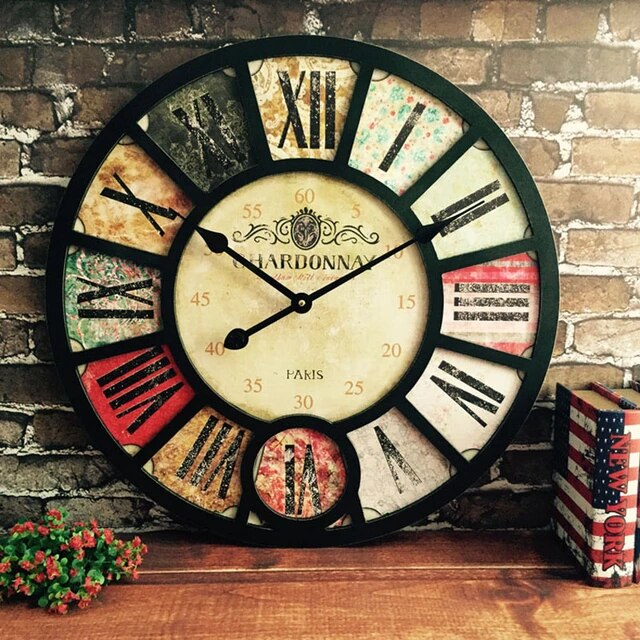
The Vintage Clock for Retro Charm
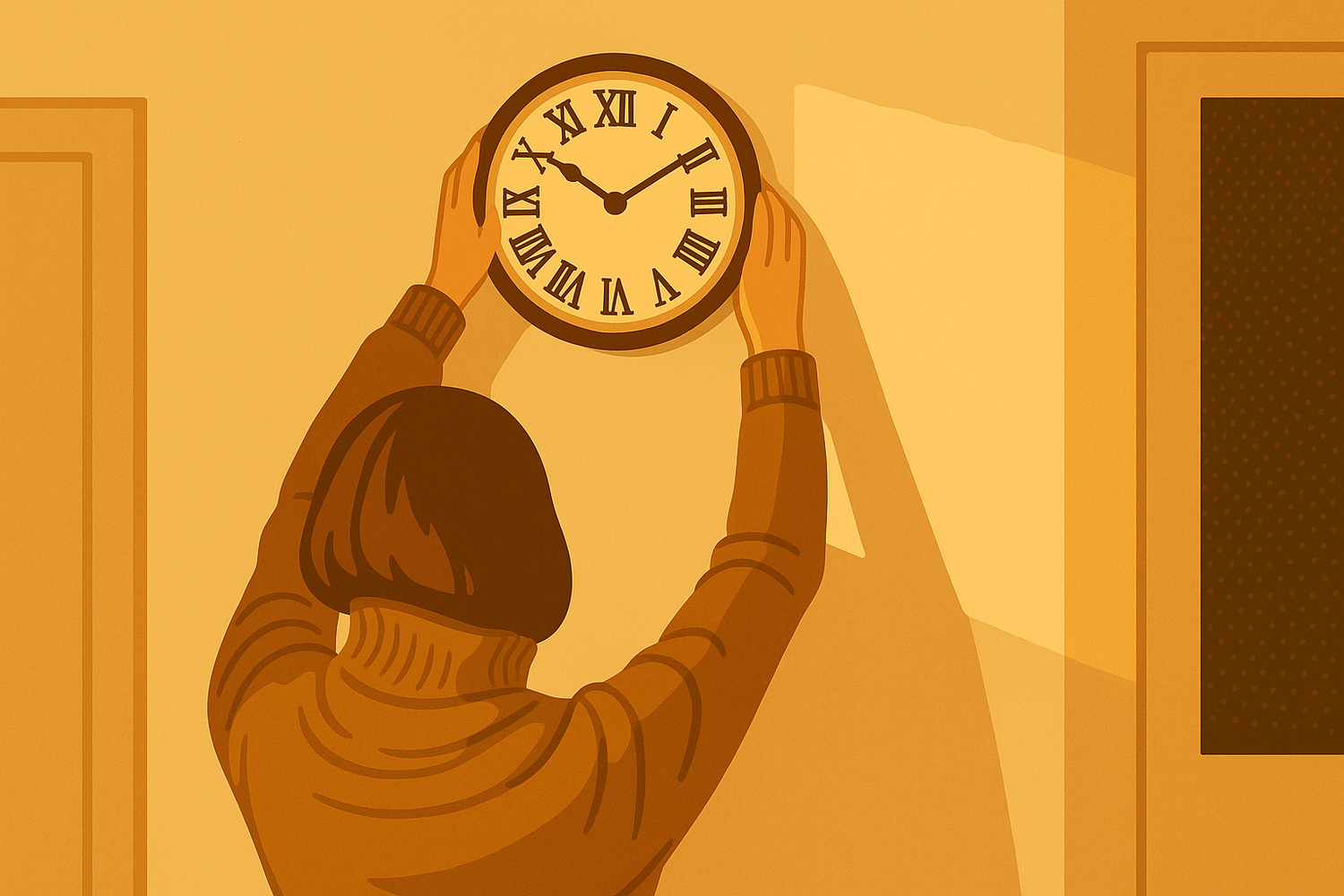
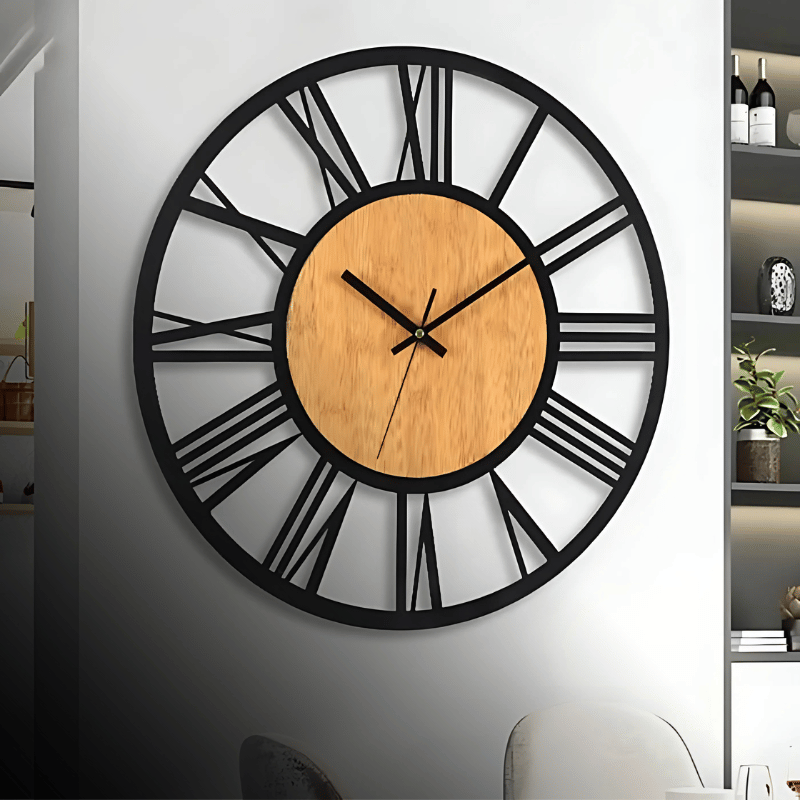
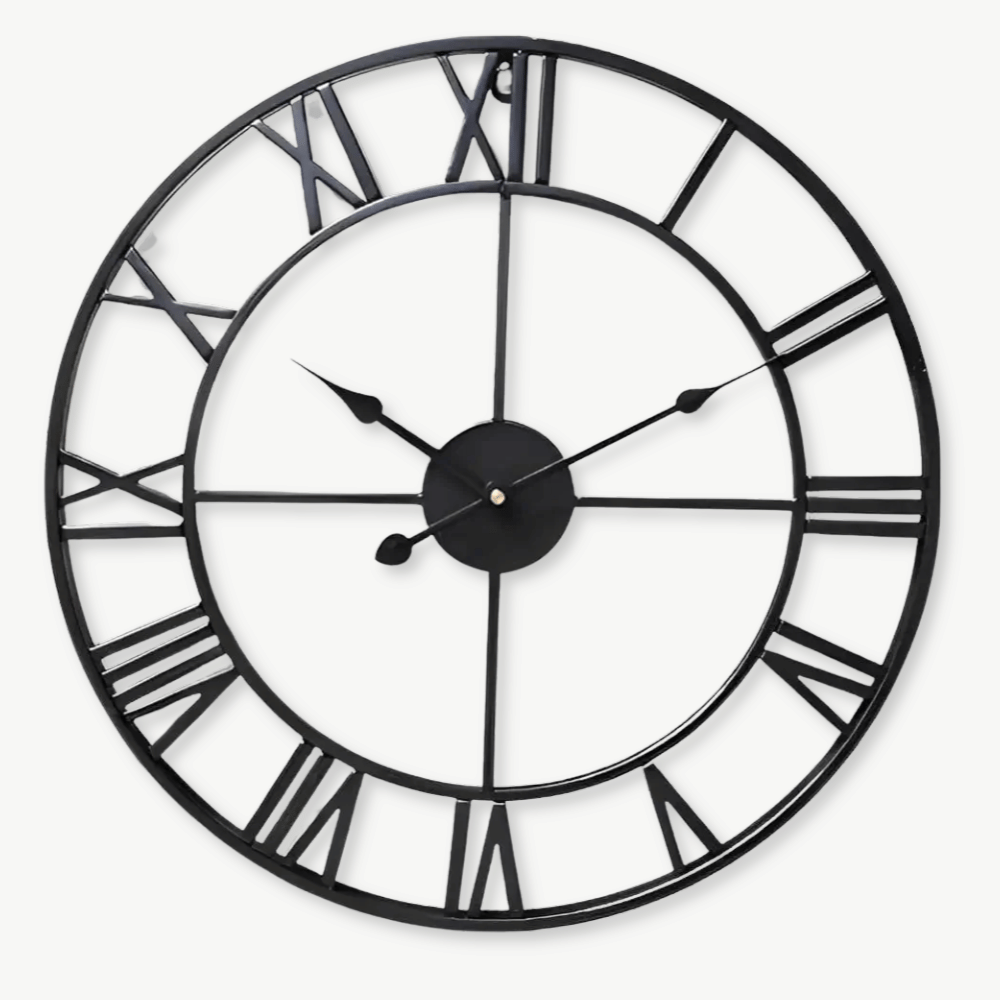
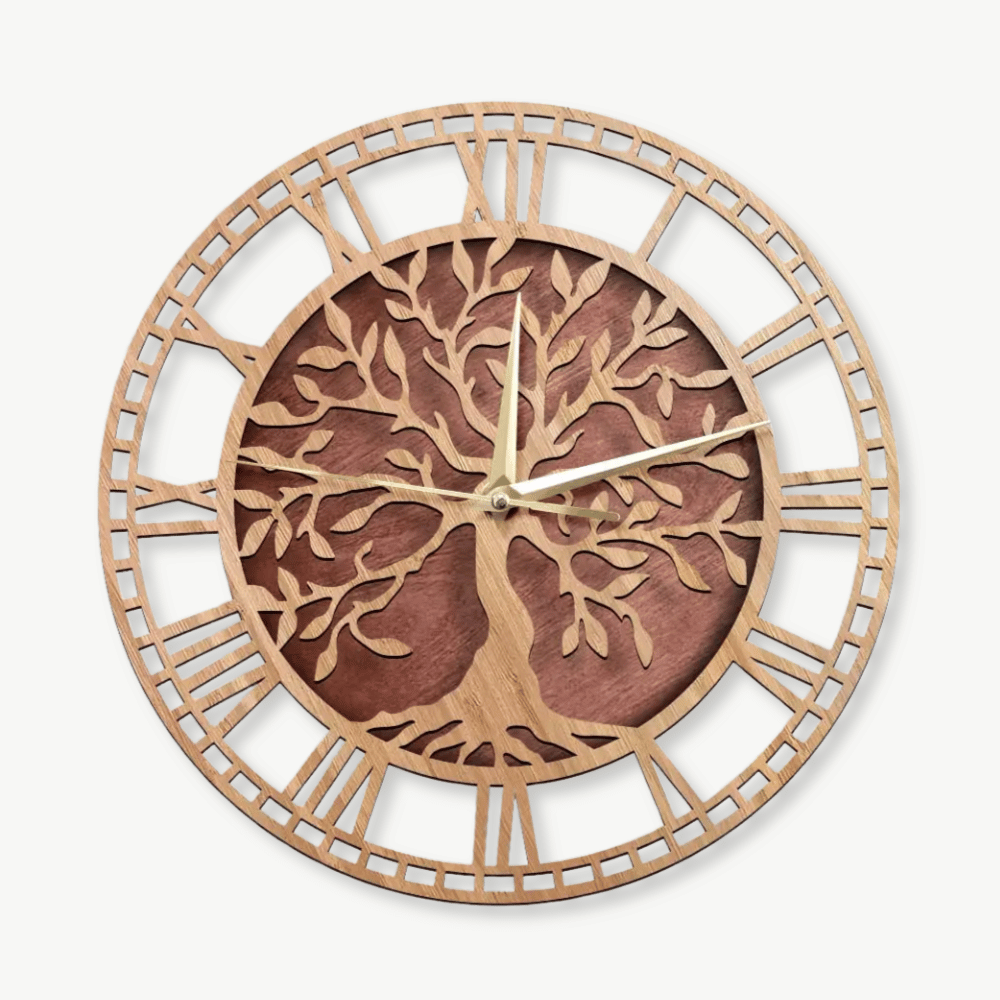
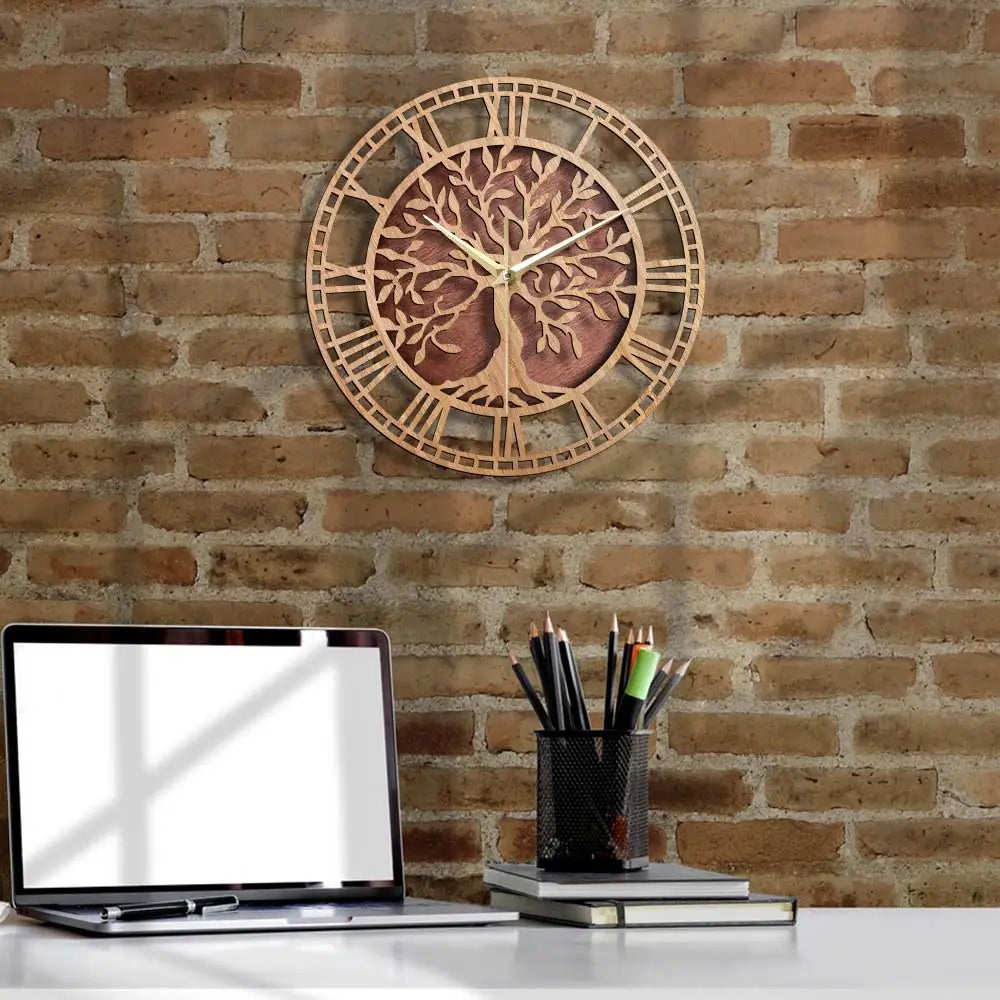
Vintage wall clocks instantly add character to your interior. I installed a clock with Roman numerals in my dining room last year, and the effect is striking. It tells a story.
Here’s what characterizes the vintage style:
- Finishes: patinated, artificially aged
- Numbers: Roman or ancient Arabic
- Colors: warm tones, beiges, creams
- Materials: solid wood, oxidized metal
The Industrial Clock for an Urban Look
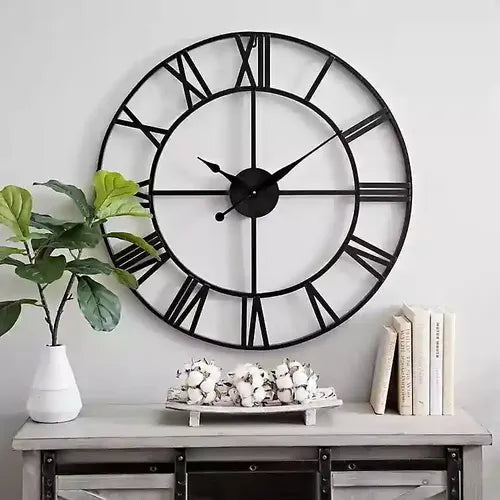
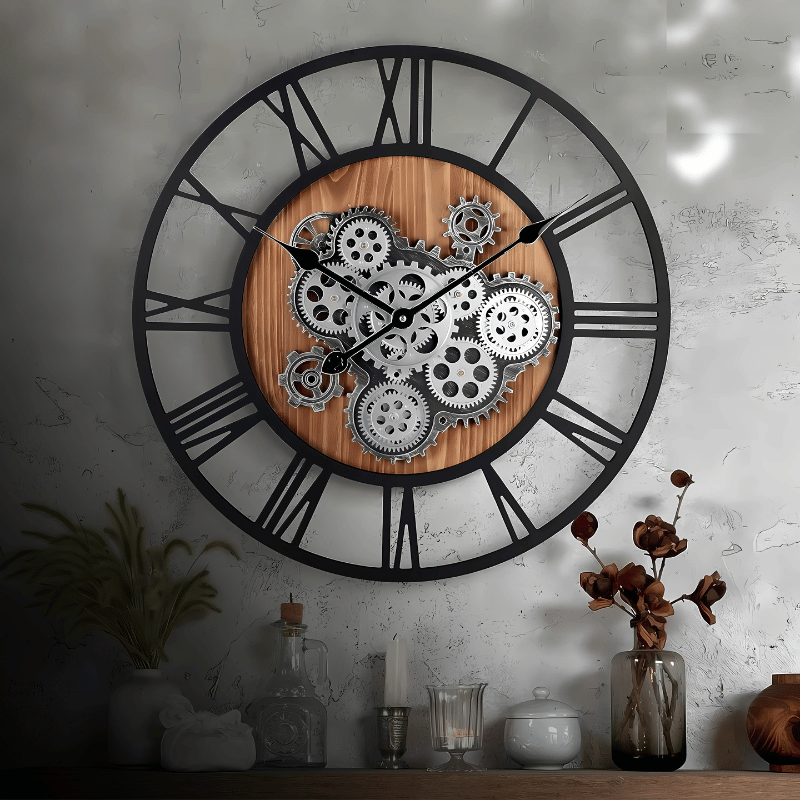
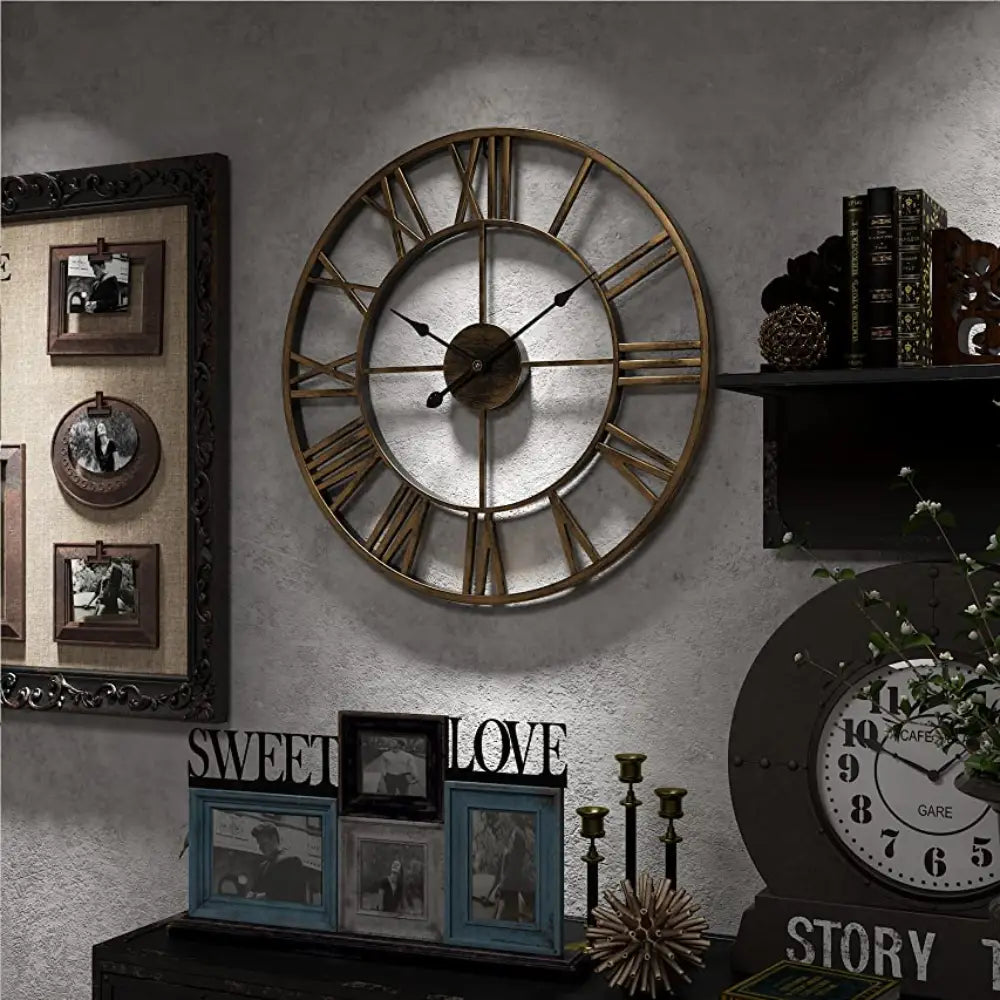
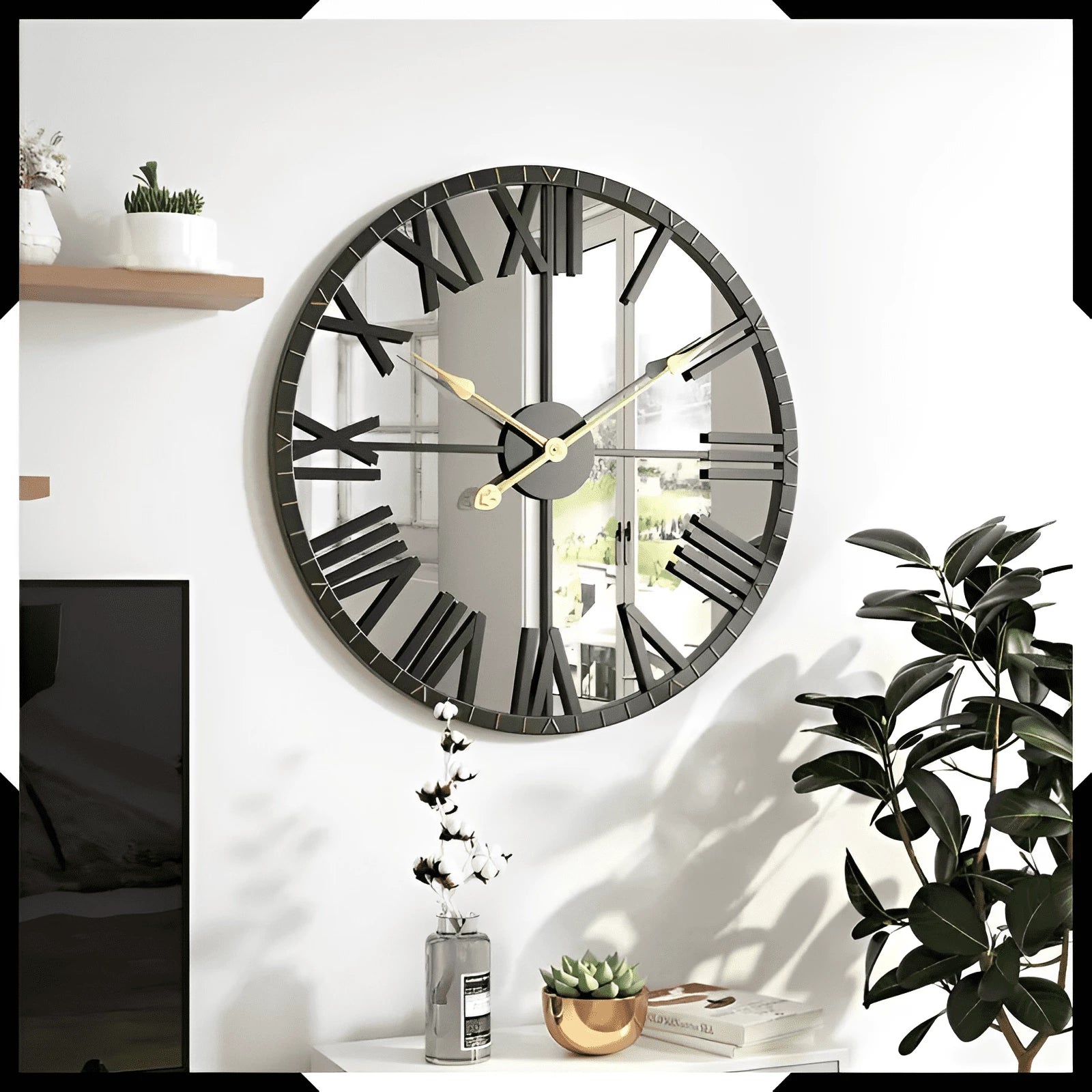
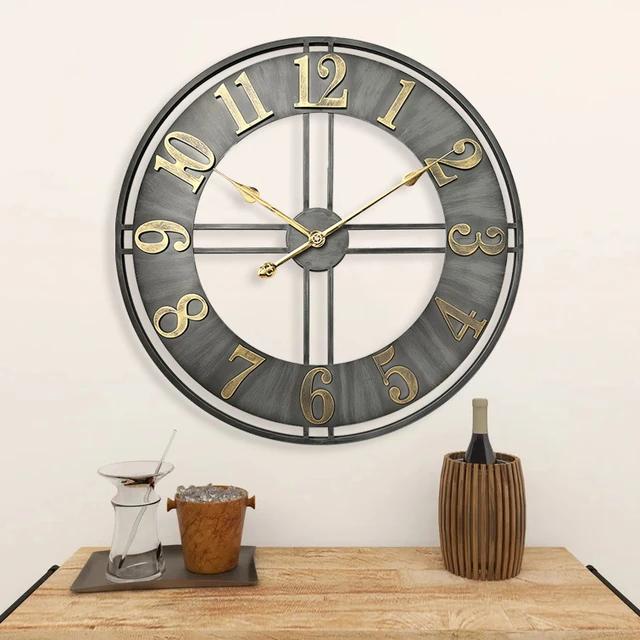
The industrial style captivates with its raw authenticity. An industrial wall clock instantly transforms the atmosphere of a room. It evokes old factories with a crazy charm.
| Feature | Industrial Clock | Modern Clock | Vintage Clock |
|---|---|---|---|
| Main material | Raw metal, wrought iron | Smooth metal, glass | Wood, patinated metal |
| Dominant color | Black, rust, gray | White, black, chrome | Beige, cream, brown |
| Created atmosphere | Urban, authentic | Clean, zen | Warm, nostalgic |
The Scandinavian Clock for Nordic Simplicity
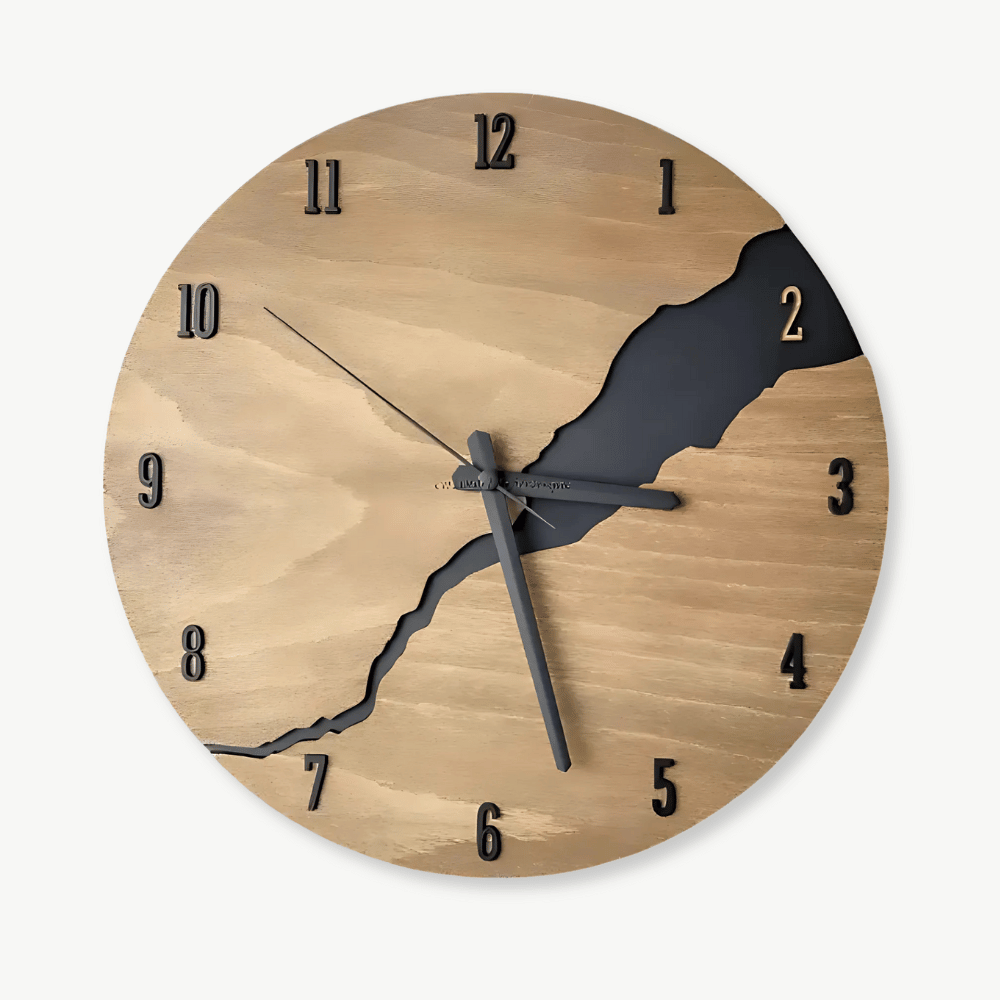
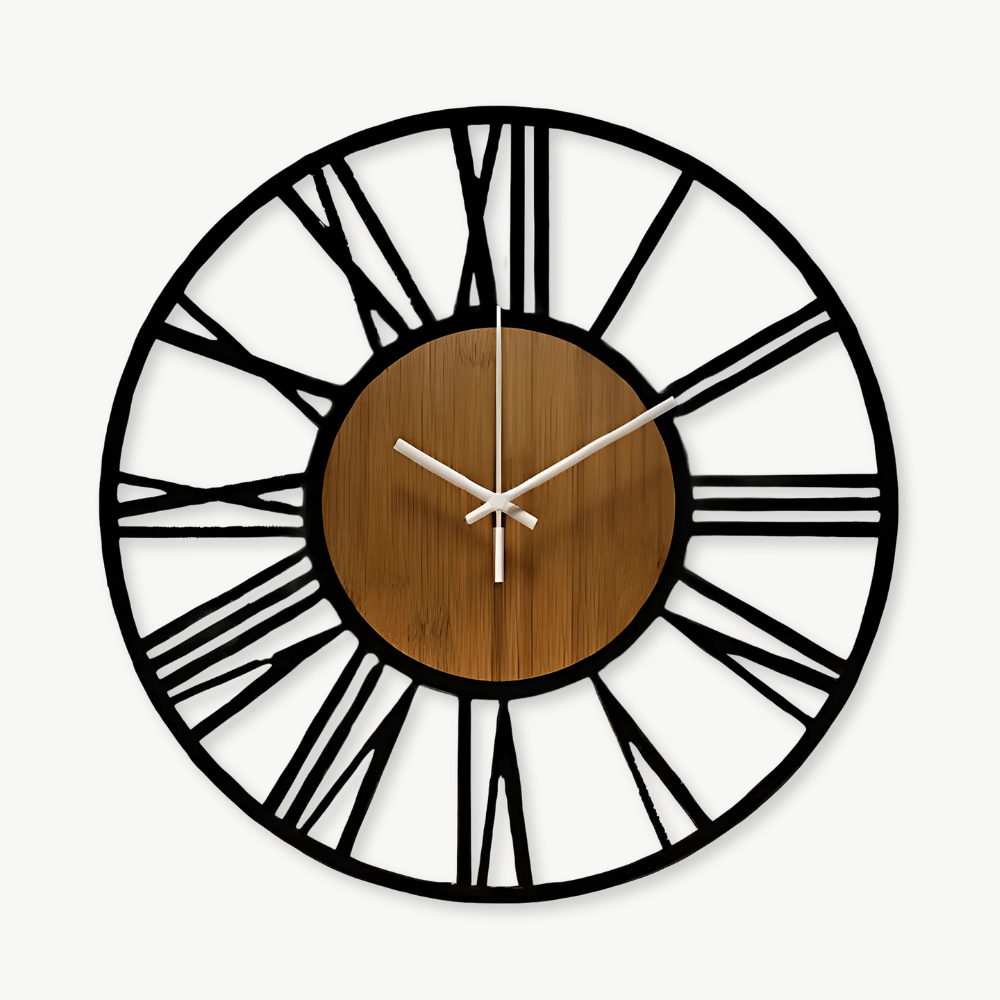
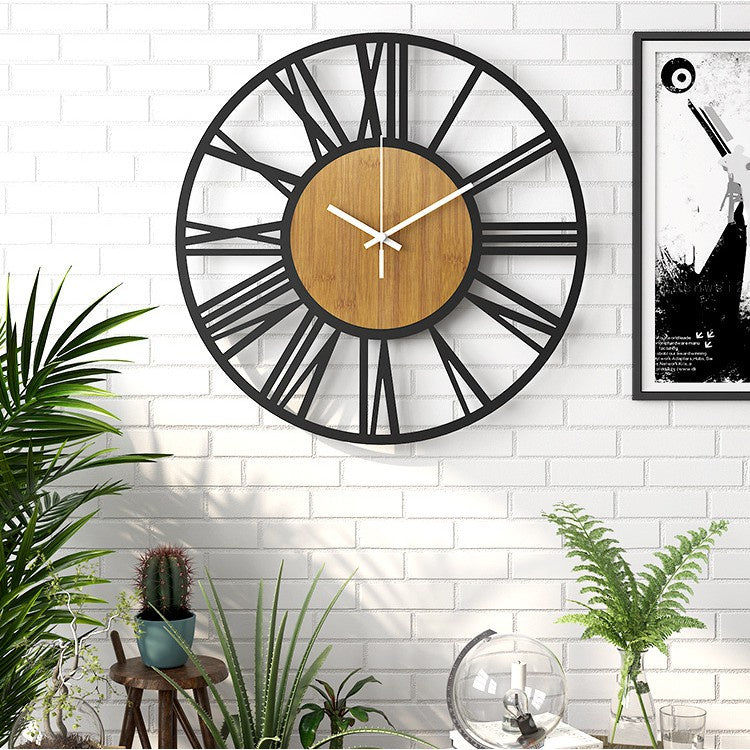
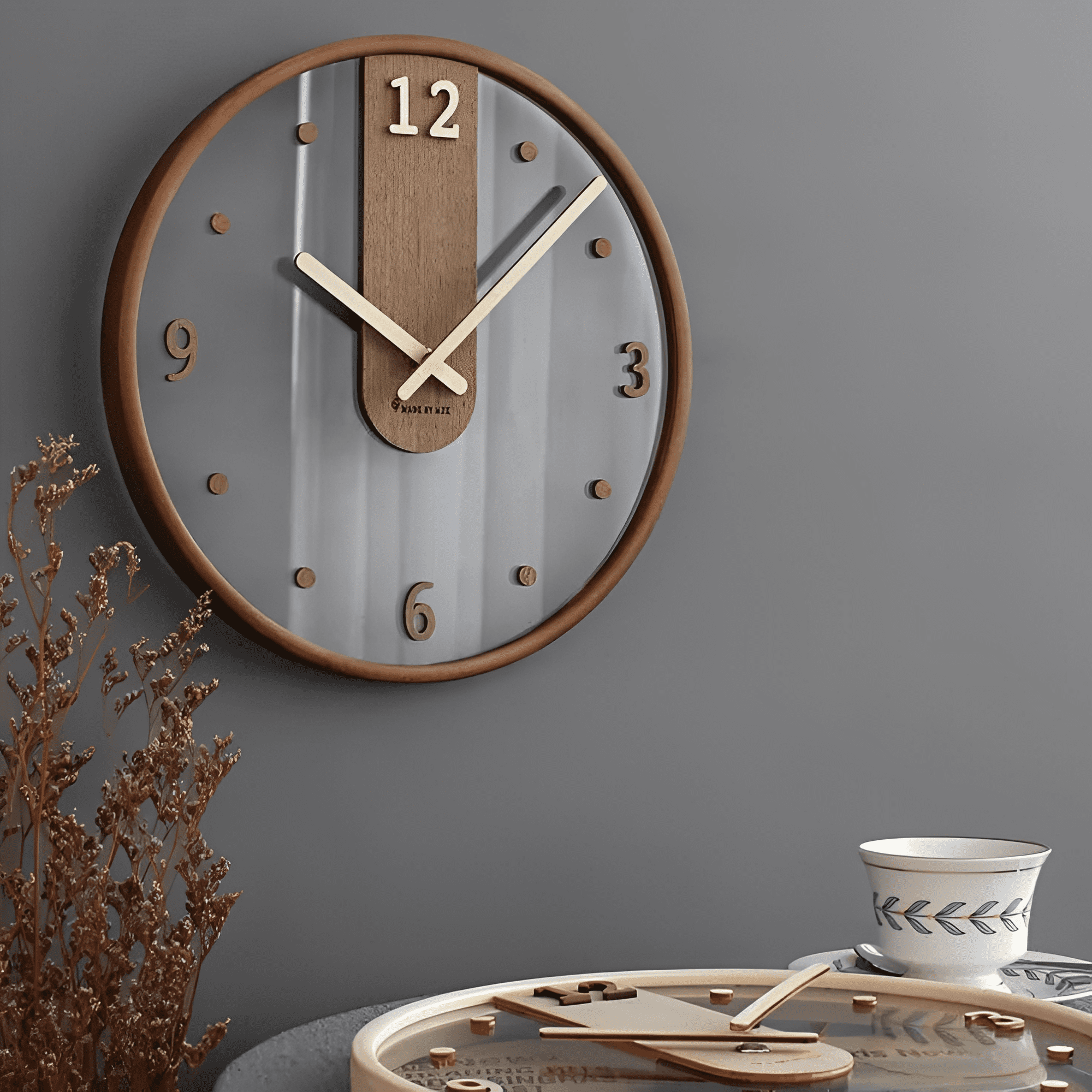
The Scandinavian style emphasizes functionality and simple beauty. These light wood clocks bring warmth and serenity. Perfect for creating that sought-after hygge atmosphere.
Colors and Materials: The Keys to Harmony
Harmonizing Colors with Your Decor
The golden rule? Your clock must interact with your existing decor. If your walls are colorful, opt for a clock in neutral tones. Conversely, on a white wall, dare to use color!
Here are my practical tips for clock colors:
- Neutral tones (white, gray, black): adapt to everything
- Warm colors (beige, brown, gold): create friendliness
- Cool colors (blue, green, gray): soothe the space
- Bright colors: only as an accent on a neutral wall
Choosing Materials According to Your Interior
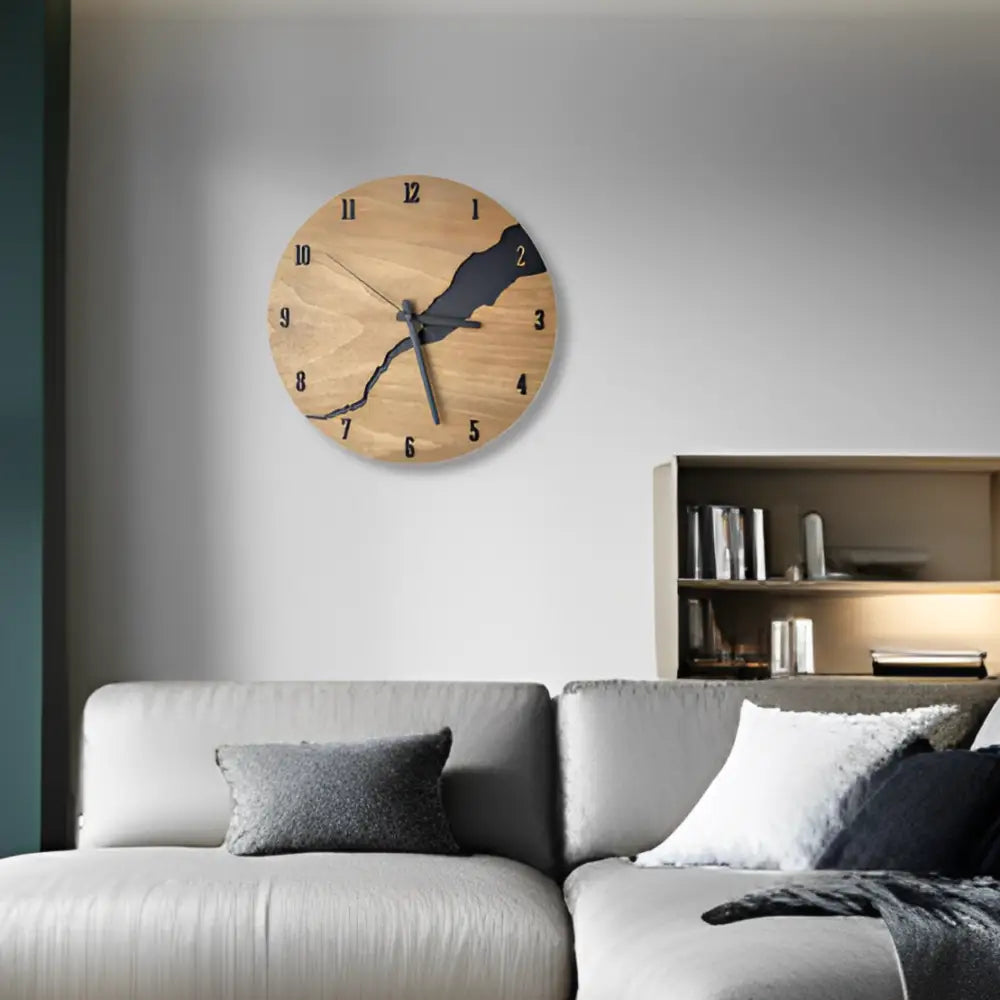
Each clock material conveys its own energy. Wood warms, metal structures, glass lightens. Personally, I have a weakness for wood-metal combinations that create a perfect balance.
Sizes and Strategic Locations
What Size Clock to Choose?
The size of your wall clock depends on the available space and the desired effect. A large wall clock automatically becomes the focal point of your room.
Size Guide According to Space:
- 20-30 cm : kitchen, bathroom, office
- 30-50 cm : bedroom, hallway, small spaces
- 50-80 cm : living room, dining room
- More than 80 cm: large spaces, spectacular effect
The Art of Good Placement
The placement of your clock determines its visual impact. Rule number one: it must be visible effortlessly from the main living areas of the room.
Choosing According to the Destination Room
The Living Room Clock: Centerpiece
In the living room, your clock can be bold! This is where it fully expresses your style. I opted for a giant industrial clock above my sofa, and the wow effect is guaranteed with every visit.
The Kitchen: Functionality and Style
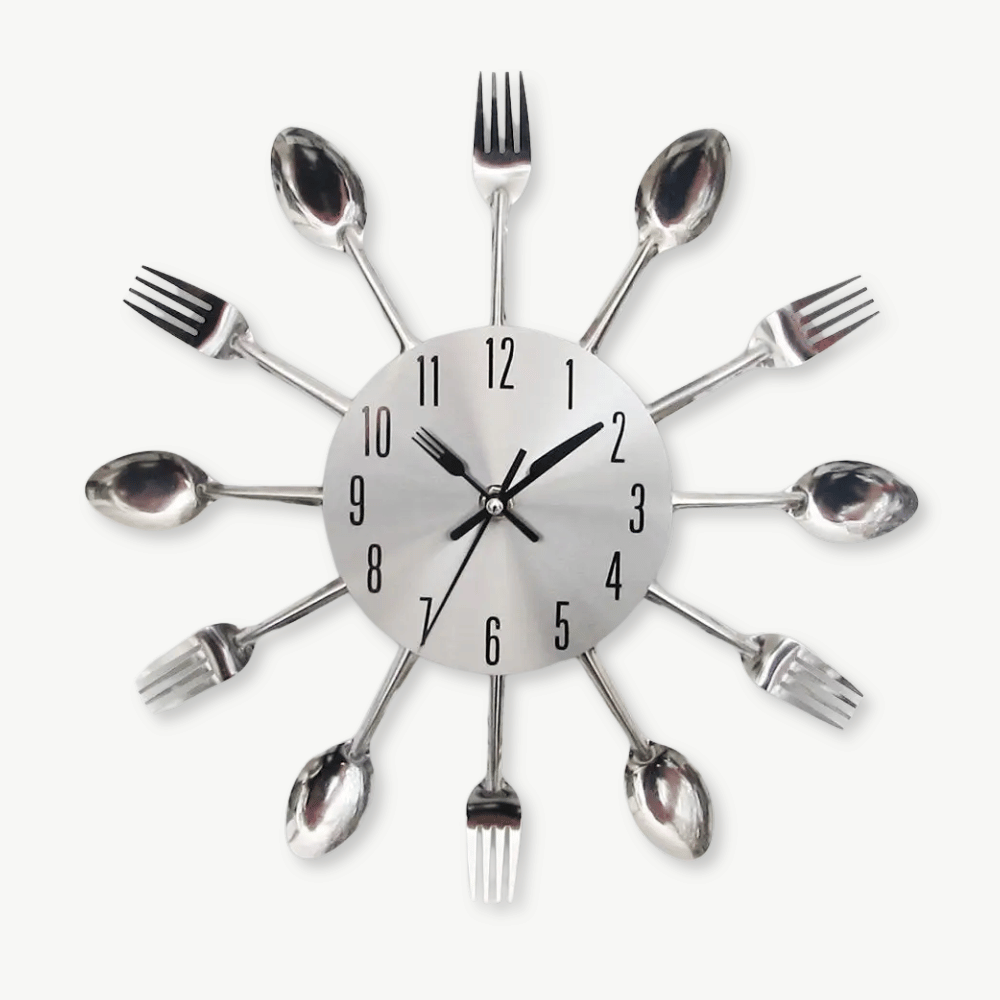
In the kitchen, prioritize readability and moisture resistance. A modern metal clock or a vintage enamel version works wonders.
The Bedroom: Discretion and Harmony
In the bedroom, opt for a silent clock. The ticking can become annoying at night. Quartz movement models are perfect for this.
Mistakes to Absolutely Avoid
After years of experience, here are the classic pitfalls:
- Choosing an inappropriate size: too small, it goes unnoticed; too large, it overwhelms the space
- Neglecting material harmony: your clock should communicate with your furniture
- Forgetting functionality: prioritizing design at the expense of readability
- Poorly positioning the clock: too high, too low, or hidden by furniture
One last thing: treat yourself! Your clock should move you every time you look at it. That's the secret to a successful choice.
Frequently Asked Questions
Which clock to choose for a modern living room?
For a modern living room, opt for a clock with clean lines in metal or glass. Minimalist models with a stripped-down dial and stylized hands integrate perfectly. Favor neutral colors like black, white, or chrome.
How to harmonize a vintage clock with my contemporary decor?
A vintage clock can perfectly fit into a contemporary decor by creating an interesting contrast. Choose a model in neutral tones and place it on a clean wall. The mix-and-match effect adds character without overloading.
What size clock for a 3-meter wall?
For a 3-meter wall, a clock of 60 to 80 cm will be proportionate. This size creates optimal visual impact without overwhelming the space. If the wall is very clear, you can even dare to have a giant clock over 80 cm.
Does an industrial clock suit all interiors?
The industrial clock adapts to many styles thanks to its authentic side. It works perfectly with loft, contemporary, and even Scandinavian styles. Avoid it in very classic or romantic interiors where it might clash.
How to choose between an analog or digital clock?
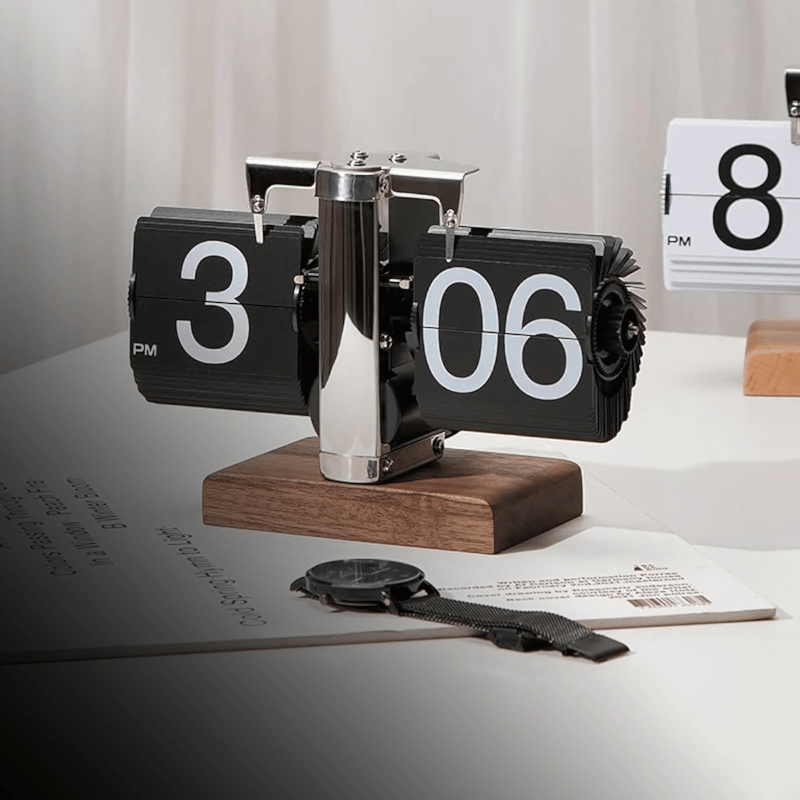
Analog clocks are more decorative and timeless, perfect for style. Digital models are more practical and modern, ideal for offices or kitchens. It all depends on your priority: aesthetics or pure functionality.
Can you mix several styles of clocks in the same house?
Absolutely! You can have an industrial clock in the living room and a Scandinavian version in the kitchen. The important thing is to maintain harmony in each room individually and avoid mixing in the same visual space.