
Wall Clock: Between Utility and Decoration, How to Choose the Perfect Clock?
Have you ever found yourself in front of a beautiful wall clock wondering: "Should I buy it for its practicality or just because it's beautiful?" Honestly, who hasn't experienced this dilemma! This question has divided decoration enthusiasts and pragmatists for years. Honestly, I was skeptical at first when my mother-in-law told me that a decorative clock could transform an entire room.
But after testing several models at home, I must admit she was right. A modern wall clock can perfectly combine functionality and aesthetics. So, should we prioritize the useful or the beautiful? The answer might surprise you...
Summary
- The functional role of the wall clock: more than just a gadget
- The clock as a major decorative element in your interior
- The different styles of clocks: from vintage to modern design
- How to choose between utility and decoration according to your needs
- Placement and harmonization: the secrets of successful integration
- Frequently asked questions
The functional role of the wall clock: more than just a gadget
Let's start with the obvious: a wall clock primarily serves to tell the time. But don't be mistaken if you think that's its only purpose! In our hyperconnected era, where our smartphones constantly display the time, why install a wall clock?
The answer can be summed up in three words: practicality, visibility, and autonomy. Unlike your phone that you have to search for or turn on, the wall clock remains visible at all times. Its dial allows for instant reading, even from a distance. This is particularly appreciated in the kitchen when your hands are busy, or at the office to manage your time without being tempted to check your notifications.
The concrete functional advantages
- Easy reading: The hands provide an intuitive perception of the passing time
- Silent mechanism: Modern models operate without background noise
- Energy autonomy: A battery can power your clock for over a year
- Reliability: No bugs, no updates, just the exact time
I installed a designer clock in my kitchen six months ago. The result? I check my phone much less while cooking, and my dishes no longer burn! A small domestic revolution.
The importance of precision in certain contexts
In certain rooms, functionality absolutely takes precedence over aesthetics. Take the example of a home office: you need a reliable clock to manage your phone appointments. Or in a child's room, where learning to tell time becomes a daily game.
| Part | Functional priority | Recommended size |
|---|---|---|
| Kitchen | Very high | 25-30 cm |
| Desk | Very high | 20-25 cm |
| Living Room | Average | 30-40 cm |
| Bedroom | Low to medium | 15-25 cm |
The clock as a major decorative element in your interior
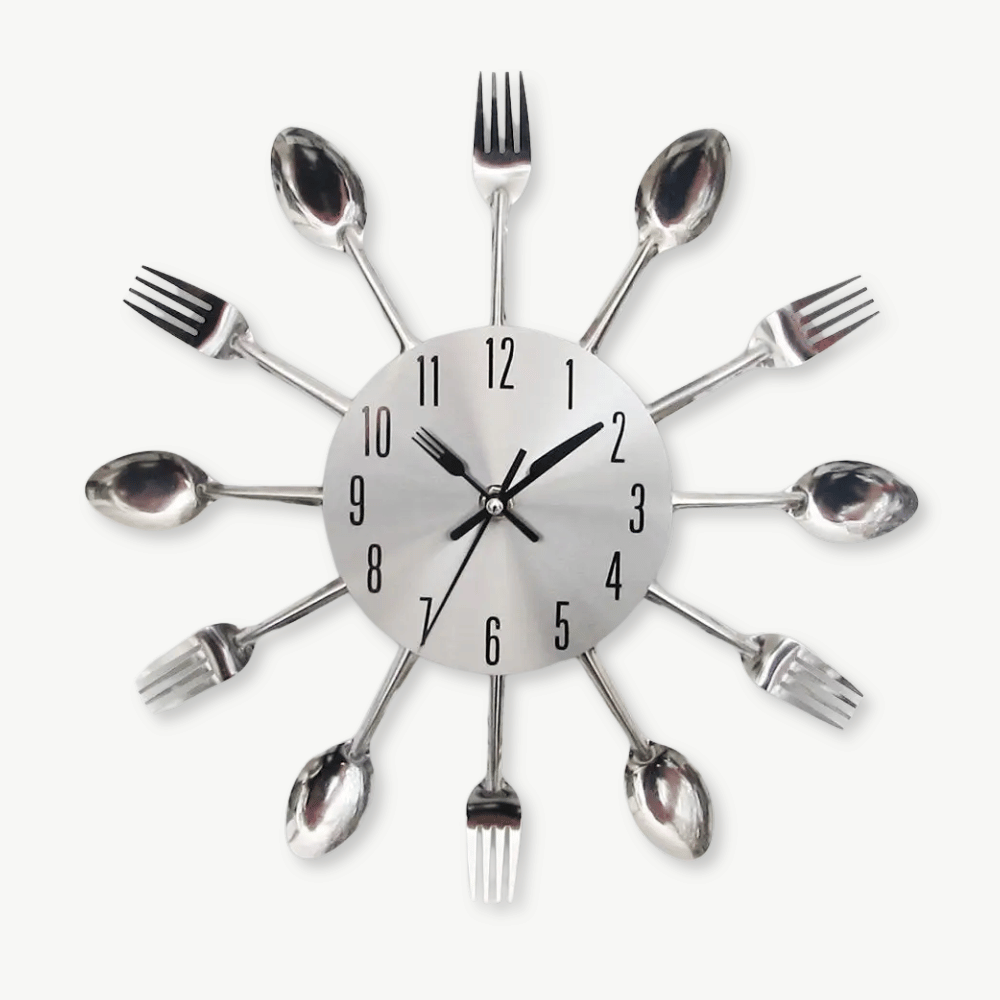
Now, let's talk about the glamorous side! A decorative clock can literally transform the atmosphere of a room. It's a central element that draws the eye and structures the visual space. But be careful, not all models are equal when it comes to wall decoration.
Honestly, I made a few mistakes at the beginning. My first purchase was a huge industrial clock in metal that completely overwhelmed my small living room. Lesson learned: size must be proportional to the space!
Materials that make a difference
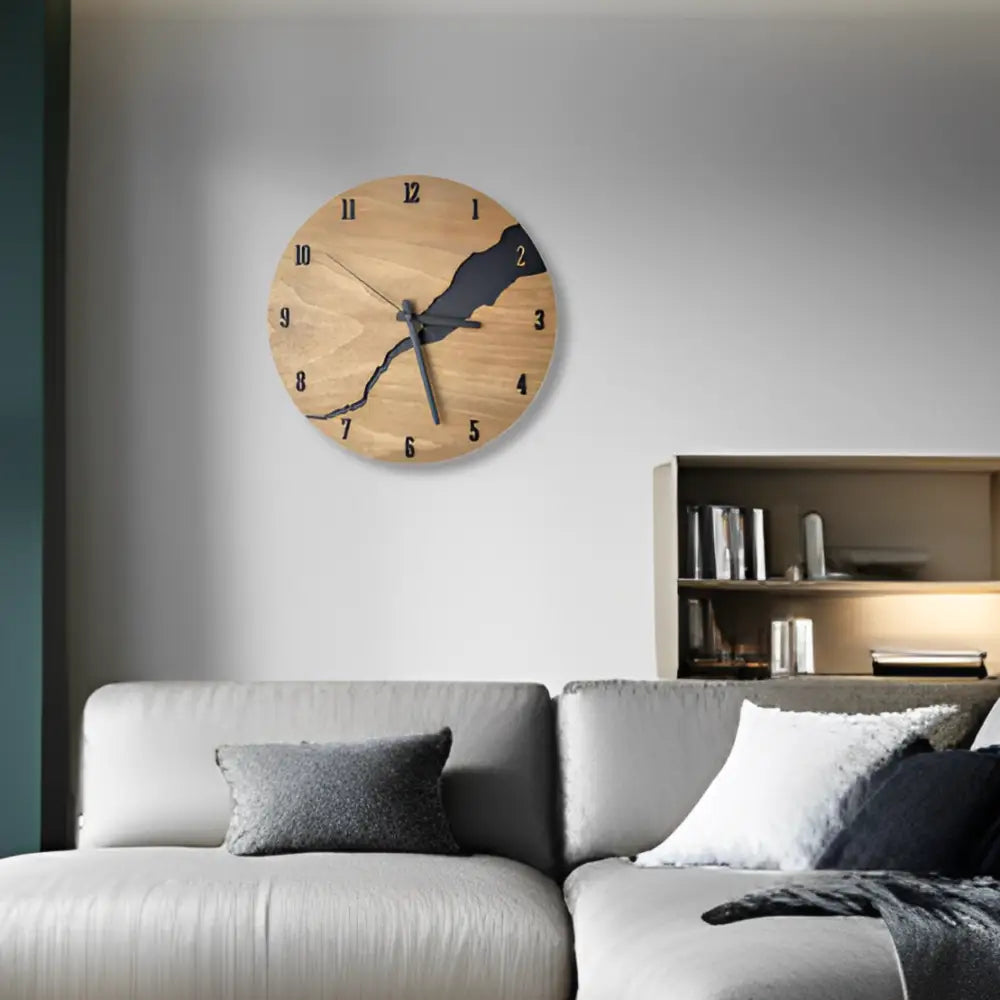
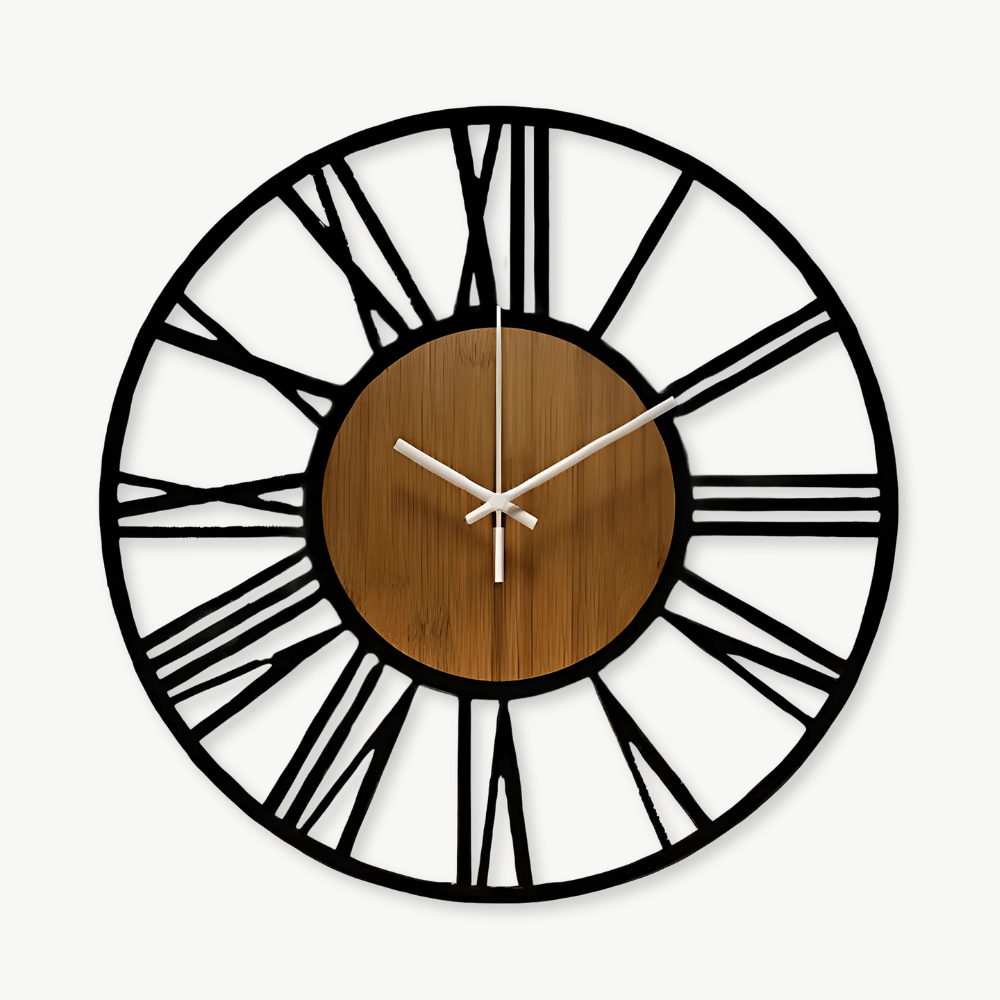
The choice of material drastically influences the decorative impact. Wood brings warmth and authenticity, perfect for a vintage style. Metal creates a modern and clean atmosphere. Glass offers a touch of sophistication and lightness.
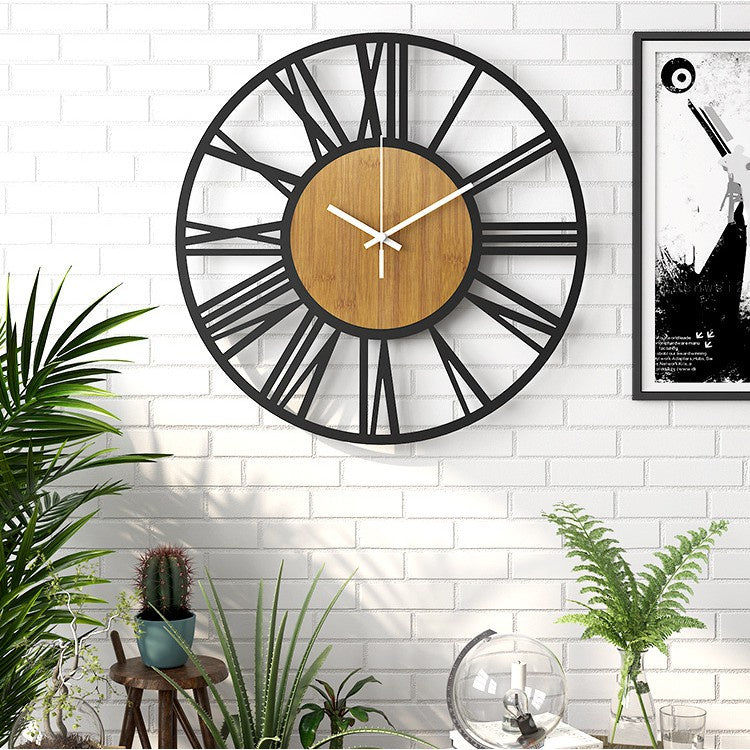
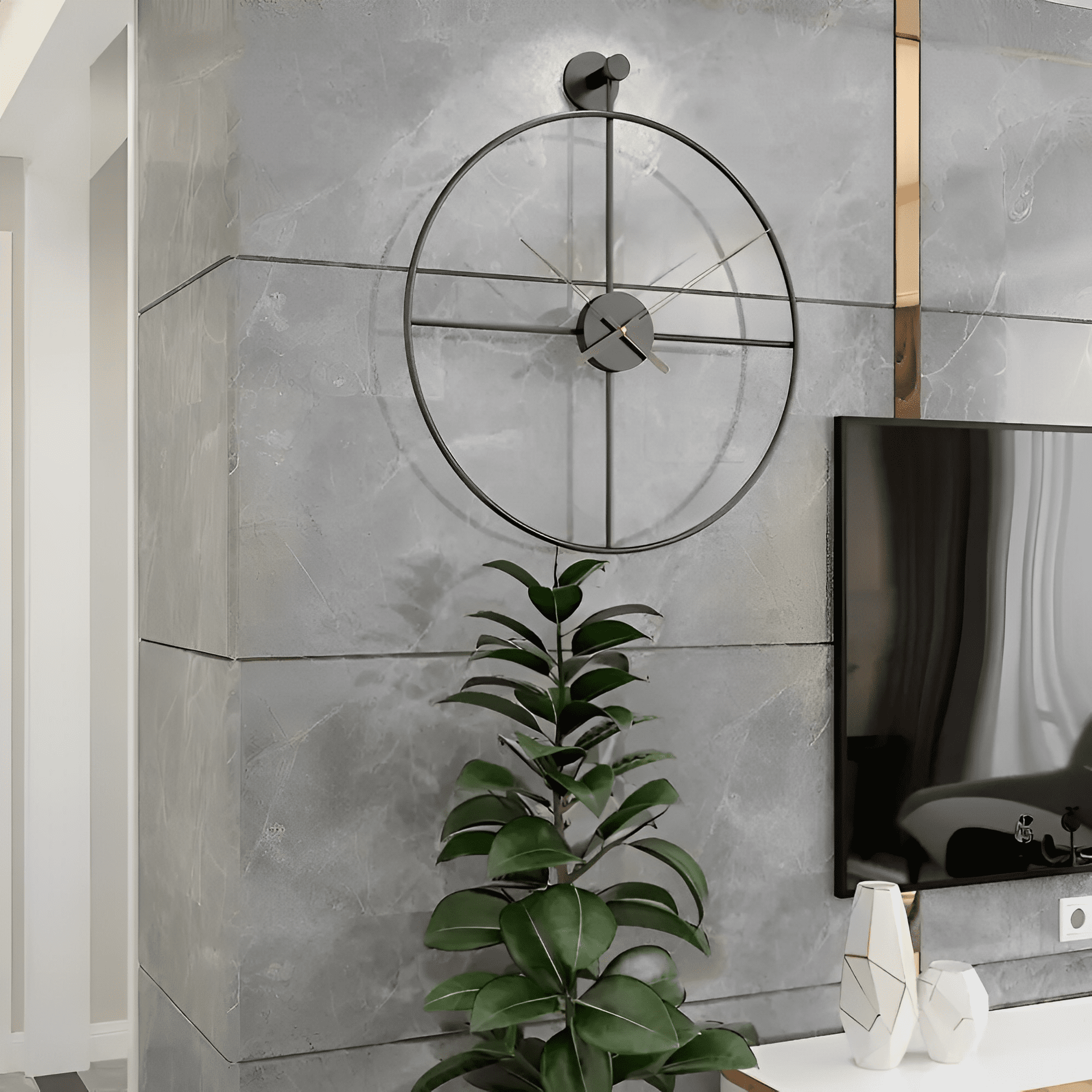
- Matte black metal: Ideal for a modern and minimalist interior
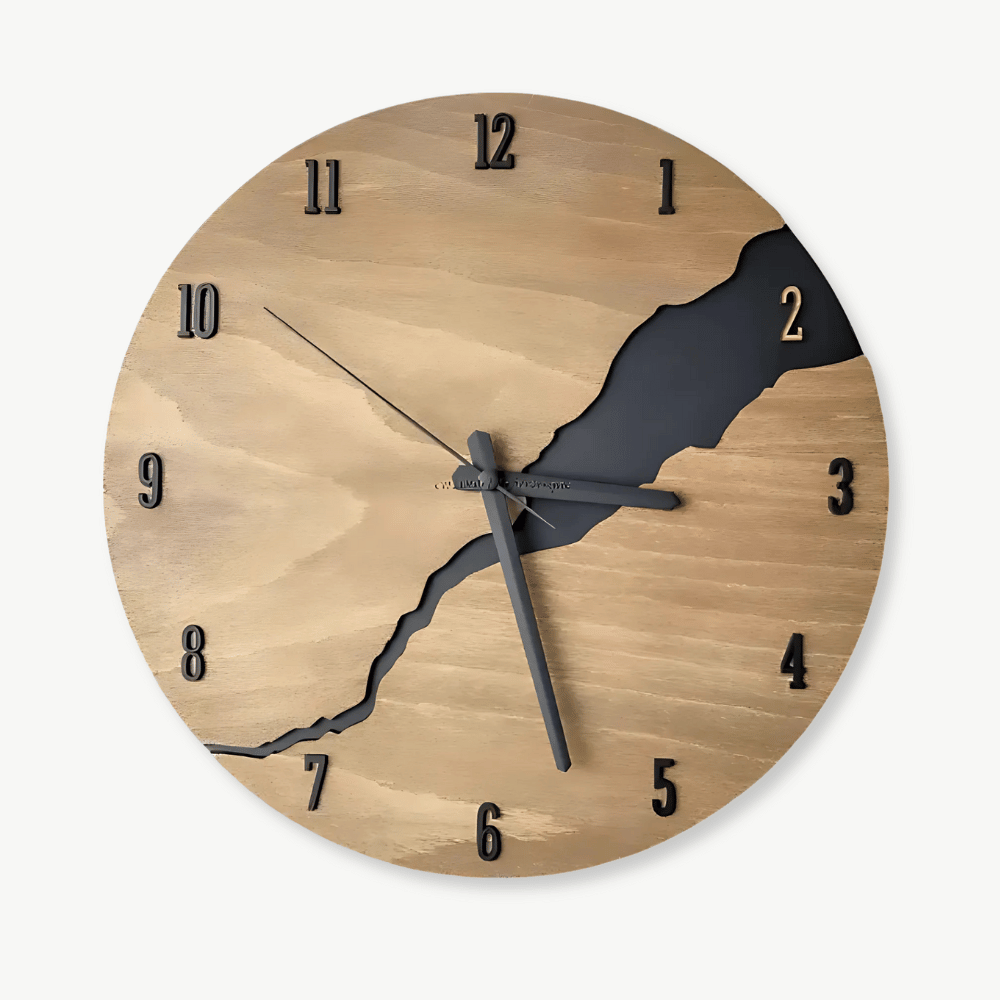
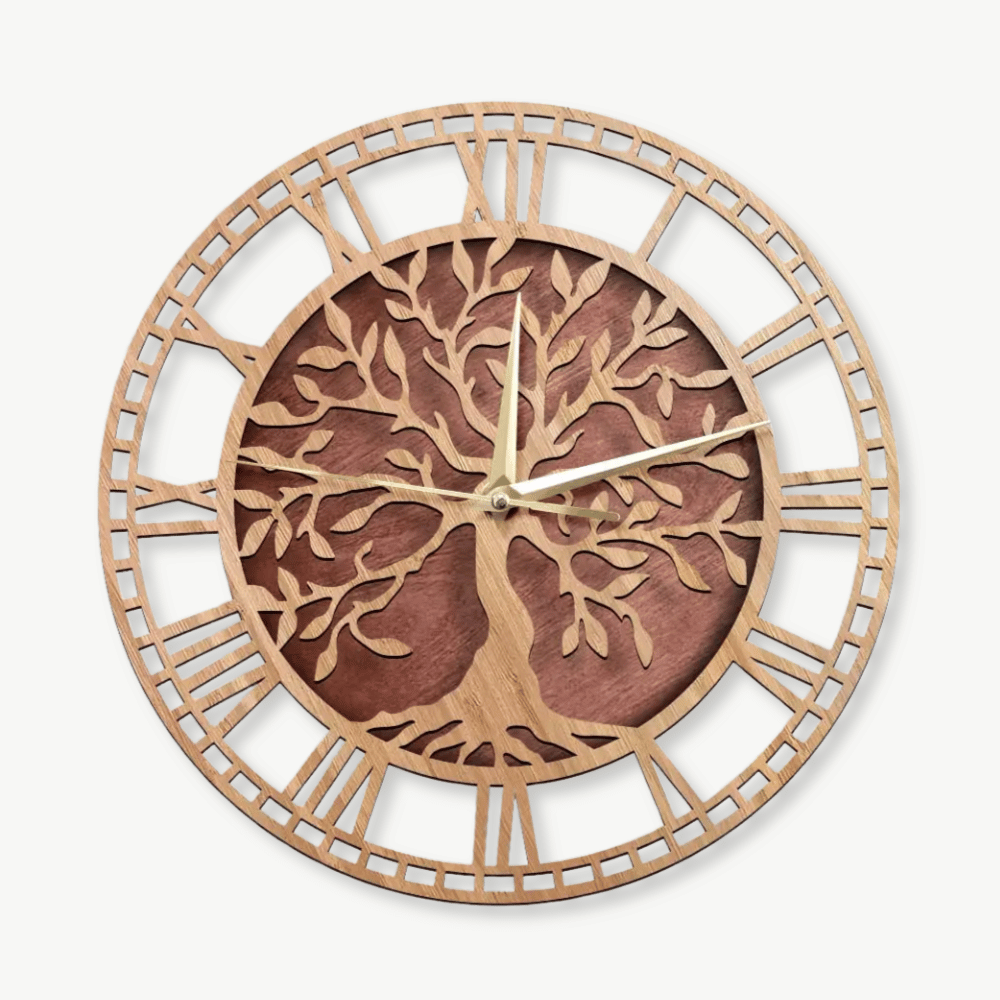
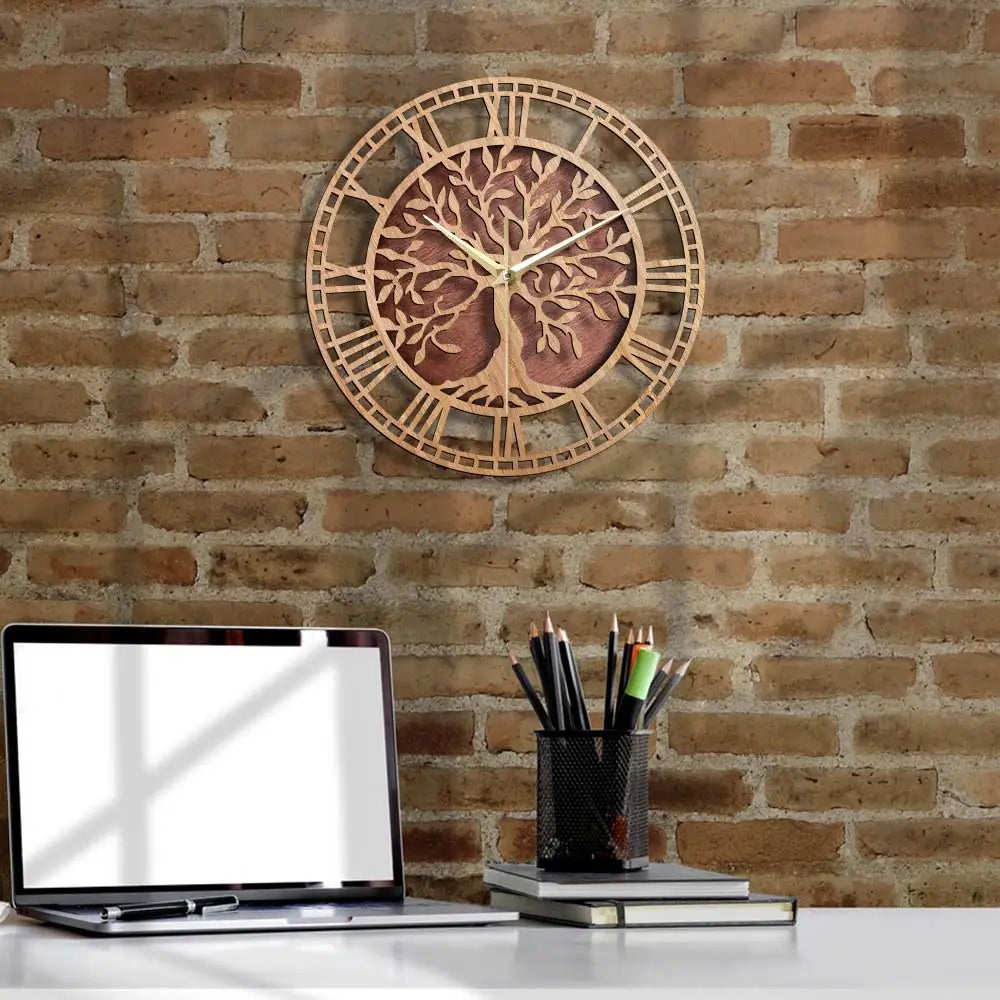
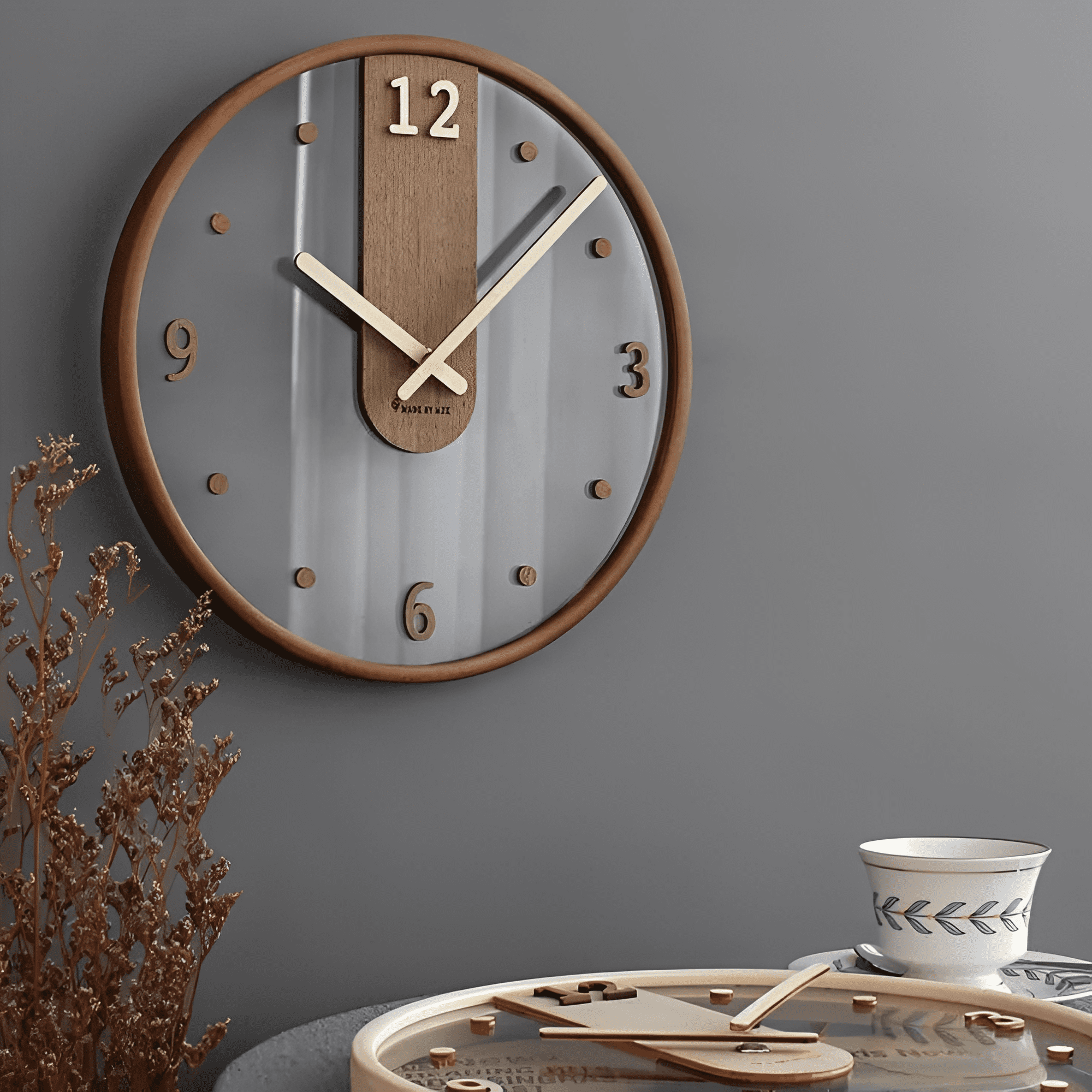
- Natural wood: Perfect for Scandinavian or rustic decor
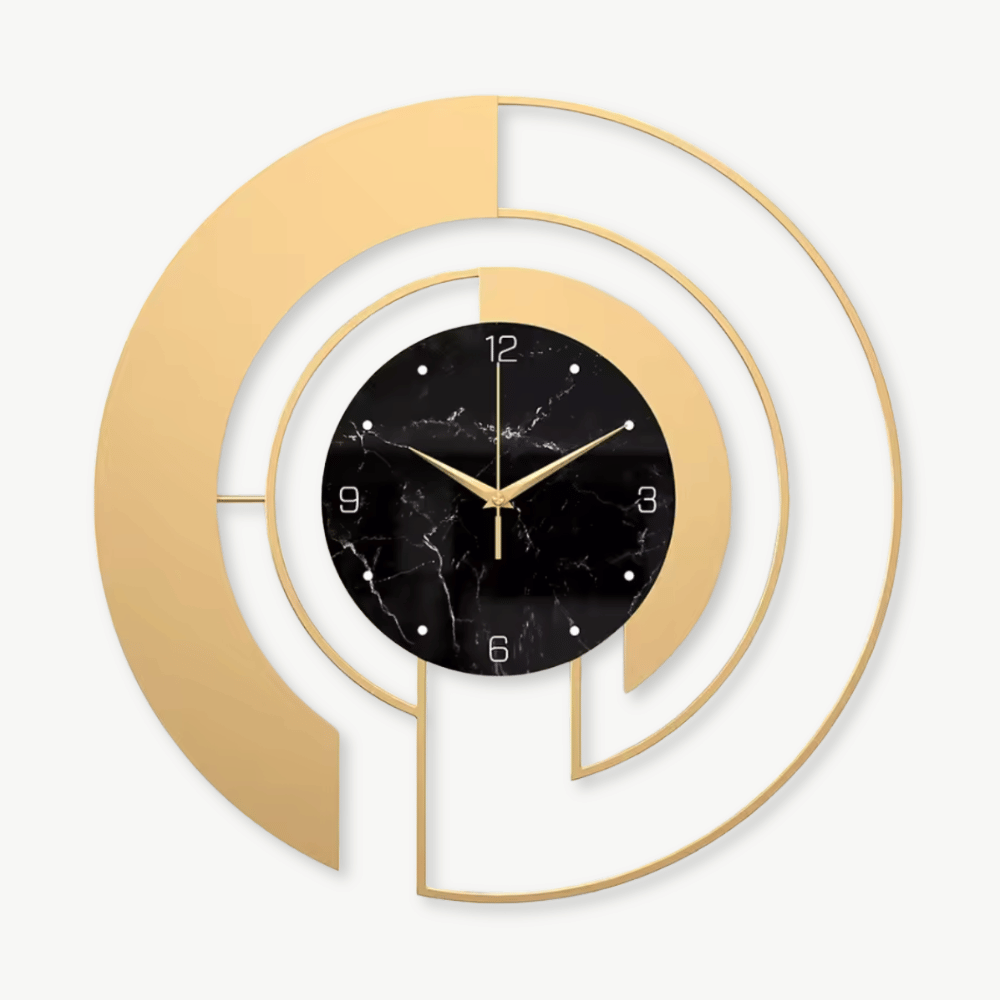
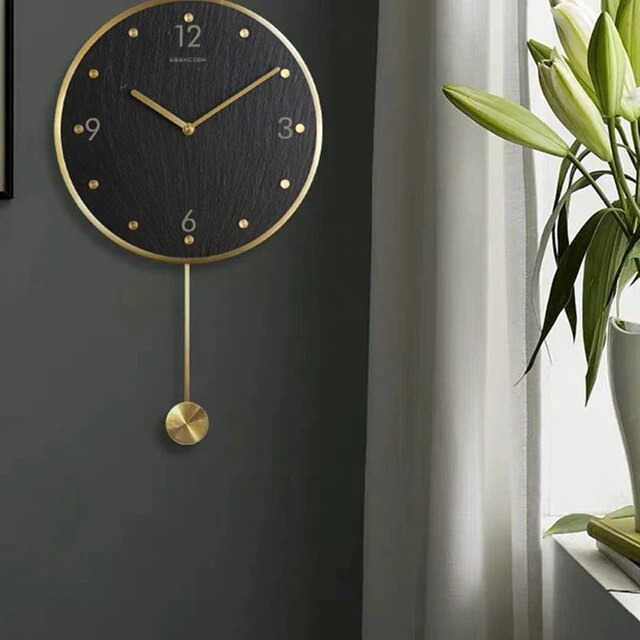
- Copper or brass: Adds a chic industrial touch
The art of creating a focal point
A well-chosen wall clock becomes the focal point of a room. It must harmonize with your furniture while bringing its own personality. It's a delicate balance between integration and assertion.
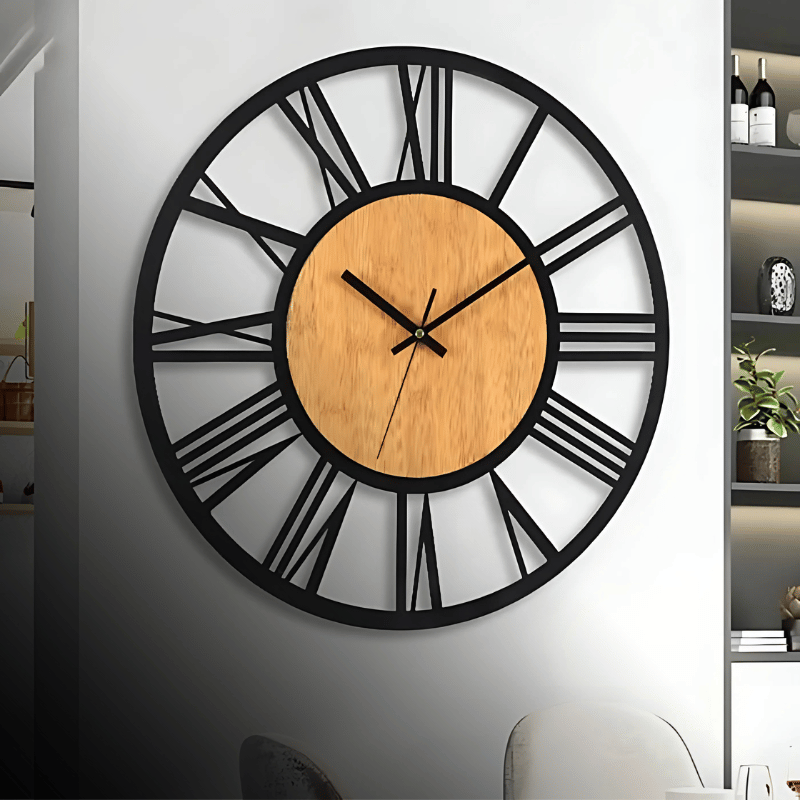
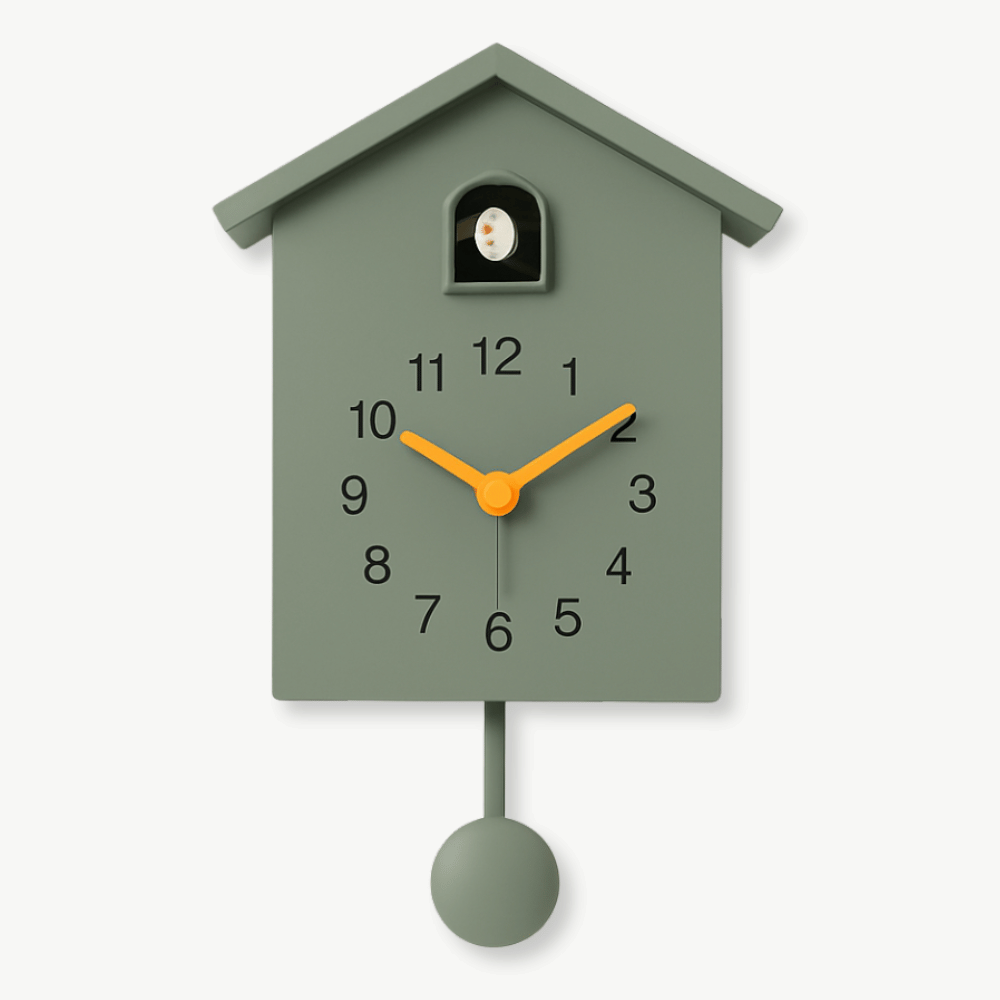
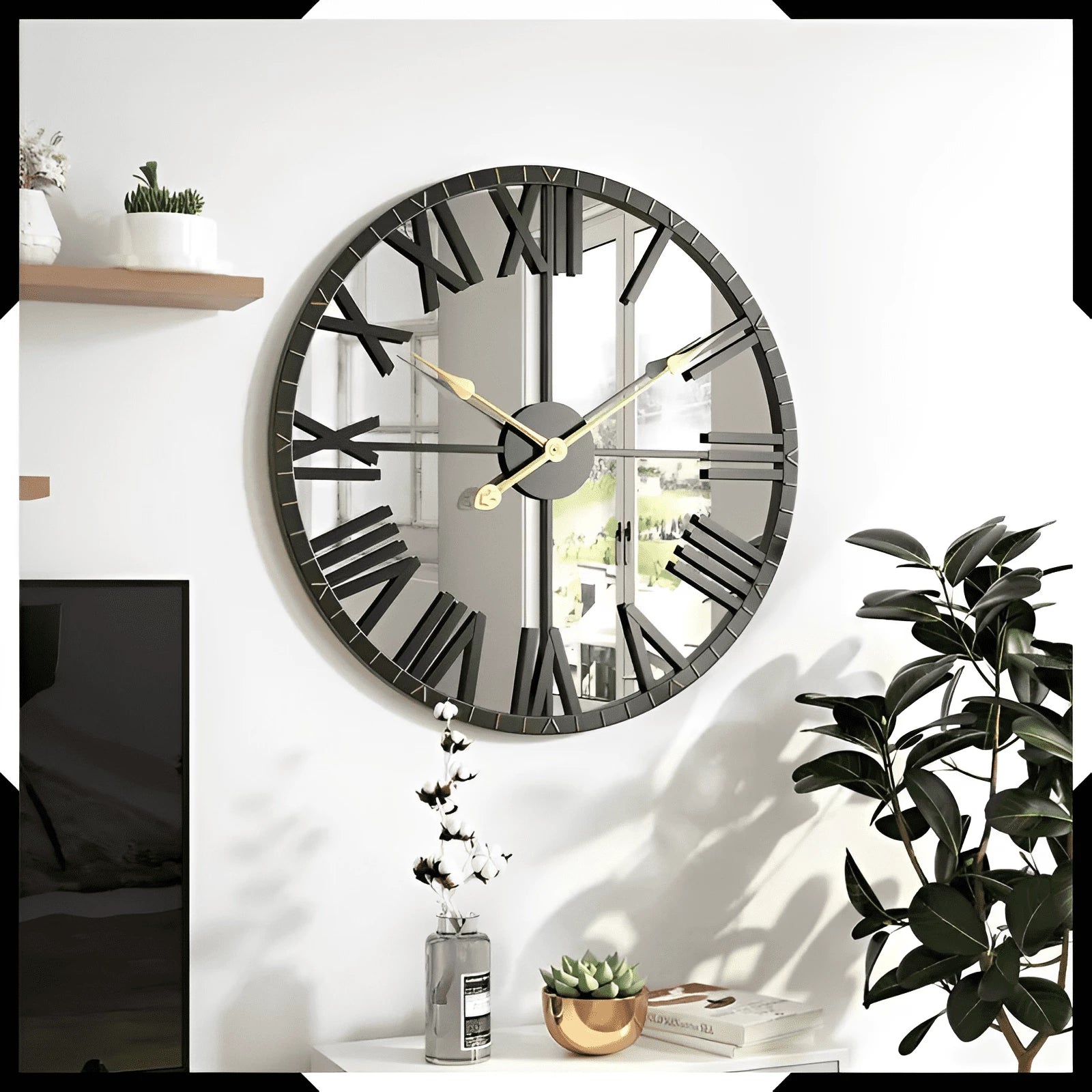
In my living room, I opted for a designer clock with golden Roman numerals on a black background. It perfectly dialogues with my golden cushions and structures the entire space. My guests always notice it!
The different styles of clocks: from vintage to modern design
The wall clock market is literally exploding with creativity. From vintage style to ultra-contemporary designs, there is definitely a model for your interior. Let me guide you through this stylistic jungle.
Vintage style: rediscovered authenticity
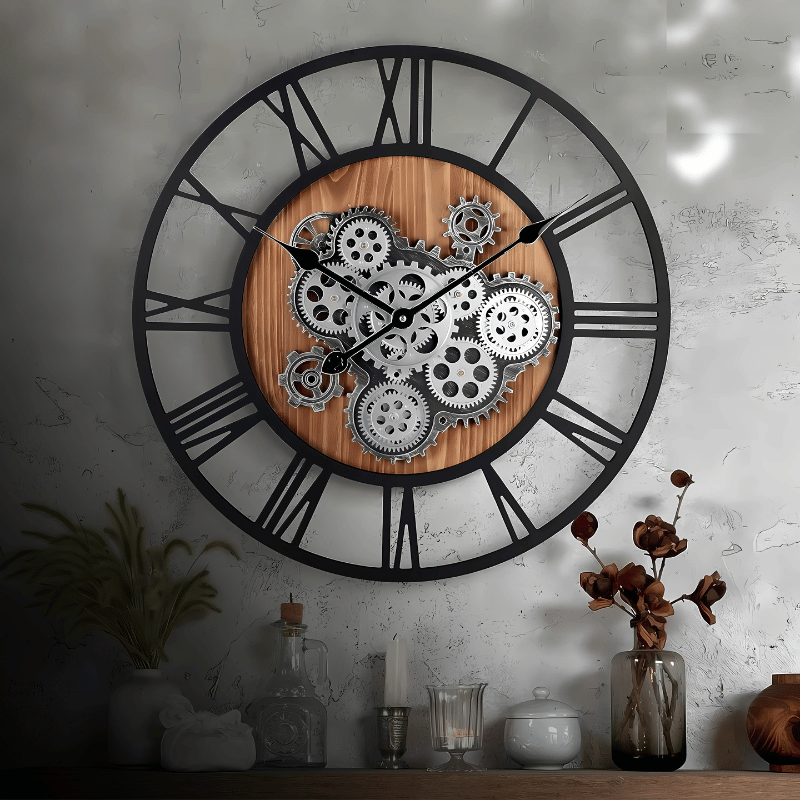
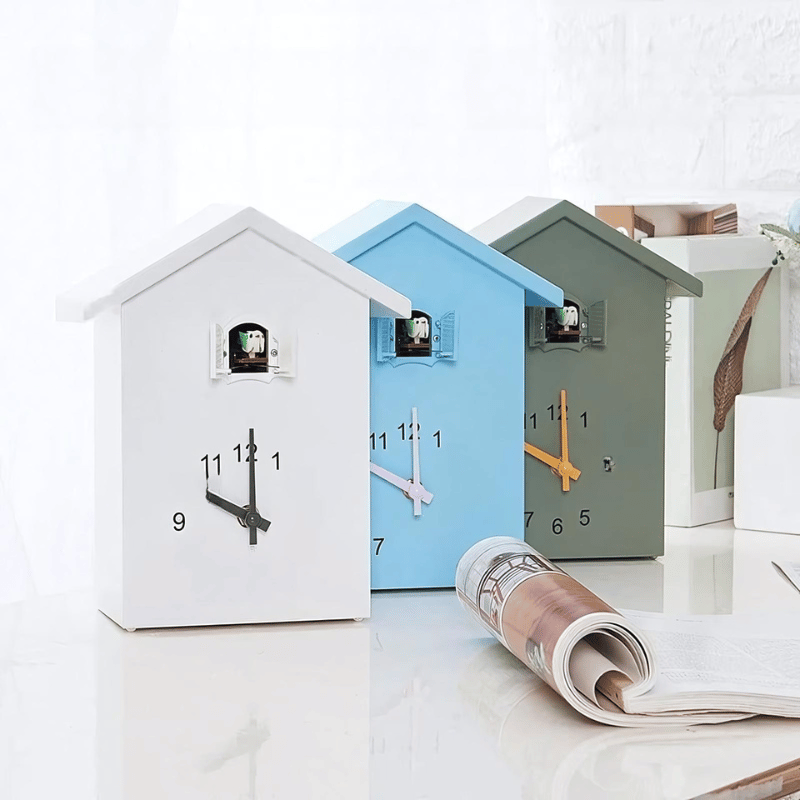
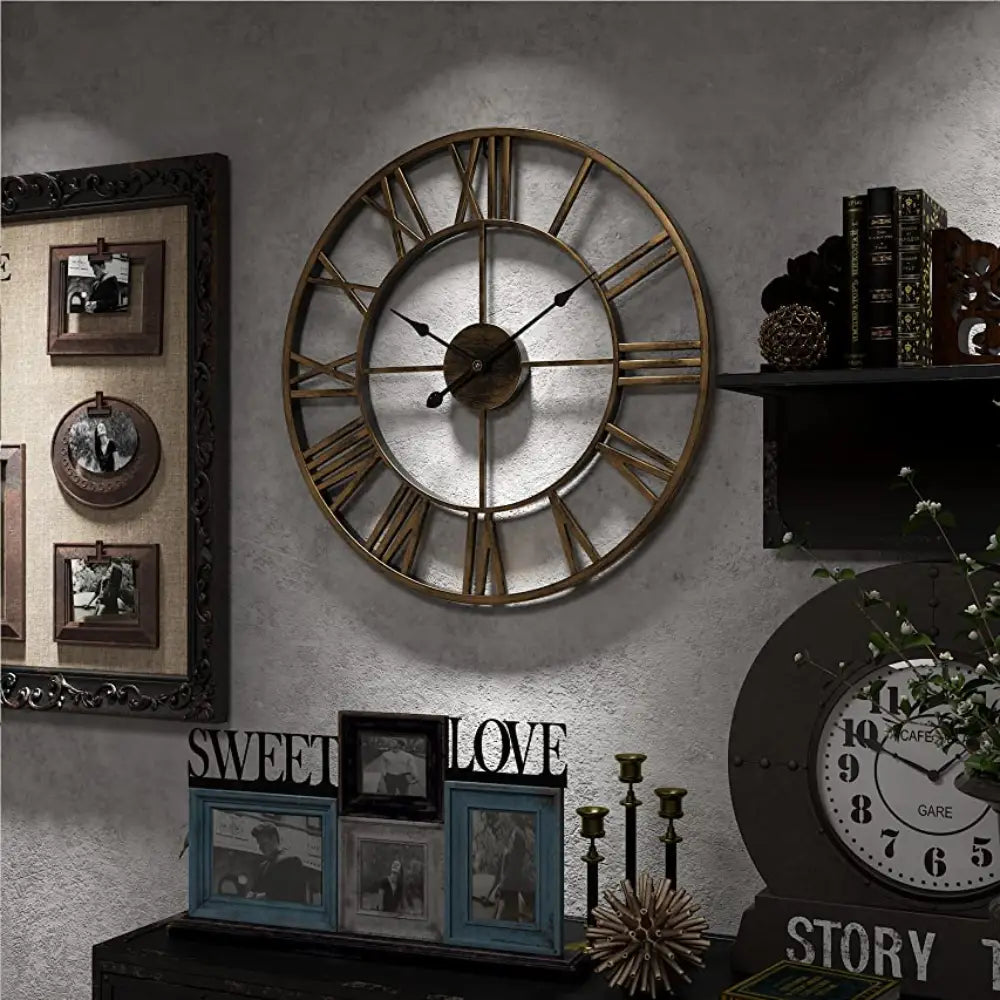
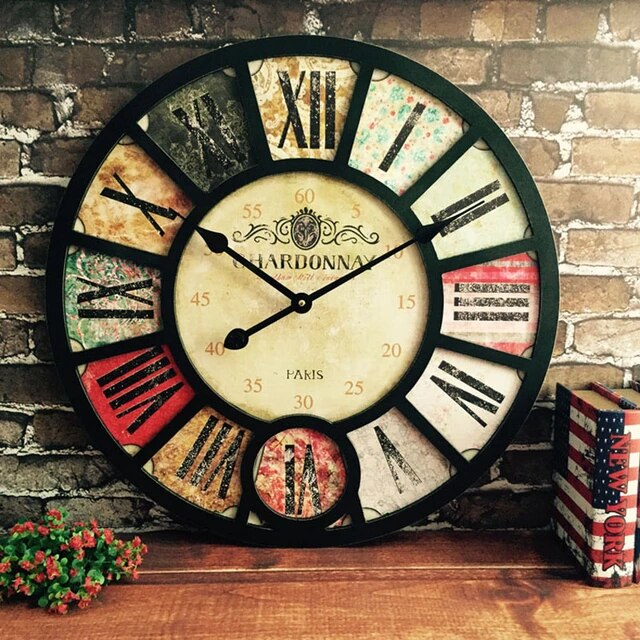
Vintage clocks charm with their authentic character. Patinated dials, retro numbers, mechanism visible... They tell a story. It's the perfect choice for a wall decoration that emphasizes nostalgia and the charm of yesteryear.
My grandmother had a station clock from the 50s. This aesthetic has always fascinated me! Today, modern reproductions offer that vintage charm with contemporary reliability.
Modern design: sleek and functional
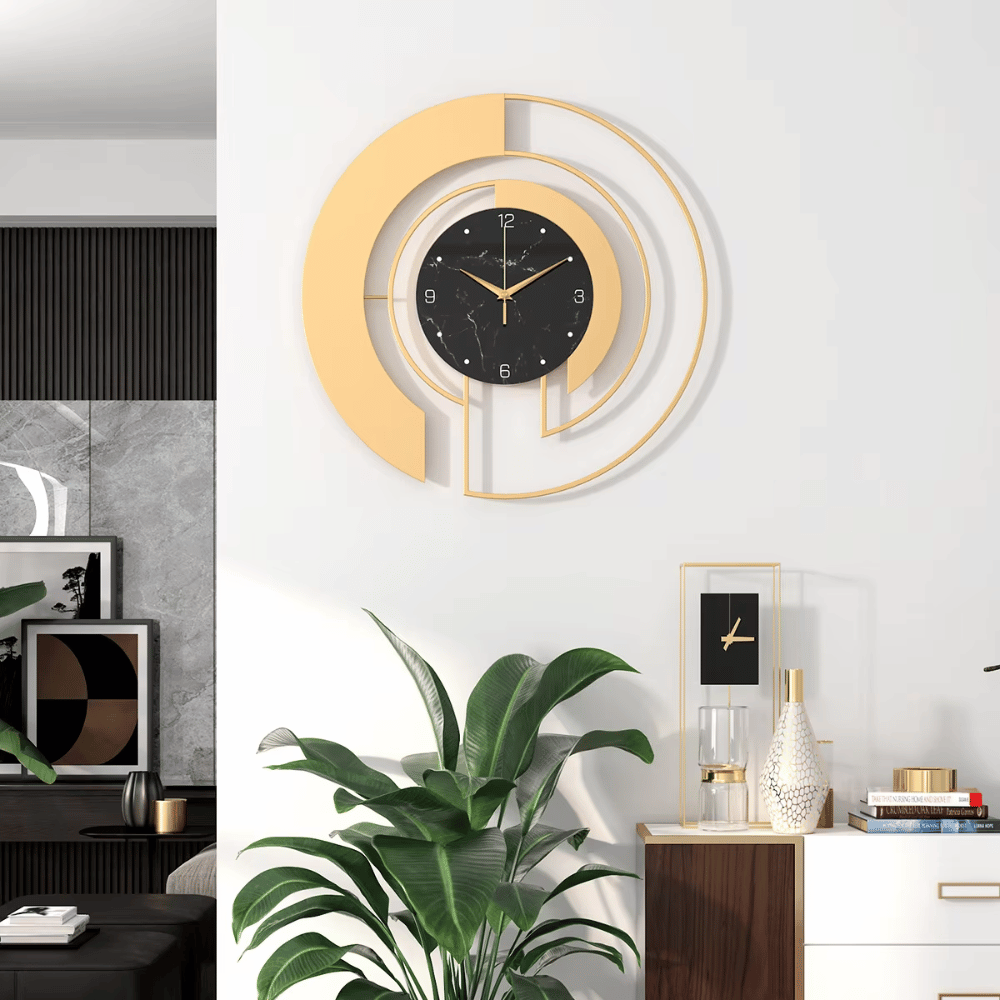
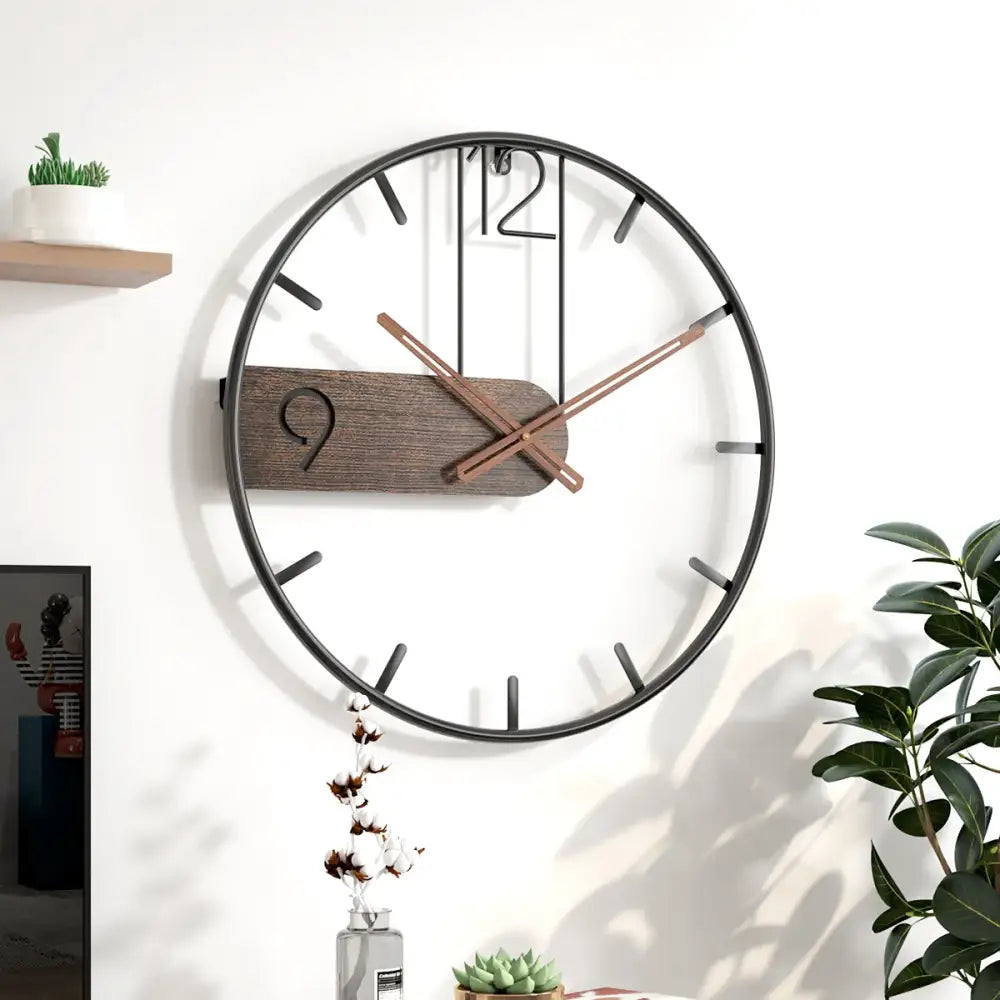
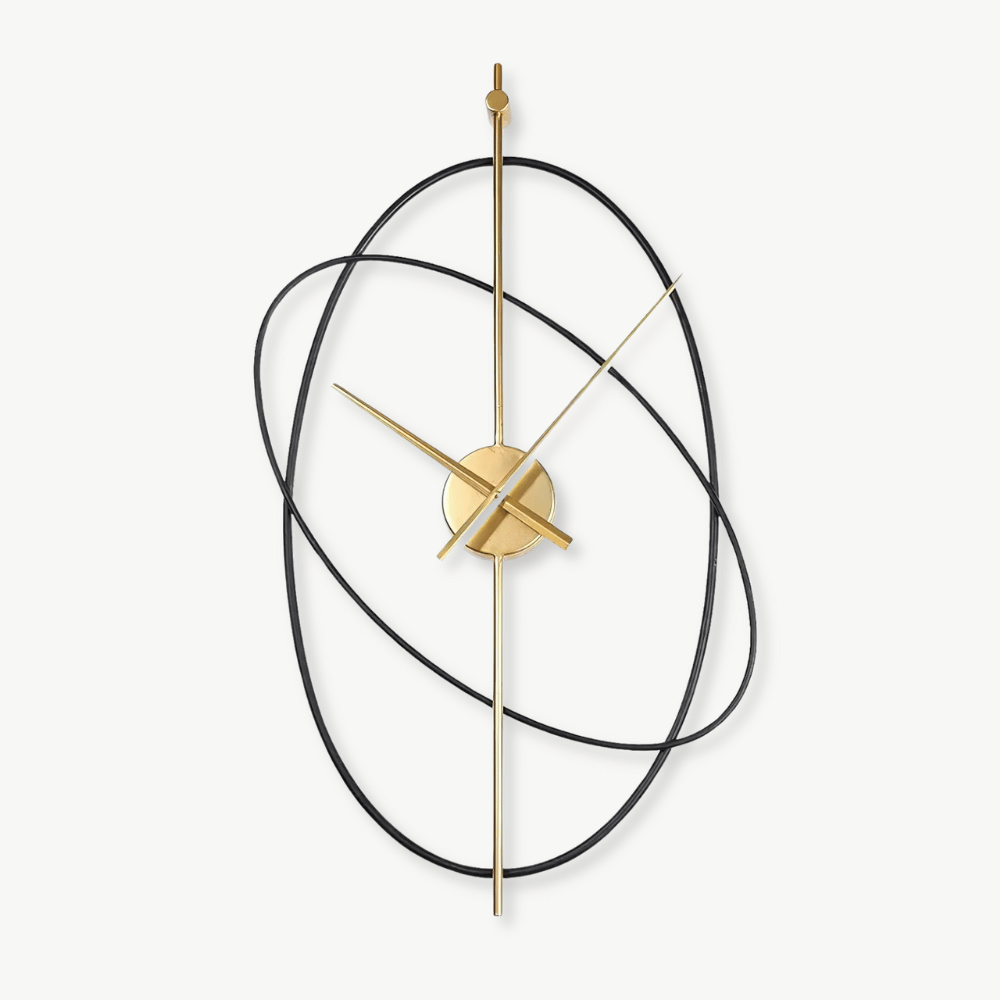
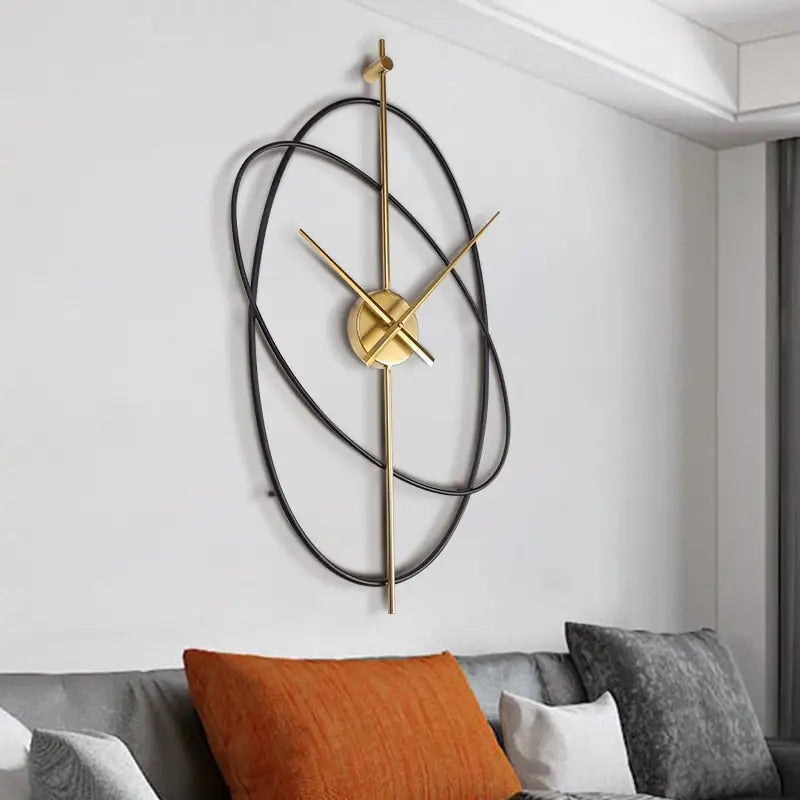
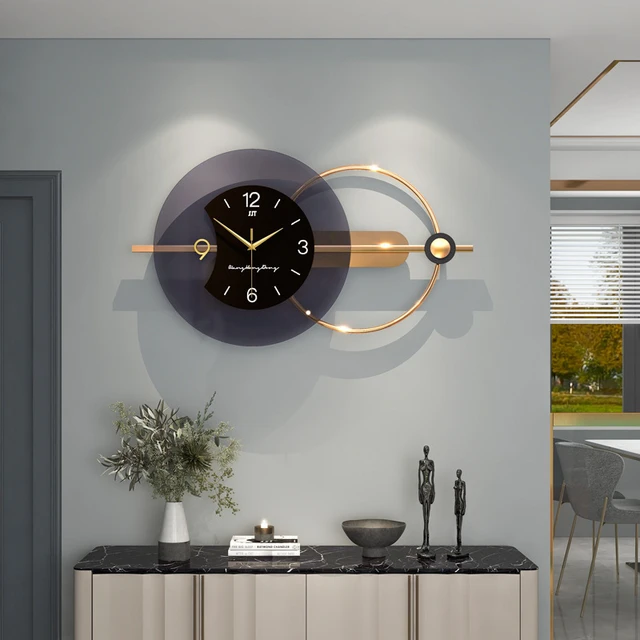
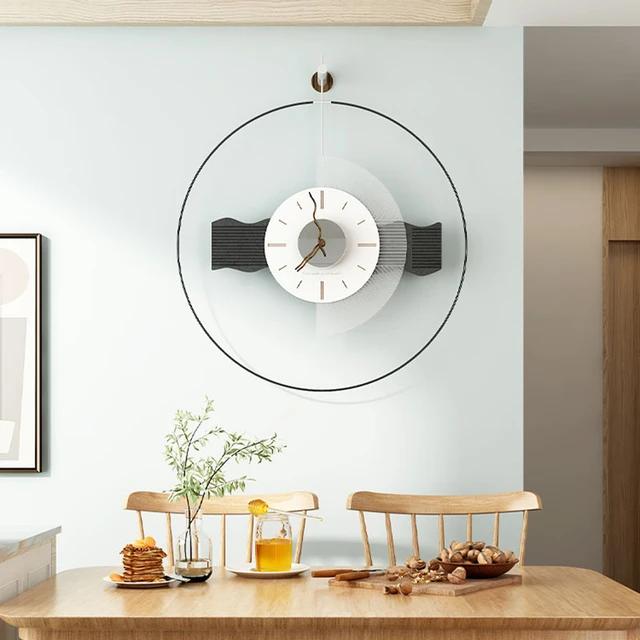
The contemporary design clock favors clean lines and noble materials. Gone are the traditional hands, welcome to minimalist creations where every detail matters. These models fit perfectly into a modern interior.
- Clocks without numbers: For lovers of absolute minimalism
- Geometric models: Hexagonal, triangular, asymmetrical shapes
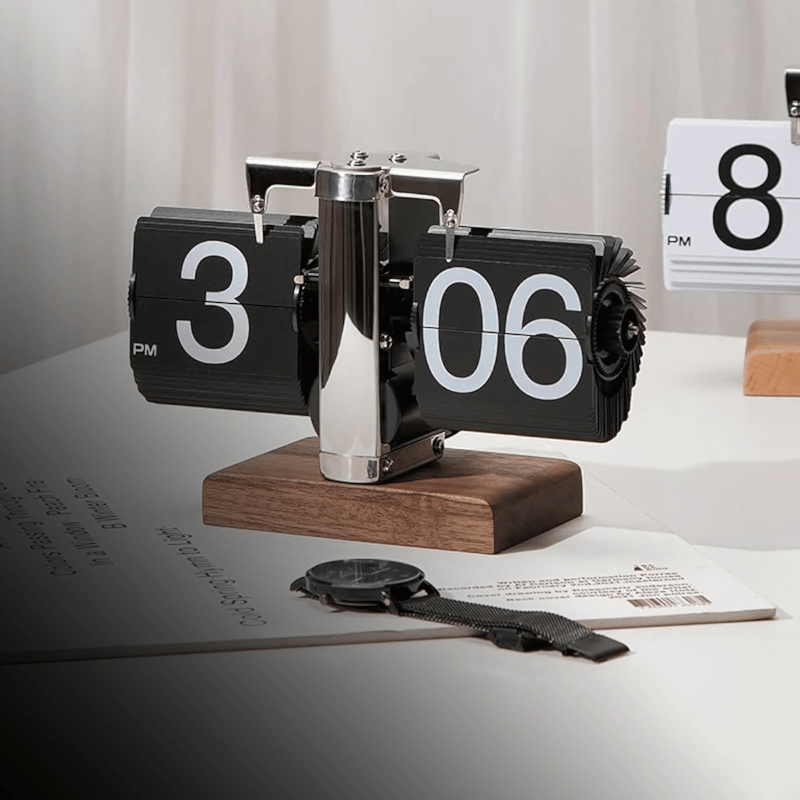
- Elegant digital versions: Discreet and modern LED display
The industrial: robustness and character
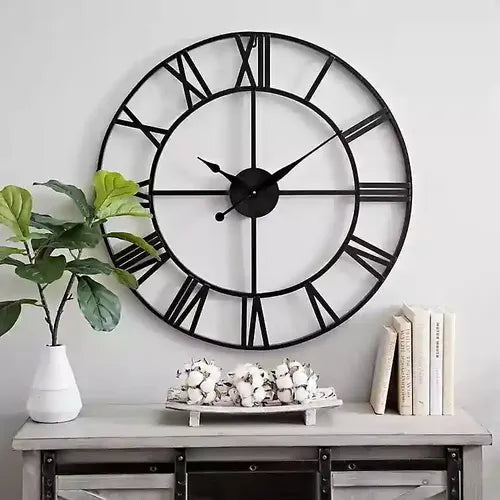
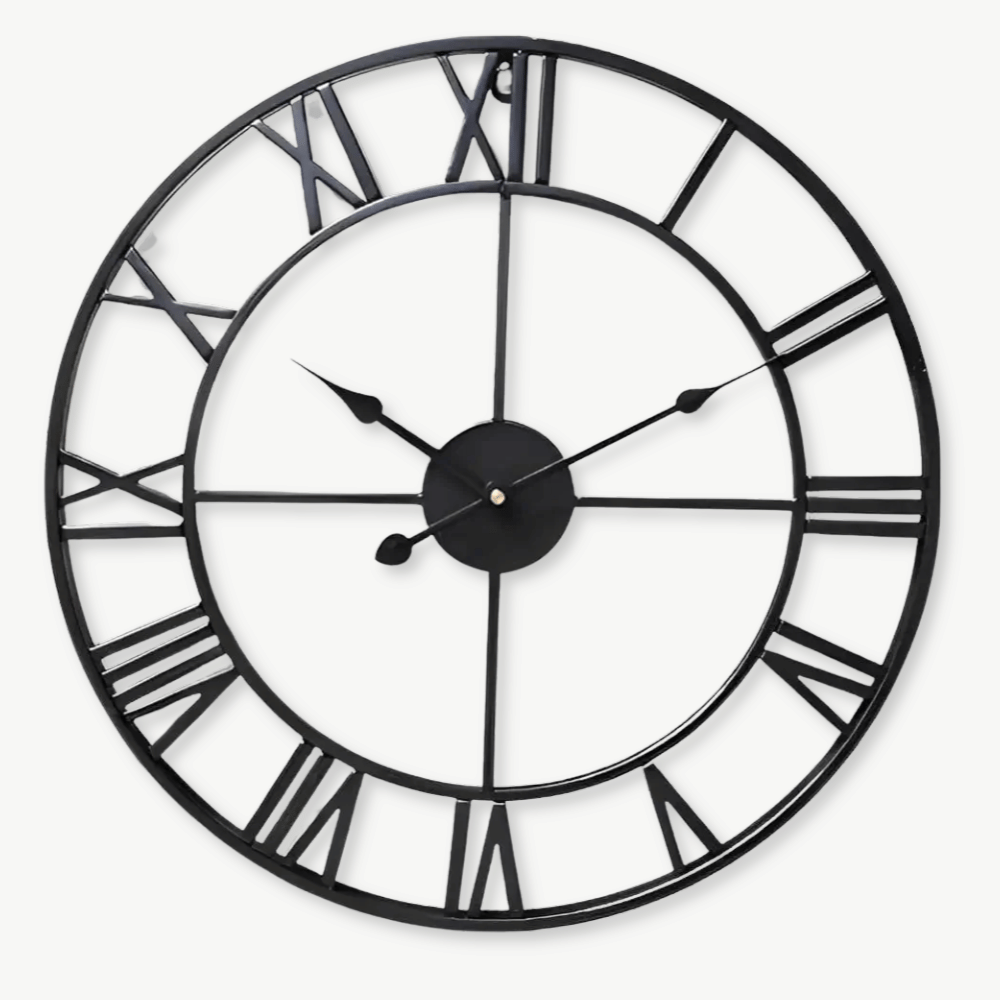
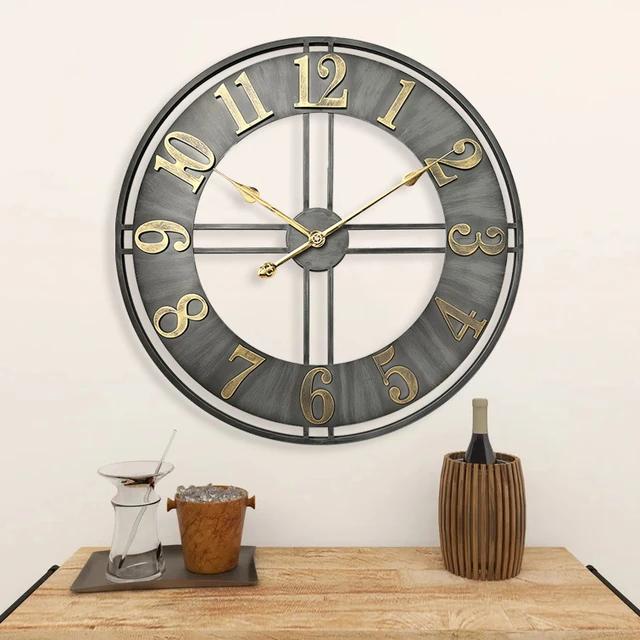
The industrial clock borrows its codes from factories and workshops of the past. Raw metal, visible rivets, stencil typography... It brings a masculine and authentic touch to your decor.
| Style | Typical materials | Created atmosphere | Average price |
|---|---|---|---|
| Vintage | Wood, patinated metal | Nostalgic, warm | 40-80€ |
| Modern | Glass, chrome metal | Sleek, sophisticated | 60-150€ |
| Industrial | Raw metal, cast iron | Robust, authentic | 50-120€ |
How to choose between utility and decoration according to your needs
So, useful or decorative? The real question is not to choose, but to find the perfect balance! After testing about ten different models, I can assure you that it is possible to combine functionality and aesthetics without compromise.
Analyze your real needs
First crucial step: define your priorities. Do you really need to know the time in this room? Or are you rather looking to fill an empty wall? This reflection will determine the ideal type of wall clock.
In my bedroom, I opted for a silent decorative clock with discreet numbers. Why? Because I don't want to be obsessed with the time while falling asleep, but I appreciate its visual impact on the decor.
The essential selection criteria
- Dial size: The larger it is, the more decorative (and visible) it will be
- Readability: Sufficient contrast between the hands and the background
- Noise level: Prefer a silent mechanism for bedrooms
- Architectural style: Harmonization with your existing decor
Honestly, who would have thought that choosing a simple clock required so much thought? But it's exactly this attention to detail that makes the difference between a successful purchase and a regret.
The perfect compromise: functionality AND beauty
The good news? Manufacturers have understood this: we want the butter and the money for the butter! Modern designer clocks perfectly integrate function and form. No more dilemma, welcome to the best of both worlds.
My friendly advice? Invest in a wall clock of quality that you find aesthetically pleasing AND that remains perfectly readable. Your future self will thank you for this balanced choice.
Placement and harmonization: the secrets of successful integration
Having the most beautiful wall clock in the world is useless if it's poorly placed! The location and integration into your wall decor are crucial for a successful decor project. Let me share my tried-and-true tips from the field.
The golden rules of placement
First rule: height. Your decorative clock should be placed at eye level, about 1.5m-1.6m from the floor. Too high, it becomes unreadable. Too low, it loses its visual impact. I made this mistake in my kitchen by placing it too close to the countertop!
Second rule: visibility. Avoid locations where furniture or objects partially obscure the dial. A half-hidden clock loses its primary function.
The art of decorative harmonization
Your wall clock should interact with the other elements in the room. Colors, materials, styles... Everything matters! In my living room, I created a cohesive set by pairing my copper clock with framed photographs in the same metal.
- Material repetition: Incorporate the metal or wood of the clock elsewhere
- Color echo: Create subtle color reminders
- Respect for proportions: A large clock needs space to breathe
Avoid common mistakes
Beware of classic pitfalls! Never place a wall clock facing a window: reflections will make it hard to read. Also avoid overly busy walls where it would get lost in decorative clutter.
Honestly, it took me a while to understand these subtleties. But once mastered, they completely transform the impact of your designer clock!
Frequently asked questions
Should a wall clock be silent?
It depends on the room! For bedrooms and offices, absolutely prioritize a silent mechanism. The constant ticking can become very annoying. In living spaces like the living room, it's less critical, but silence remains more comfortable on a daily basis.
What size clock should I choose for my living room?
The general rule: for a wall of 3-4 meters, opt for a wall clock with a diameter of 30-40 cm. If it's too small, it will go unnoticed. If it's too large, it will dominate the room. Measure your wall and aim for about 1/5 of its width.
How to maintain a decorative clock?
Maintenance is minimal! Dust regularly with a soft cloth, change the battery annually, and check the time from time to time. For metal models, a specific product can revive the shine. Wood clocks appreciate an occasional wax touch.
Can you mix several clocks in the same room?
It's risky but possible! The trick? Vary the sizes and styles while maintaining consistency (same material or same color). In a large open room, 2-3 different designer clocks can create an original decor effect. But be careful not to fall into overload!
Do smart clocks replace traditional models?
Not necessarily! Smart clocks offer more features (weather, notifications...) but lose in simplicity and aesthetics. For pure wall decoration, traditional models remain unbeatable. It all depends on your priorities: high-tech or timeless charm?
So, is your next wall clock useful or decorative? I hope to have convinced you that it can be both! The important thing is to choose a model that reflects you and fits harmoniously into your interior. Whether it is vintage, modern, or industrial, your future wall clock will quickly become an essential element of your decor. And above all, it will tell you the time in style!